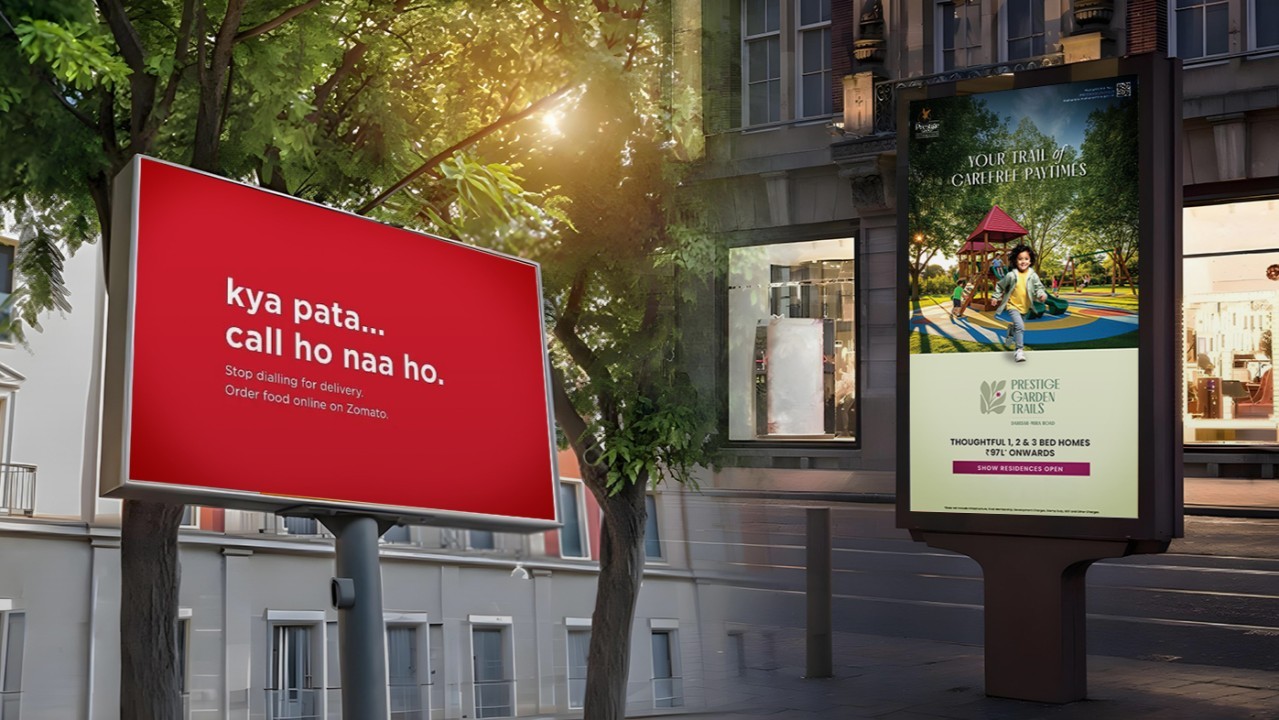
How to Choose Between DOOH and Static Billboard Advertising
The landscape of Out-of-Home (OOH) advertising has undergone a massive transformation. Walk through any major city center today, and you’ll see a vibrant mix of traditional vinyl billboards and high-definition digital screens. For brands looking to make an impact, the question is no longer just “Should we be outdoors?” but rather “Which format will deliver the highest return on investment?“
Choosing between Digital Out-of-Home (DOOH) and Static Billboards is not a matter of which is “better” in a vacuum; it’s about which tool is right for your specific campaign objectives. Here is a deep dive into how to make that choice.
The Digital Revolution: Why DOOH is Trending
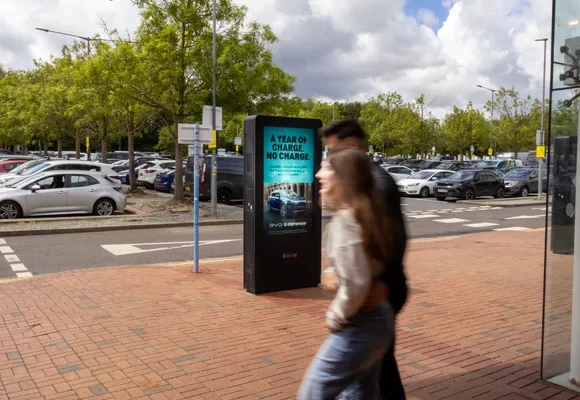
Digital Out-of-Home (DOOH) has revolutionized the industry by bringing the flexibility of online advertising to the physical world. By 2026, programmatic DOOH has become a staple for brands that demand agility.
1. Dynamic Creative and Engagement The most obvious advantage of DOOH is motion. Human eyes are naturally drawn to movement. Digital screens allow for video, 3D anamorphic effects, and rotating transitions. This leads to significantly higher recall rates—often cited around 83%—compared to static images.
2. Real-Time Flexibility and Data-Triggering With DOOH, you aren’t locked into a single image for months. You can change your creative in an instant. Modern DOOH is often “contextually aware,” meaning ads can change based on:
-
Weather: A beverage brand showing hot coffee ads when it rains and iced tea when it’s sunny.
-
Time of Day (Dayparting): A gym targeting commuters with “Morning Motivation” ads at 7 AM and “De-stress After Work” ads at 6 PM.
-
Live Feeds: Displaying live sports scores, social media shoutouts, or countdowns to a product launch.
3. Lower Production Costs and Lead Times There are no printing, shipping, or installation fees for DOOH. You simply upload a digital file. This makes it ideal for short-term campaigns or brands that need to pivot their messaging quickly.
The Power of Presence: Why Static Still Dominates
Despite the digital surge, static billboards remain a powerhouse in the advertising world. Sometimes, the “old school” way is actually the more strategic choice.
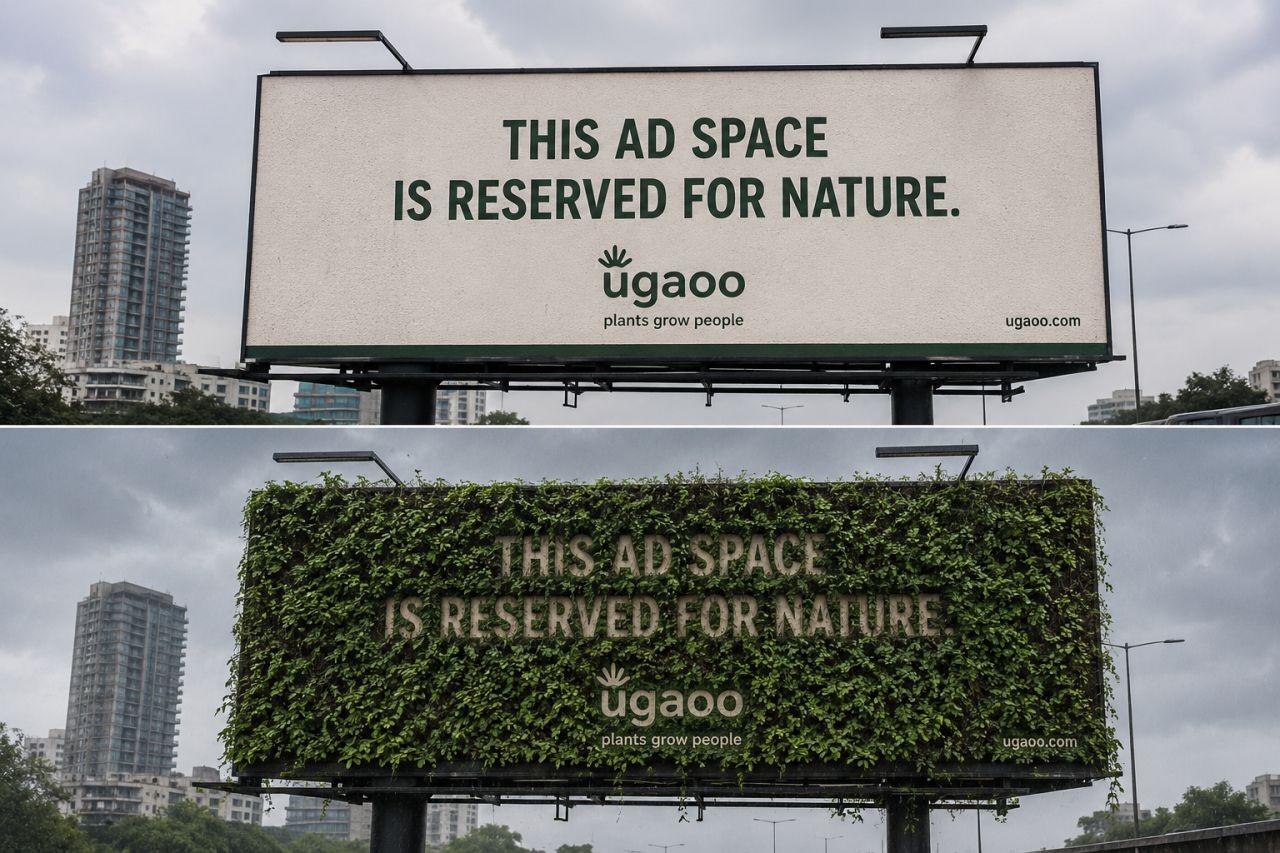
1. 100% Share of Voice (SOV) This is the single biggest advantage of static. On a digital screen, you usually share a “loop” with 5 to 8 other advertisers. Your ad might only be visible for 10 seconds every minute. A static billboard belongs to you 24/7. Your message never blinks, never rotates, and never disappears.
2. The “Landmark” Effect Static billboards build incredible long-term brand equity. When a commuter sees the same giant, high-quality image in the same location every day for six months, that brand becomes a “landmark” in their mind. This “always-on” presence is vital for industries like real estate, healthcare, and insurance, where trust and familiarity are the primary drivers of sales.
3. Cost-Effectiveness for Long-Term Plays While the initial cost of printing and installing a vinyl “skin” is an extra expense, the monthly rental rate for static boards is often lower than the premium rates charged for high-traffic digital spots. For a 6-month or 12-month brand awareness campaign, static is almost always the more economical choice.
4 Key Questions to Guide Your Choice
To help you decide, ask yourself these four questions:
1. What is the Goal of the Campaign?
-
Brand Awareness / Longevity: If you want people to know who you are and where you are over a long period, Static is your best bet.
-
Direct Response / Action: If you are promoting a weekend sale, a new movie release, or a limited-time offer, DOOH provides the necessary urgency and flexibility.
2. How Complex is Your Message?
-
Simple & Iconic: Static boards work best with a “less is more” approach—one powerful image, a logo, and seven words or less.
-
Storytelling & Variety: If you need to show multiple features of a product or tell a short visual story, DOOH gives you the “canvas” of time and motion to do so.
3. What is Your Budget Structure?
-
High Production, Low Monthly: If you have the budget for a one-time printing fee and want a lower monthly “rent,” choose Static.
-
Zero Production, High Flexibility: If you’d rather put every penny into “media airtime” and want to avoid physical installation costs, go with DOOH.
4. How Critical is Timing?
-
Fixed: If your message is evergreen (e.g., “The Best Pizza in Town”), Static works perfectly.
-
Variable: If your message depends on the day of the week or external factors, DOOH is a non-negotiable.
Feature DOOH (Digital) Static Billboard Flexibility Instant updates via software Requires printing & manual labor Engagement High (Motion & Video) Moderate (Fixed Visuals) Visibility Shares screen with others 24/7 exclusive ownership Best For Short-term promos, launches Long-term brand awareness Production Cost Low (Digital file) High (Vinyl printing + Install) Recall Rate ~83% ~65%
The Hybrid Strategy: The Best of Both Worlds
In 2026, the most sophisticated marketers are no longer choosing one over the other; they are using a hybrid OOH strategy.
They might secure a massive, “spectacular” static billboard on a major highway for year-round brand presence and then supplement that with a network of DOOH screens in malls or transit hubs to run tactical, time-sensitive promotions.
Conclusion
Both DOOH and Static billboards have a vital place in the marketing mix. DOOH is the scalpel—precise, adaptable, and sharp. Static is the foundation—strong, permanent, and unmissable. By aligning your choice with your campaign’s specific goals, budget, and desired longevity, you ensure that your message doesn’t just sit in the “outdoors”—it actually reaches the people moving through it.