40% of Cannes Lions 2026 Entries Used AI: What That Really Means for Creative Marketing
If you needed one stat to sum up where advertising is headed in 2026, here it is: 40% of all entries submitted to the Cannes Lions International Festival of Creativity this year disclosed using AI somewhere in the creative process. That’s double the 20% recorded in 2025, and nearly four times the 11% reported just two years ago.
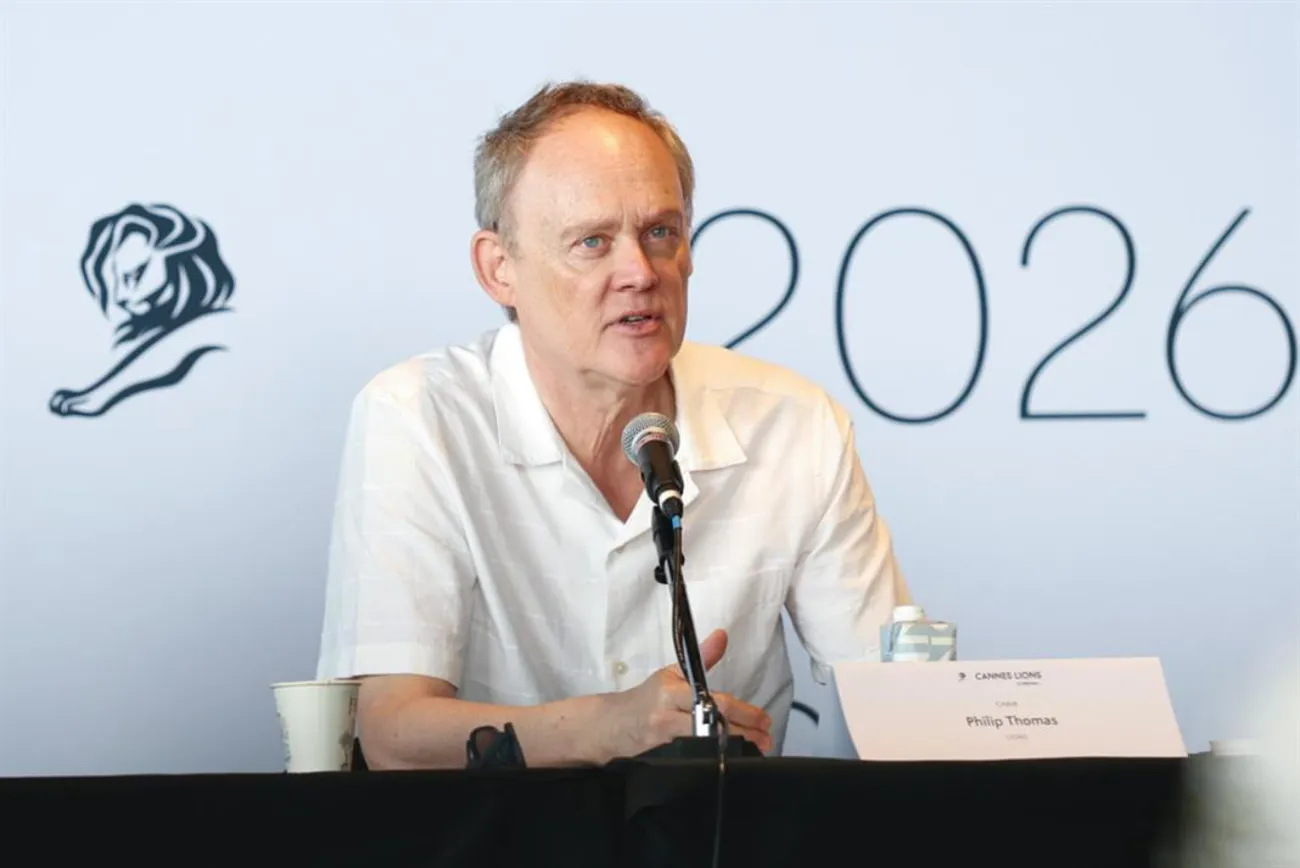
The number came straight from the top. Phil Thomas, Executive Chairman of Informa Festivals and Chairman of Cannes Lions, shared the figure during press conferences at this year’s festival, where more than 300 jurors from 92 countries worked through over 20,000 award submissions. It’s the clearest public signal yet that AI has stopped being a side conversation at advertising’s biggest stage and become part of the entry form itself — Cannes now requires entrants to declare whether AI was used in the work and for what purpose.
But before anyone declares “AI made 40% of this year’s best ads,” it’s worth slowing down and looking at what this number actually measures, why it jumped so fast, and what it means for brands, agencies, and creators trying to keep up.
The Headline Number, in Context
A few things make this stat more interesting than it looks at first glance:
- It’s a usage stat, not a quality stat. Thomas was careful to clarify that the 40% figure doesn’t mean AI created the winning work. It means AI was involved somewhere in the process — as a tool, a partner, a production aid — not that a chatbot replaced the creative team.
- It arrived alongside a steep drop in total entries. Cannes Lions received roughly 25% fewer entries in 2026 than in 2025, following a tightened submissions process introduced after a judging controversy the previous year. So the AI-usage rate climbed even as the overall pool shrank — a sign that AI adoption isn’t just riding a wave of more submissions, it’s becoming standard practice among the work that did make it through stricter eligibility rules.
- The festival built new categories around it. For 2026, Cannes introduced an “AI Craft” subcategory across several awards — including Film Craft, Design, Digital Craft, Industry Craft, and Creative Data — specifically to separate routine AI use from work where human creativity and AI genuinely produced something neither could have made alone.
That last point is the real story here. Cannes isn’t just counting how many entries touched AI; it’s actively trying to raise the bar for what counts as meaningful AI-assisted creativity, rather than AI as a buzzword on an entry form.
Why the Jump Happened So Fast
A few forces converged to push adoption from one-in-five entries to two-in-five in a single year:
1. The tools matured. Generative AI for image, video, copy, and post-production moved from novelty to genuinely production-ready over the past 18 months. Agencies that experimented cautiously in 2025 had a full year to build AI into actual workflows by the time 2026 entries closed.
2. Disclosure became mandatory, not optional. Cannes Lions rules now explicitly require entrants to state whether AI was used and how. That alone surfaces usage that might previously have gone unmentioned, which partly explains why the reported number rose so sharply.
3. Scrutiny intensified, but so did acceptance. After last year’s industry debate over AI-generated entries gaming the judging process, this year’s juries were told to hold AI-assisted work to a higher bar — proof that the technology actually improved the outcome, not just sped up production. That higher bar didn’t scare agencies off AI; it pushed them to use it more deliberately and be more transparent about it.
4. Major brands and platforms leaned in publicly. This year’s festival featured AI heavyweights front and center, including OpenAI’s first-ever Cannes Lions presence and senior marketing leaders from Google and major brands discussing AI’s role in creative strategy on the main stage. When the industry’s most visible players treat AI as table stakes, smaller agencies follow.
What This Means for Brands and Agencies
If you’re a marketer, creative director, or agency leader trying to figure out what to do with this stat, here’s the practical takeaway:
- AI literacy is no longer a differentiator — it’s baseline. When 40% of a juried, competitive creative pool is using AI in some capacity, “we use AI” is not a pitch-winning claim anymore. The differentiator is how well and how purposefully you use it.
- Judges (and increasingly, audiences) are looking past the tool to the outcome. The new AI Craft categories reward work where AI demonstrably changed the result for the better — not flashy generative visuals layered onto an otherwise ordinary idea. Brief your teams accordingly: the question isn’t “did we use AI,” it’s “did AI make this idea sharper, faster, or more effective than it could have been otherwise?”
- Transparency builds trust. With awards bodies, regulators, and consumers all paying closer attention to AI disclosure, agencies that build clear, honest AI usage documentation into their process now will be better positioned as scrutiny increases across the industry, not just at award season.
- Craft still wins. Despite all the AI conversation, the Grand Prix and Gold Lions handed out this year went to ideas with strong strategic insight and human storytelling at the center — AI played a supporting role in execution, not the headline.
The Bigger Picture
Cannes Lions has always functioned as a barometer for where the advertising industry is actually heading, not just where it says it’s heading. A doubling of AI usage in entries — confirmed directly by the festival’s own chairman — tells us adoption has moved well past the experimentation phase for agencies serious about competing at the top level.
The more interesting number to watch next year won’t be the usage percentage. It’ll be how many of those AI-assisted entries make it into the AI Craft shortlists that actually reward demonstrable creative impact. That’s the metric that will separate AI as a production shortcut from AI as a genuine creative collaborator.
For now, the message from Cannes is clear: AI in creative work isn’t a trend to react to. It’s already the default — and the industry’s job is to figure out how to use it without losing the human craft that makes the work worth awarding in the first place.
Sources: Campaign, Campaign Asia, AdExchanger, and Beet.TV coverage of Cannes Lions 2026 press conferences and interviews with Cannes Lions Chairman Phil Thomas.