Why McCann India’s Dheeraj Sinha Wants More People to Experience Cannes
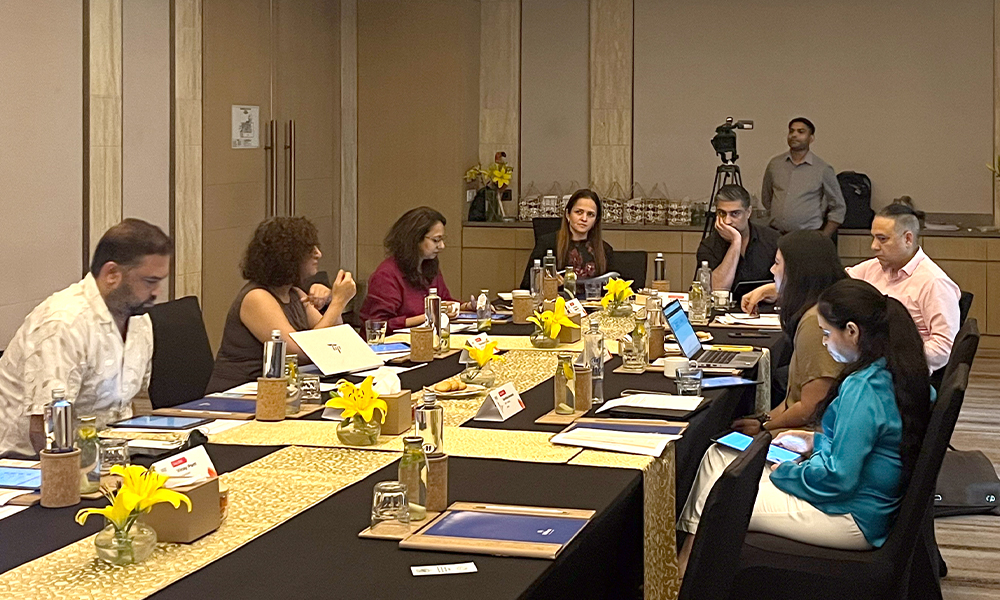
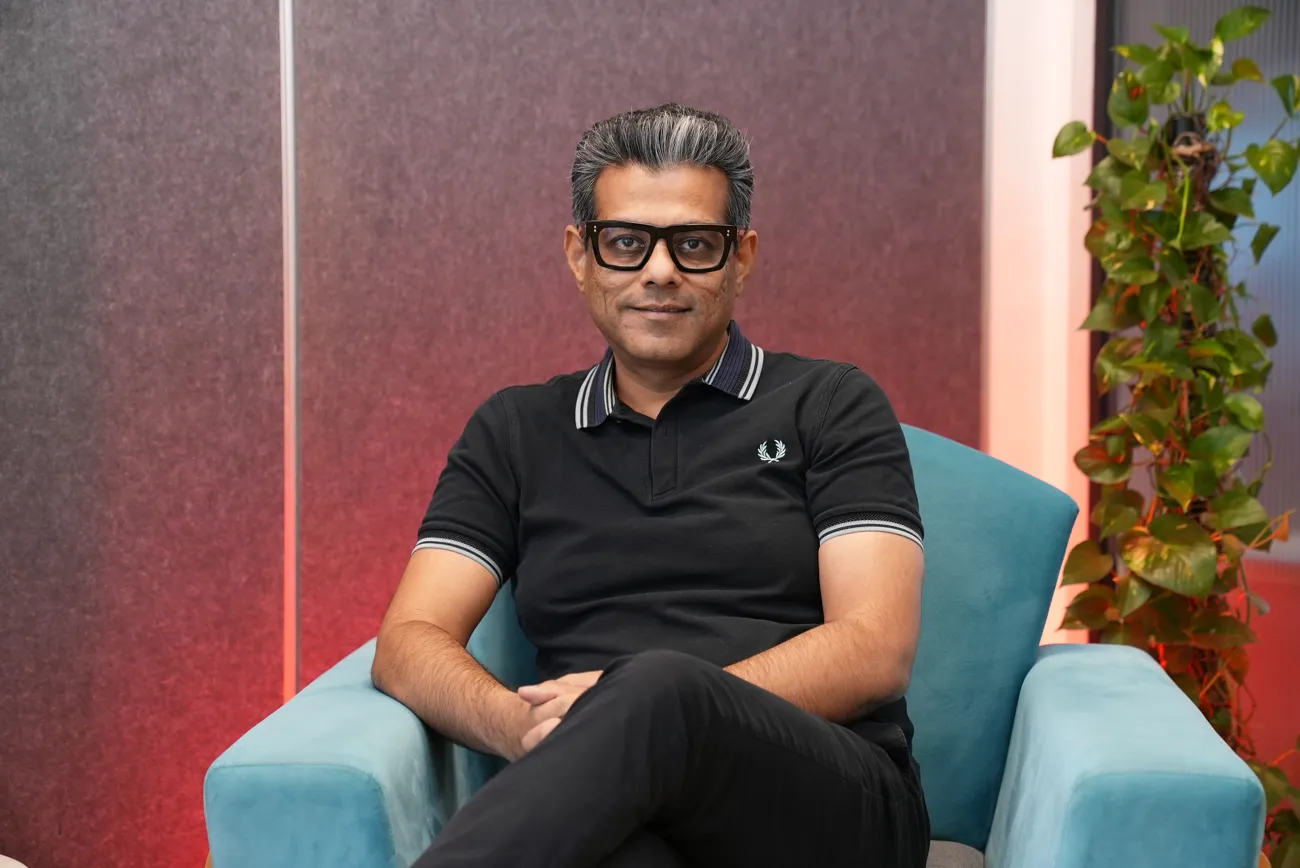
Every June, the world’s advertising and marketing community packs its bags for the Croisette, the seafront promenade in Cannes that lends the Cannes Lions International Festival of Creativity its informal nickname. For one week, agency leaders, brand marketers, and creative directors crowd into beachside terraces and auditoriums to watch, debate, and award the campaigns that will define the year ahead. But for Dheeraj Sinha, CEO of McCann India and a 2026 juror on the festival’s Creative Strategy panel, that experience shouldn’t be reserved for the few thousand people who can afford the flight, the badge, and the week away from the desk. Sinha is one of fourteen Indian jurors at Cannes Lions this year, and his presence on the Creative Strategy jury is itself a marker of how far Indian advertising has travelled on the global stage. The category he is judging is widely regarded as one of the toughest to crack, because it doesn’t just reward a striking film or a clever headline. It asks entrants to defend the thinking that sits underneath the work, the insight that turned a brand problem into a creative solution that moved the needle for the business.
A Three-Decade Argument for Strategic Rigour
Sinha has spent close to thirty years building and defending that kind of strategic thinking, working across some of the biggest names in Indian and global advertising, including Grey, Leo Burnett South Asia, BBH India, FCB, Euro RSCG, and Bates, before taking charge of McCann India in late 2025 following the Omnicom-IPG merger, one of the most significant holding-company realignments the industry has seen in years. Along the way, he has shaped strategy for brands such as PepsiCo, Uber, Spotify, Amazon, Tata AIG, and ITC Aashirwad. He currently also serves as President of the Advertising Club of India, putting him at the centre of nearly every major conversation the Indian advertising industry is having about its own future.
That résumé is part of why his call for “mini-Cannes” events is gaining attention. Sinha’s argument is straightforward: the festival’s real value isn’t the trophy, it’s the exposure to global standards of strategic and creative thinking, and right now that exposure is geographically and financially limited to whoever can make the trip to the south of France. Scaled-down versions of the Cannes experience, hosted in cities and markets that never get to send a full contingent to the Croisette, could let far more planners, creatives, and young talent absorb the same lessons without leaving home.
Why the Creative Strategy Jury Matters
Sinha’s seat on the Creative Strategy jury places him alongside senior strategists from agencies such as Publicis, Havas, Wieden+Kennedy, VML, TBWA\Worldwide, Ogilvy, and Dentsu, all judging work submitted from markets around the world. Winners in this category are announced this week, and Sinha and his fellow jurors have been clear that they are looking for campaigns that did more than perform well creatively. They want proof that the work made an impression, left a lasting impact, and demonstrated to the wider business world that advertising is a living, thriving discipline rather than a cost line to be trimmed.
He has also used the build-up to Cannes to push back on a debate he considers overstated: the idea that brands must choose between creativity and performance. In his view, that has never been a real choice, since the campaigns that endure have always delivered commercial results as well as creative ones. He has been equally candid about India’s place in this conversation, arguing that the old assumption that global juries don’t understand or reward culturally rooted Indian work no longer holds. Global juries, he says, are actively hungry for authentic, locally grounded storytelling, and Indian agencies need to stop second-guessing themselves on that front.
Taking Cannes Beyond the Croisette
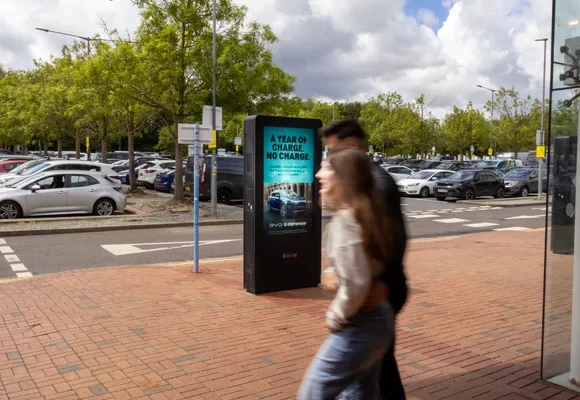
The “mini-Cannes” idea fits a broader shift already underway across the marketing industry, where festival highlights, jury insights, and award-winning case studies increasingly get distributed and discussed digitally long after the week in France ends. Out-of-home and digital-out-of-home networks, agency offices, and industry bodies in cities far from Cannes already screen award reels and host watch parties built around the festival; Sinha’s proposal would formalise and expand that instinct into a more structured, recurring event format that brings strategic learning, not just creative inspiration, to a much wider audience.
For India specifically, the timing matters. With Indian leaders now holding jury seats across categories from Creative Strategy and Creative Data to Design and Media, and with McCann India itself navigating a major post-merger integration under Sinha’s leadership, the appetite for closing the distance between the Croisette and the rest of the world looks set to grow. Whether “mini-Cannes” events become a formal industry fixture or stay an informal grassroots trend, Sinha’s larger point lands either way: the best ideas in advertising shouldn’t need a plane ticket to travel.