Choosing an OOH Advertising Company in India: What Actually Matters

Search “OOH advertising companies in India” and you’ll find dozens of near-identical listicles — the same 10 names, reshuffled, with a paragraph of generic praise for each. None of them answer the question a marketer actually has: how do I pick the right one, and how do I avoid getting burned?
This guide skips the ranked list and focuses on what actually determines whether an OOH campaign in India works — the cost structure, the measurement problem nobody talks about, the regulatory landmines, and the questions that separate a real outdoor media partner from a broker reselling someone else’s inventory.
The Measurement Problem India’s OOH Industry Hasn’t Solved Yet
Here’s something most “top agency” blog posts won’t tell you: India’s OOH industry still doesn’t have a widely adopted, standardized audience measurement system. Shekhar Narayanaswami — CEO of Times OOH and Chairman of the Indian Outdoor Advertising Association (IOAA) — has publicly acknowledged that audience measurement in Indian OOH is a work in progress, and that meaningful measurement can’t succeed without proper asset-level measurement first (knowing exactly what inventory exists, where, and in what condition) as a foundation.
Why does this matter to you as a buyer? Because when an agency hands you a reach or footfall number for a hoarding or digital screen, you should ask a simple follow-up: is this a modeled estimate, a traffic-count-based projection, or actual audience measurement data? Globally, mature OOH markets distinguish between “circulation” (people who merely had an opportunity to see an ad) and true audience measurement (people who plausibly did see it). In India, many agencies still quote circulation-style numbers dressed up as audience reach. That’s not necessarily dishonest — it’s an industry-wide measurement gap — but you should know which one you’re being sold.
The Indian Outdoor Advertising Association (IOAA), the national trade body representing more than 80% of India’s leading OOH media owners, is a useful reference point here. If an agency is an IOAA member, that’s a reasonable trust signal — it means they operate within an industry framework rather than entirely off-grid.
What Actually Drives OOH Pricing in India
Most blog posts skip pricing entirely. Here’s a more honest breakdown of what moves the number:
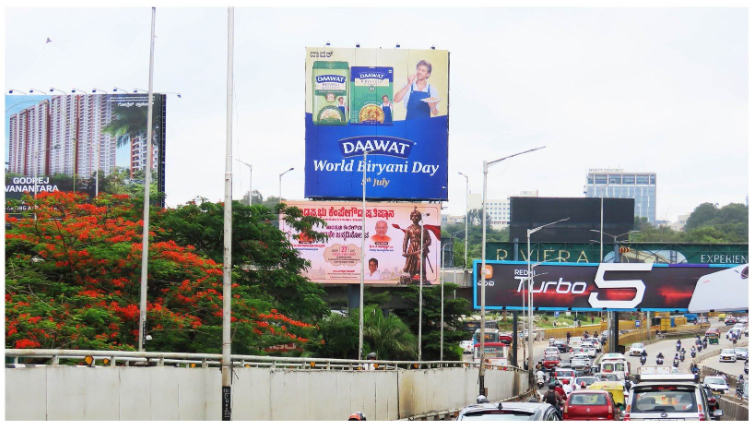
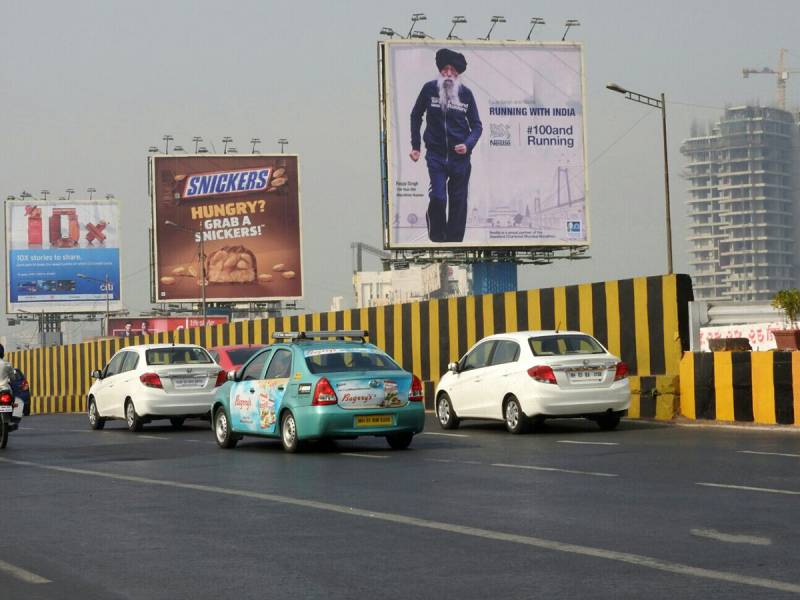
- Location and traffic density — A hoarding on a Mumbai expressway or a Delhi metro corridor will cost multiples of the same physical size in a Tier-2 city. This isn’t padding; it reflects genuine differences in footfall and property/rights costs.
- Format type — Static hoardings are priced by size and duration. Digital OOH (DOOH) screens are typically priced by “spot” (seconds of airtime per loop) or by programmatic CPM, which means costs can flex with demand, time of day, and even weather in some programmatic setups.
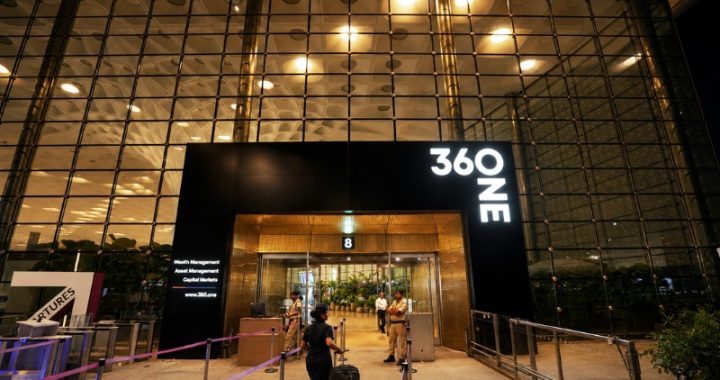
- Exclusivity of rights — Media owners with exclusive contracts at airports or railway stations (rather than shared or municipal inventory) charge a premium precisely because you can’t get that placement anywhere else.
- Production and installation — Printing, fabrication, permissions, and installation are often quoted separately from media space. A lowball media rate can hide inflated production costs — always ask for an all-in number.
- Permissions and compliance costs — Outdoor advertising in India is regulated at the municipal level, and rules vary significantly by city (size restrictions, no-advertising zones near heritage sites, safety clearances near traffic junctions). A credible agency builds this into the timeline and cost upfront; a broker often doesn’t find out until your campaign is delayed by a permission rejection.
Questions That Actually Separate Good Agencies From Resellers
Rather than judging an OOH company by how polished its website looks, ask these directly:
- Do you own or directly control this inventory, or are you sub-leasing it from another media owner? Sub-leased inventory adds a layer of margin and a layer of risk — if the underlying contract lapses, your campaign can come down mid-flight.
- How do you calculate the reach/impression numbers you’re quoting me? Push for specifics: traffic count data source, date of last count, and whether it’s a modeled estimate or a third-party audited number.
- Who handles municipal permissions, and what happens if a site gets rejected or pulled down? This is where campaigns quietly fail. Get this in writing, not verbally.
- Can I see recent proof-of-display photos from live campaigns, not just render mockups? Renders show intent; photos show execution quality — mounting, lighting, cleanliness, and whether the actual site matches what was sold.
- What’s your typical timeline from booking to go-live, including permissions? If the answer is suspiciously fast, that’s often a sign permissions are being skipped rather than secured.
Matching Company Type to Campaign Goal
Rather than naming winners, it’s more useful to understand which category of company suits which situation — because the “best” OOH partner changes entirely based on what you’re trying to do:
- National FMCG launch needing highway and regional dominance → You need a pan-India traditional OOH player with deep vendor relationships across states, not a single-city digital specialist.
- Premium brand statement in a metro → Airport, metro-station, and premium urban site owners with exclusive rights are worth the premium; mass-market hoarding networks won’t deliver the same perception.
- Short-notice, short-duration campaign (product drop, event, flash sale) → Programmatic DOOH networks are built for this — inventory can be booked and live within days, unlike static hoardings that require printing and physical installation.
- Hyperlocal or store-launch campaign → City- or region-specific players with dense local vendor networks will typically get you better value and faster turnaround than a large national agency managing you as a small account.
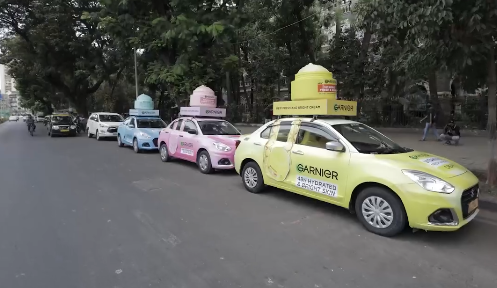
- Mobility-heavy target audience (gig workers, daily commuters, delivery-dependent categories) → Transit and vehicle-branding specialists offer a fundamentally different kind of reach than static placements — moving, repeated exposure across a driver’s or commuter’s actual route.
- Data-accountable campaigns where you need to defend OOH spend internally → Prioritize agencies that lead with measurement methodology and post-campaign reporting over ones that lead with inventory size.
Red Flags Worth Walking Away From
- Reach numbers with no stated methodology or data source.
- Reluctance to name the specific site/location before payment.
- No mention of municipal permissions in the contract or timeline.
- Pressure to book “before the site is gone” without giving you time to verify site photos or traffic data.
- All-inclusive quotes that don’t itemize media, production, and installation separately — this makes it impossible to compare across agencies or catch overcharging in production.
The Bottom Line
India’s OOH industry is growing quickly and consolidating around better technology and measurement, but it hasn’t yet reached the standardization of markets like the US or UK, where third-party audited measurement is the norm. That gap is exactly where the difference between a competent OOH partner and a risky one shows up — not in the size of their portfolio, but in how transparent they are about what they can and can’t prove about the audience they’re selling you.
The single best filter, in practice: pick the agency that can explain, in plain terms, exactly how it counts the people who see your ad — and is upfront about what it doesn’t yet know.