PepsiCo pioneers creator-driven chip innovation targeting Gen Z tastes.

In February 2026, PepsiCo’s Frito-Lay division did something it had never done before: it launched a new product exclusively through TikTok Shop, days ahead of its national retail rollout on March 1. The initiative, called “Flavor Swap,” isn’t just a marketing stunt — it’s a case study in how packaged food companies are rethinking product development, distribution, and influencer partnerships in response to how younger consumers actually discover and buy things.
Here’s what’s actually happening, why it matters, and what it signals for where snack marketing — and social commerce broadly — is headed.
What Flavor Swap Actually Is
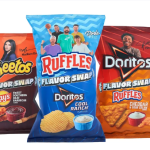
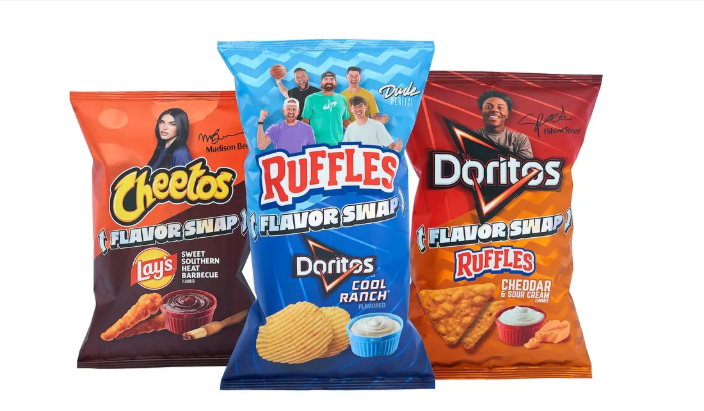
The concept itself is simple: take a beloved flavor from one Frito-Lay brand and apply it to a completely different chip base. The three limited-edition varieties are:
- Lay’s Sweet Southern Heat Barbecue seasoning on Cheetos Crunchy, paired with singer Madison Beer
- Ruffles Cheddar & Sour Cream seasoning on Doritos, paired with streamer iShowSpeed
- Doritos Cool Ranch seasoning on Ruffles, paired with the group Dude Perfect
Frito-Lay had experimented with flavor swaps on the Lay’s line before, but this marks the first time the format has been extended across Doritos and Cheetos — and the first time it’s launched digitally on TikTok Shop before hitting store shelves nationwide.
Chris Bellinger, chief creative officer at PepsiCo Foods U.S., described the campaign as a collection of firsts for the company: the first time these iconic flavors have been remixed onto unexpected chips, the first time top creators have been brought in to put their own spin on the company’s legacy brands, and the first fully social-first campaign used to debut a flavor drop.
Why the Flavor Choices Aren’t Random
One detail that separates this campaign from a typical influencer tie-in is that the flavor pairings were built on actual sales data rather than guesswork. According to PepsiCo, Doritos Cool Ranch is the brand’s second most popular flavor, Ruffles Cheddar & Sour Cream is the top-selling Ruffles variety, and Lay’s Sweet Southern Heat Barbecue taps into the fast-growing “swicy” (sweet-and-spicy) flavor trend.
That’s worth pausing on: rather than picking flavors for novelty alone, PepsiCo built the campaign around its already-proven bestsellers, then used the “swap” format and influencer packaging as the actual innovation. It’s a lower-risk way to generate buzz — the underlying flavors already have a fan base, so the main gamble is the format and the marketing channel, not the taste itself.
Why TikTok Shop, Specifically
Launching a chip flavor on a social commerce platform before it hits stores is unusual for a company the size of PepsiCo, but the data behind the decision is fairly direct. Per PepsiCo’s own figures, 68% of Gen Z consumers have already made a purchase directly through a social platform, and 74% of U.S. consumers have bought a product based on an influencer’s recommendation.
That’s the core logic of the campaign: rather than running influencer content as an ad that points people toward a store, PepsiCo collapsed discovery and checkout into a single platform. A viewer who sees iShowSpeed’s video about the Doritos-Ruffles mashup can buy it on TikTok Shop in the same scroll, without ever opening a separate app or driving to a store.
This isn’t an isolated experiment either. PepsiCo’s U.S. beverage division brought marketing agency VaynerMedia in-house last year to build out exactly this kind of social-first capability, and Poppi — another PepsiCo-owned brand — leaned heavily into social content around its recent Super Bowl campaign. Flavor Swap is the clearest sign yet that this approach is expanding into the company’s core snack portfolio, not staying confined to beverages.
The Timing Isn’t a Coincidence
Flavor Swap launched alongside a separate but related move: PepsiCo cutting suggested retail prices by up to 15% on select snacks, including Lay’s, Doritos, Cheetos, and Tostitos, to address ongoing concerns about affordability.
Running a splashy, influencer-driven product launch at the same time as a price cut is a deliberate pairing. One move signals excitement and cultural relevance; the other addresses a very real problem — private-label snacks have been steadily chipping away at market share as shoppers tighten their budgets. Together, the two moves work as a single strategy: give price-sensitive shoppers a reason to stick with the national brand, and give younger, trend-driven shoppers a reason to try something new.
What This Means If You Work in CPG or Social Commerce
A few practical takeaways stand out for anyone watching this space professionally:
- Social-first launches are moving from beverages and beauty into mainstream packaged snacks. If a company as large and risk-averse as PepsiCo is willing to debut a product exclusively on TikTok Shop, it’s a signal that the format has matured past the early-adopter phase.
- Data-backed flavor selection reduces launch risk. Building “new” products around already-proven bestselling flavors, rather than untested ones, is a repeatable playbook other CPG brands are likely to copy.
- Influencer partnerships are shifting from pure media buys to product co-creation and packaging. Each creator’s face appears directly on the limited-edition bag — a step beyond a sponsored post, closer to a genuine collaboration.
- Affordability messaging and innovation are being paired deliberately. Expect more brands to bundle a “fun, trend-driven” launch with a “we hear you on price” message in the same news cycle.
Where and When to Get It
The Flavor Swap bundle became available on TikTok Shop in mid-to-late February 2026, with full nationwide retail availability beginning March 1, 2026. Full-size bags have generally been priced in the $5–$6 range, with the three-flavor bundle available directly through TikTok Shop for around $17 with free shipping while supplies lasted.
Bottom Line
Flavor Swap works on two levels at once. As a product, it’s a low-risk remix of flavors PepsiCo already knows people love. As a marketing experiment, it’s a real test of whether a legacy CPG giant can successfully launch a physical product through social commerce before a traditional retail rollout — and the data PepsiCo is citing suggests they have good reason to bet on it. Whether or not the specific chip mashups stick around long-term, the underlying playbook — proven flavors, creator-led packaging, and a social-first launch window — is likely to show up again, both from PepsiCo and its competitors.