The $1.4 Billion Leap: How Programmatic DOOH Is Changing Modern Advertising

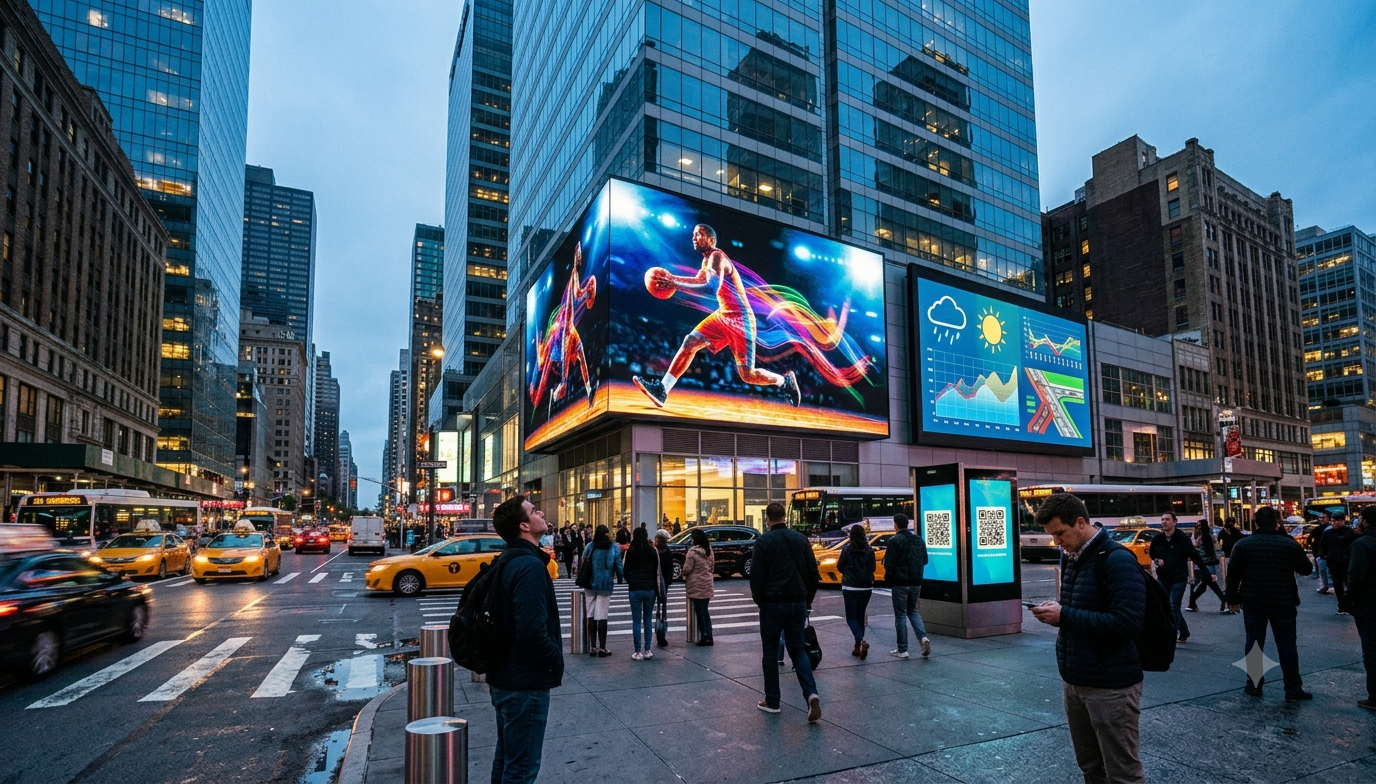
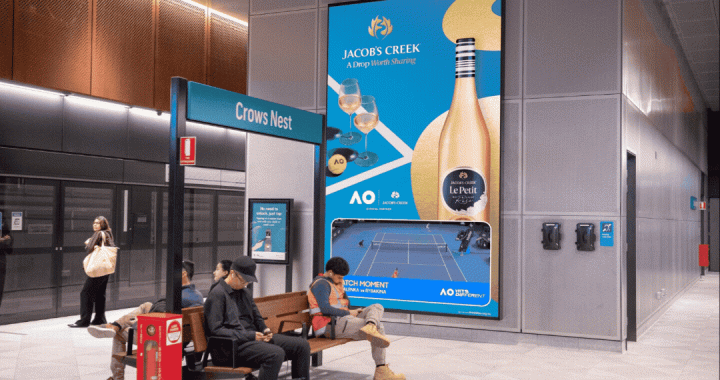
Picture yourself strolling through a packed downtown, rushing for a train, or hunting for deals in a shiny mall. You walk past a bunch of glowing screens. They’re everywhere, flashing ads that grab your eye—and a few years ago, they just ran on autopilot, slipping from one image to the next, like clockwork. Now? Those screens are pretty much alive. They check the weather, track how many people are coming and going, and serve up ads that actually make sense in the moment. That’s programmatic Digital Out-of-Home DOOH advertising—and it just hit a wild milestone.
The World Out of Home Organization says Programmatic DOOH ad spend soared past $1.4 billion globally. Sure, it’s only about 7% of all digital outdoor advertising, but right now, it’s easily the fastest-growing category. Thanks to smart automation and data wizardry, Programmatic DOOH is turning regular places into intelligent spaces. Let’s get into what’s fueling this surge—especially how brands use immersive experiences, deep analytics, and seriously clever engagement to make sure you actually notice their ads.
1. Immersive Experiences: Billboards Break Out of the Box
Flat billboards are basically history. Programmatic tech paired with awesome new screens means outdoor ads have become more than just marketing—they’re practically art.
Those wild 3D Billboards?
You’ve probably seen clips online: a giant dragon swoops out of the screen, or a car launches toward the crowd in Times Square or Tokyo. Because the tech is programmatic, brands can target these jaw-dropping moments exactly when their audience walks by.
Dynamic Creative Optimization (DCO) is where things get really interesting. Since Programmatic DOOH relies on automation, the ad can flip instantly: If it starts raining, a subway screen swaps iced coffee for hot lattes. If there’s a stadium packed for the big game, a sports brand instantly updates its billboards with live scores—so people see the latest info as it happens.
2. Advanced Analytics: Connecting Billboards to Real Results
Old-school outdoor ads felt like tossing messages into the wind. Tons of people drove past… but the connection between seeing an ad and making a purchase? It was pretty fuzzy.
Programmatic DOOH flips this problem on its head. Advertisers now use anonymized location data, sensors, and transit patterns to profile crowds—without ever tracking anyone personally. They figure out if commuters, tech-loving folks, or gym regulars are nearby. So ads get sharper. And the real kicker? Cross-channel tracking. Walk past a screen with a shoe ad, and if geofencing logs you as part of that audience, you might later see the same brand pop up on your phone. Studies say that seeing an outdoor ad first “primes” people—they’re much more likely to click the mobile ad after spotting it on the street.
3. Engagement: Turning Passive Ads Into Interactive Moments
Let’s face it—most people’s eyes are glued to their phones, not billboards. So outdoor ads have to really earn attention now, and Programmatic DOOH is leading the way.
Screens often come with scannable QR codes, AR triggers, or tap-to-play features. You could be waiting for the bus, play a quick mobile game on the screen, and score a discount for a nearby coffee shop.
And with omnichannel integration, it’s all connected: Digital media buyers view these giant screens as just another piece of the puzzle, like Instagram or Google ads. Platforms such as Google’s DV360 and The Trade Desk support pDOOH, so one marketing team can launch a campaign that covers your laptop, your phone, and even that billboard you walk past every morning—all at once.
Looking Forward: What’s Next for DOOH?
Crossing the $1.4 billion mark is only the beginning. Right now, the Americas lead in programmatic penetration (14.2%), Europe is close behind, and Asia-Pacific markets are turbocharging their digital upgrades. So there’s room for massive growth. As artificial intelligence gets smarter, it won’t just run these ads—it’ll predict them. It’ll spot subtle patterns in movement and weather—the stuff humans often miss. So, next time you glance at a digital ad that fits your mood or your needs, take a moment. It’s not a coincidence or magic. It’s a sophisticated, multi-billion-dollar engine humming behind the scenes, doing exactly what it’s built to do.