The End of the Multi-Agency Era? Inside the $480 Million Ray-Ban Move

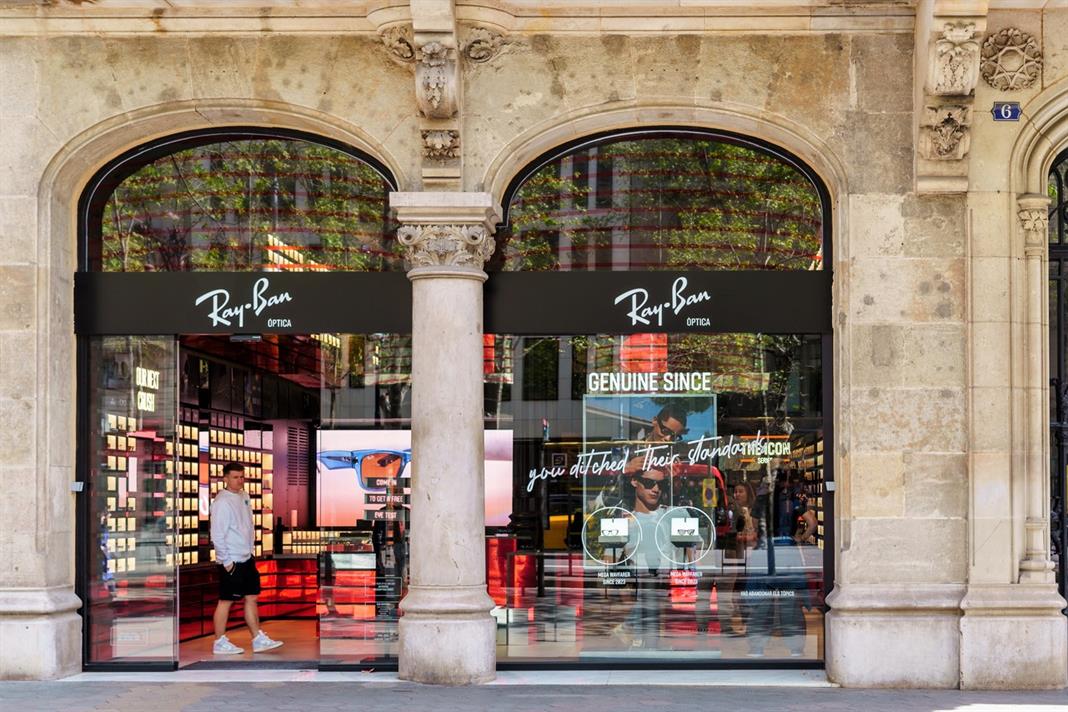
The advertising world just witnessed a tectonic shift as EssilorLuxottica, the titan behind Ray-Ban, Oakley, and Sunglass Hut, officially consolidated its massive global media account under Publicis Groupe.
Estimated at a staggering $480 million (€450 million), this move marks the end of a fragmented multi-agency approach and signals a new era of “med-tech” and AI-driven marketing for the eyewear giant.
The Big Win: Publicis Claims the Full Crown
For years, the EssilorLuxottica media business was split. While Publicis-owned Zenith had held a significant portion of the account since 2018, WPP maintained a firm grip on several key territories and brands.
However, following a grueling six-month competitive pitch process—overseen by the consultancy MediaSense—EssilorLuxottica decided to put all its eggs in one basket. The consolidation covers:
-
Proprietary Brands: Ray-Ban, Oakley, Persol, and Oliver Peoples.
-
Retail Powerhouses: Sunglass Hut, LensCrafters, and Pearle Vision.
-
Luxury Licenses: The media planning and buying for eyewear lines from Prada, Armani, Burberry, Versace, and Dolce & Gabbana.
Why Now? The “Med-Tech” Transformation
This isn’t just about saving money on agency fees; it’s about a radical shift in business identity. EssilorLuxottica is no longer just a “frames and lenses” company.
1. The AI Revolution
As seen in their latest financial reports, the group is betting big on AI glasses. Their partnership with Meta (resulting in the Ray-Ban Meta smart glasses) has been a runaway success, with sales tripling in the last year alone. Consolidating media allows for a unified global narrative as they transition from a fashion accessory to a high-tech wearable.
2. Data Centralization
By moving to Publicis Groupe’s “Power of One” model, the eyewear giant can leverage tools like Epsilon (Publicis’ data arm) and Sapient to create a seamless consumer journey. Whether you’re buying prescription lenses in a Paris boutique or ordering smart glasses on a US website, the data-driven marketing will now be synchronized.
3. Global Consistency vs. Local Nuance
With the planning reportedly being spearheaded out of hubs like Italy (through Zenith), the brand aims for “meaningful and enduring progress” across its 150+ countries of operation.
What This Means for Publicis Groupe
This win continues a “golden run” for Publicis. Coming off a record-breaking 2025, the holding company has consistently outpaced competitors by pitching an integrated, tech-first platform rather than a traditional agency structure.
The EssilorLuxottica win isn’t just a trophy; it’s a validation that their heavy investments in Predictive AI and Global Production (accelerated by the 2026 acquisition of AdgeAI) are what modern, multi-billion-dollar conglomerates are looking for.
Industry Impact: The “Winner Takes All” Trend
The consolidation is a clear indicator of a broader industry trend: Mega-Consolidation. Large advertisers are tired of managing complex agency rosters. They want one partner that can handle the “tech stack,” the creative analytics, and the global media buying simultaneously. For WPP and other rivals, this is a significant loss that highlights the difficulty of defending accounts against a “unified platform” pitch.
The Vision Ahead
As Ray-Ban Meta glasses become a staple of the “next computing platform,” Publicis will be the one pulling the strings behind the scenes. For EssilorLuxottica, the goal is clear: to ensure that when you think of “vision,” you think of their brands—whether that’s through a physical lens or a digital one.
Would you like me to analyze how this consolidation might specifically impact the marketing strategy for the Ray-Ban Meta AI glasses?