WPP’s Rob Reilly Reveals Cannes Lions Winning Formula

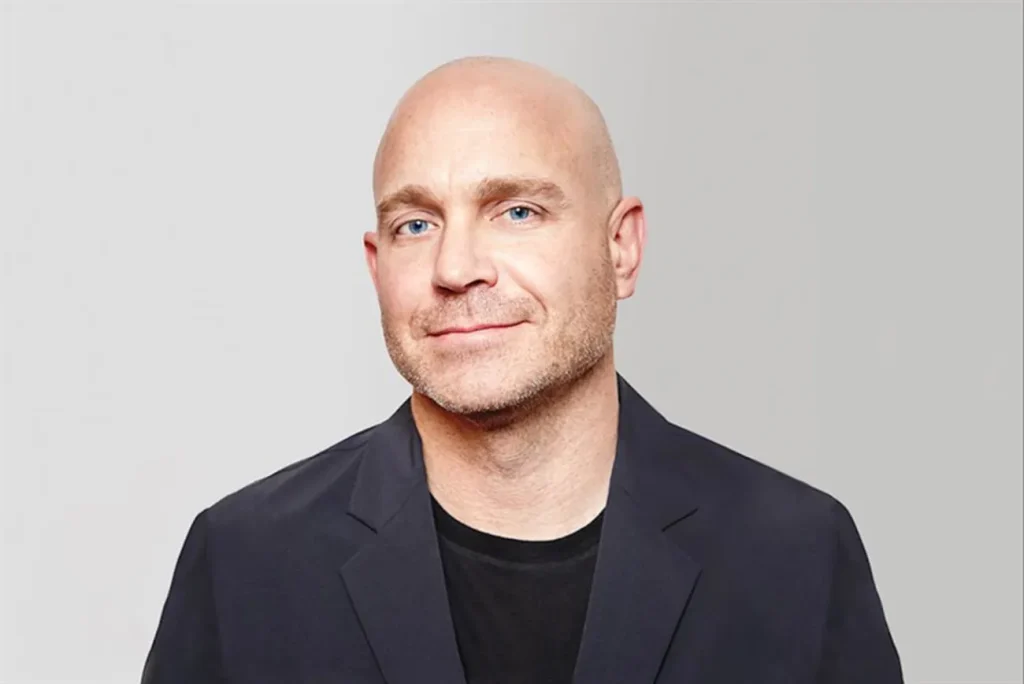
WPP had a standout Cannes Lions in 2026 — and, according to the network’s global chief creative officer Rob Reilly, that success didn’t come from throwing more work at the wall. It came from throwing less. In a candid conversation with Campaign following this year’s festival, Reilly unpacked how WPP’s agencies pulled off one of their strongest showings in years, why the group deliberately cut back on entries, and what winning at Cannes actually means for a holding company navigating a tougher creative and financial climate.
A Smaller Pile of Entries, A Bigger Haul of Lions
Here’s the twist: WPP submitted 36% fewer entries in 2026 compared with the year before. In an industry where Cannes submissions are often treated as a numbers game, that’s a notable pullback — and a deliberate one.
Reilly framed it as a shift toward quality over volume, crediting WPP CEO Cindy Rose for pushing creativity as a genuine point of difference for the business, paired with a real investment in technology and AI as tools that make creative people more effective, not less relevant.
The bet paid off. WPP’s networks Ogilvy and VML landed the top two spots in Network of the Year — first and second place respectively — a 1-2 finish the group says hasn’t happened in 16 years. Burson London also picked up PR Agency of the Year, and across the festival WPP agencies collected 140 Lions in total, including a Titanium Lion, seven Grand Prix, and dozens of Gold, Silver and Bronze honours, spanning work from more than 25 countries.
Standout Grand Prix wins for the group included a PR-winning “Kit Kat heist” campaign from VML and Burson, Adidas’s “Original Forever” from Johannes Leonardo, Clash Royale’s “Copycats Welcome” from David, plus recognised work from Circus Grey and De La Cruz Ogilvy.
Why Winning at Cannes Still Matters
For Reilly, Cannes success isn’t just a trophy exercise — it’s tied directly to the health of the business. The interview came against a backdrop of pressure on WPP Creative, after the group reported a 7.4% decline in global integrated agencies’ revenue in Q1. Reilly used the conversation to speak to how strong creative output feeds back into client confidence and, ultimately, commercial performance — arguing that consistent recognition at the industry’s biggest stage helps prove the network’s creative case to clients weighing where to place their business.
That link between creative reputation and client trust came through elsewhere too. Speaking about this year’s winning campaigns, Reilly credited the clients behind the work as much as the agencies, pointing to examples like a real-time Super Bowl hijack and a supply-chain crisis turned into a global brand moment — work that only happens, in his view, when a client is willing to say yes to something genuinely bold.
Takeaways From the Festival
Beyond the results themselves, Reilly used the interview to reflect on broader shifts he noticed at this year’s festival — from how AI is changing the creative process to what juries are now rewarding versus what used to win a few years back. It’s a signal of where WPP intends to keep investing: fewer, sharper submissions, deeper client collaboration, and a continued push to use technology as a creative accelerant rather than a shortcut.
The Bigger Picture
WPP’s 2026 Cannes performance lands at an interesting moment for the holding company — proving strong creative output and financial pressure aren’t mutually exclusive stories. If Reilly’s comments are anything to go by, the network’s strategy going forward looks less about chasing every award category and more about making sure the work that does get entered is genuinely built to win.