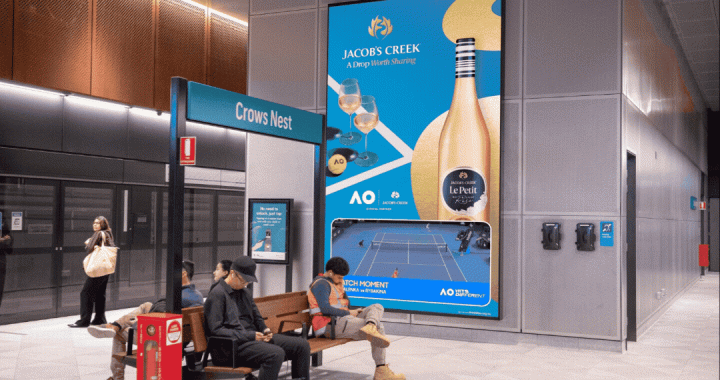
Karnataka Assembly Clears Landmark Bill to Regulate Outdoor Ads

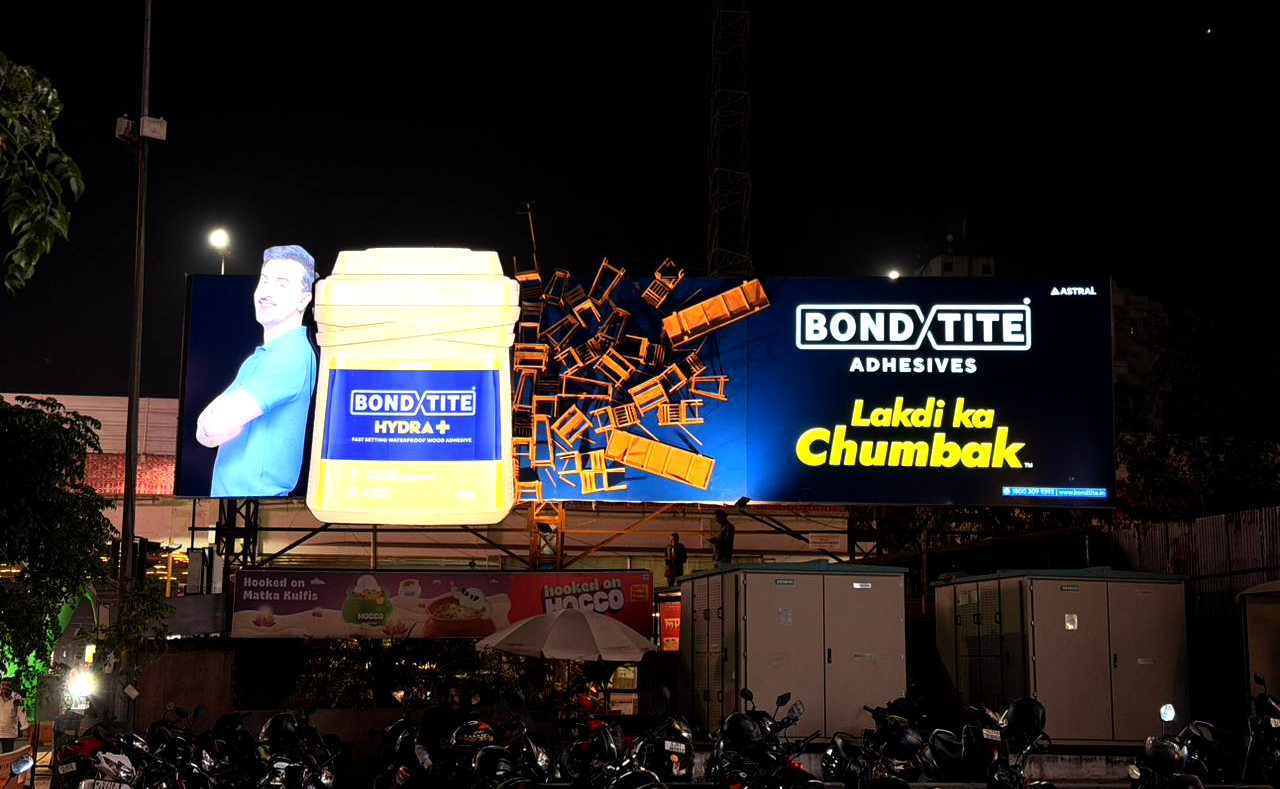
Karnataka Assembly Passes Landmark Bill to Regulate Outdoor Ads; Uniform Fee Structure Implemented Statewide Led by Urban Development Minister B.S. Suresha, the bill aims to evolve the state’s outdoor advertising sector from a fragmented, unregulated market into a streamlined, high-yield revenue source for local municipal bodies.
Key Highlights of the 2026 Amendment
The legislation grants Urban Local Bodies (ULBs) unprecedented authority to manage and monetize visual spaces within their jurisdictions:
-
Universal Local Empowerment: For the first time, every ULB in Karnataka—from major corporations to small town councils—is authorized to levy fees on advertisements displayed on land, buildings, walls, or any permanent structure.
-
State-Governed Pricing: While local authorities will set specific charges, they must adhere to a “floor and ceiling” price range established by the state government to prevent arbitrary or excessive pricing.
-
Zero Tolerance for Illegal Displays: The bill mandates a strict written permission requirement. Unauthorized boards face immediate removal, and owners will be liable for penalties plus 18% annual interest on any unpaid fees.
-
Tender-Based Public Spaces: Advertising rights on government-owned land will now be awarded through a transparent open-tender process to ensure maximum revenue for the public exchequer.
The DOOH Perspective: What This Means for Digital Media
For the digital signage industry, the bill represents a shift toward long-term stability. While compliance costs may rise, the formalization of the sector offers several “digital-first” advantages:
-
Statewide Standardization: The act effectively scales the regulations previously seen in the Greater Bengaluru Governance Act to the entire state. DOOH operators in Tier-2 cities like Mysuru, Hubballi, and Mangaluru can now expect the same regulatory clarity for LED/LCD screens and electronic displays as those in the capital.
-
Clearing the Clutter: By cracking down on “unauthorized” static boards that currently bypass taxes, the government is effectively reducing visual noise. This increases the “eye-share” and premium value of authorized DOOH assets.
-
Regulatory Transparency: The bill includes provisions for validating historical fees, shielding legitimate operators from the uncertainty of retrospective tax hits and legal disputes.
“Those who have installed boards without authorization are not paying a single rupee in tax. We will remove these boards and subject those spaces to a tender process so the government receives its fair share of revenue,” stated Minister B.S. Suresha during the assembly session.