Top 5 Data-Driven OOH Agencies for Pan-India Campaigns

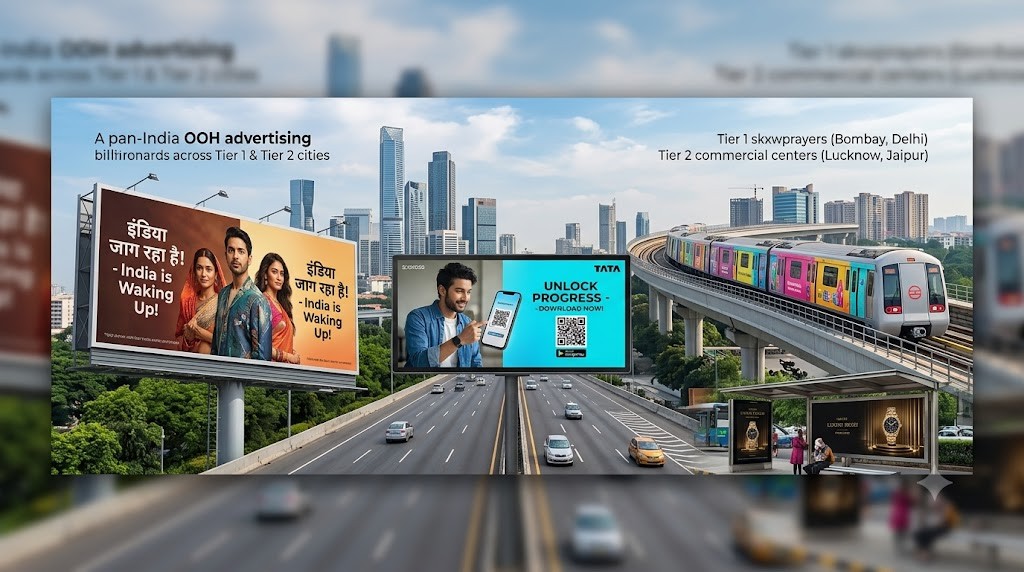
The Indian advertising scene is currently going through a massive shake-up. If you walk through any major metro or upcoming tech hub today, it’s obvious that digital fatigue is incredibly real. People are drowning in email spam, skipping YouTube ads, and scrolling past sponsored posts without a second thought. To actually get noticed now, brands are forced to break through the screen and reclaim the physical world. But here’s the catch: the old-school way of doing outdoor advertising—just putting up a static vinyl billboard and hoping for the best—is officially dead. Today, it’s all about Digital Out-of-Home (DOOH) and smart, data-backed traditional networks. If you want your brand to dominate both the bustling Tier 1 metros and the hyper-growth Tier 2 markets, you can’t just work with a local vendor. You need an agency with a rock-solid market reputation, massive asset control, and serious data capabilities. Here are the top 5 powerhouse agencies in India built to handle this level of national execution.
The Top 5 Agencies Dominating India’s OOH Space
1. Times OOH
When it comes to premium, high-impact transit real estate, Times OOH is a legacy heavyweight. If you’ve traveled through India’s top international airports or major metro lines recently, you’ve seen their work. The Footprint: They hold exclusive advertising rights for massive transit hubs, including airports in Mumbai, Delhi, and Bengaluru, alongside premium metro corridors. The Strategy: They are the gold standard for high-income Tier 1 targeting. However, their network naturally bleeds into Tier 2 spaces via intercity transit routes, making them the ultimate pick if your goal is immediate premium brand authority and massive visual scale.
2. Posterscope India (Dentsu Network)
Posterscope operates as a global specialist under the Dentsu umbrella, and they are famous for bringing deep data analytics and programmatic technology into the Indian outdoor market. The Footprint: Instead of just selling spaces they physically own, they act as an aggressive data aggregator, tapping into consumer mobility data across hundreds of Indian cities. The Strategy: They excel at dynamic DOOH. In a Tier 1 city like Bengaluru, they can program your creative to change based on live traffic updates or weather conditions. In Tier 2 hubs, they use geographic clustering tools to place screens exactly where local retail spending is spiking.
3. Laqshya Media Group
An independent giant operating since the late ’90s, Laqshya perfectly bridges the gap between deep-rooted asset ownership and modern tech measurement. The Footprint: Their inventory spans massive traditional hoardings, high-traffic city gantries, and highly visible digital screens nationwide. The Strategy: Laqshya stands out because they’ve brought metric transparency to a historically unmeasured industry. They use real-time mobile location data to track actual footfall around their assets. This means whether you are running a campaign in Mumbai or Indore, you get the exact same proof of verified impressions.
4. Bright Outdoor Media
If your goal is absolute dominance on the streets, Bright Outdoor Media is a titan. They own some of the most coveted, high-visibility physical layouts along major highways and arterial city roads.
The Footprint: A vast network of massive billboards, digital screens, street furniture, and high-impact cinema branding assets. The Strategy: Bright is your go-to for raw, inescapable visibility. As Tier 2 cities like Surat, Jaipur, and Lucknow experience a major retail boom, Bright uses dominant highway entry and exit structures to make sure regional commuters and intercity travelers cannot look away from your brand.
5. Trzy Media
A highly agile, fast-growing player in the modern outdoor ecosystem, Trzy Media focuses on turning outdoor displays into highly creative, experiential 360-degree setups.
The Footprint: A sharp mix of cutting-edge 3D anamorphic displays, digital screens, transit media, and interactive activations across both metros and key regional markets.
The Strategy: They excel at creative localization. Because Tier 2 consumers respond differently than metro audiences, Trzy specializes in modifying core campaign assets to match unique regional dialects, cultural hooks, and localized idioms—ensuring your campaign feels native wherever it lands.
The Dual-Engine Play: Cracking Tier 1 vs. Tier 2
To pull off a successful pan-India campaign, you have to realize that you are speaking to two completely different consumer mindsets at the exact same time.
Metros: Fighting the Distraction
In Tier 1 cities, people are in a constant rush and almost always staring down at their phones. To beat this, top agencies focus on capturing “dwell time.” By placing sleek digital screens directly in the path of a consumer’s daily routine—like premium residential elevator lobbies, corporate tech parks, and luxury transit lounges—they catch people when they are idle, relaxed, and actually looking for a distraction.
Tier 2 Growth Engines: Feeding the Aspiration
Tier 2 cities are currently driving India’s fastest retail growth, with consumer spending soaring. Outdoor strategies here aren’t about micro-targeting corporate workers; they’re about building immense brand prestige. Top agencies achieve this by deploying large-format, high-definition, premium displays in central commercial markets and local lifestyle zones, instantly elevating a brand’s status in the eyes of an upwardly mobile audience.
Real Campaign Insights: What’s Working Right Now?
Based on recent regional rollouts and data from major national launches, the outdoor playbook has completely evolved. Here is what is moving the needle:
Cross-Screen Retargeting: Advanced campaigns are now bridging the physical and digital worlds. Using anonymous mobile location data, agencies can track when a consumer passes a specific highway billboard, and then trigger matching programmatic ads to that person’s smartphone later that day. This dual-screen approach yields a 65% higher conversion rate than running outdoor ads completely isolated. Live, Contextual Triggers: Running a static loop for 30 days doesn’t cut it anymore. Brands that dynamically update their digital displays with live cricket scores, current weather-driven discounts, or hyper-local festive greetings see a massive 40% jump in brand recall among shoppers. Frictionless O2O (Online-to-Offline): Placing contextual QR codes or interactive links inside short, engaging video loops on digital screens is turning passive viewers into instant buyers. When screens are placed in comfortable, low-stress environments (like modern bus shelters or transit lounges), consumers are highly receptive to scanning them, turning a simple daily commute into a direct engine for digital sales.
Cracking the Indian market requires an outdoor advertising partner that eliminates guesswork. Whether you need the massive premium transit footprint of a legacy player, the hyper-targeted data analytics of a global network, or the regional agility of an experiential agency, your choice must come down to verified reach and compliant inventory. By picking a partner that seamlessly blends programmatic precision with dominant local scale, you stop just “buying space” and start driving real, measurable business growth.