Why JOLT Says DOOH Is the Fraud‑Proof Digital Channel


Australian advertisers are facing a deepening ad fraud crisis, with new research showing up to 30 per cent of digital ad spend is being siphoned off by bots, draining an estimated $5.16 billion from the economy every year. In response, JOLT CEO Doug McNamee is calling on brands to rethink where they invest their digital budgets, not whether they should be in digital at all.
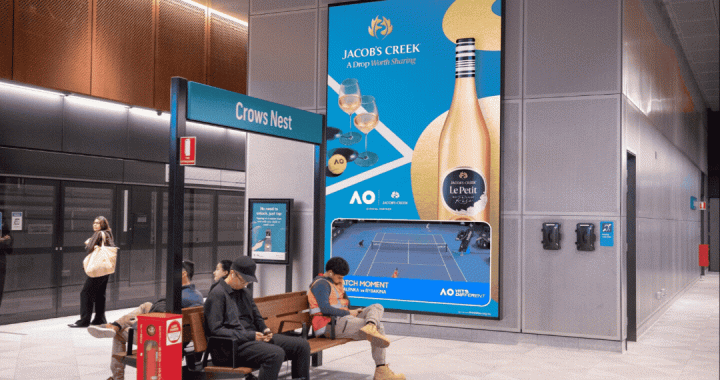
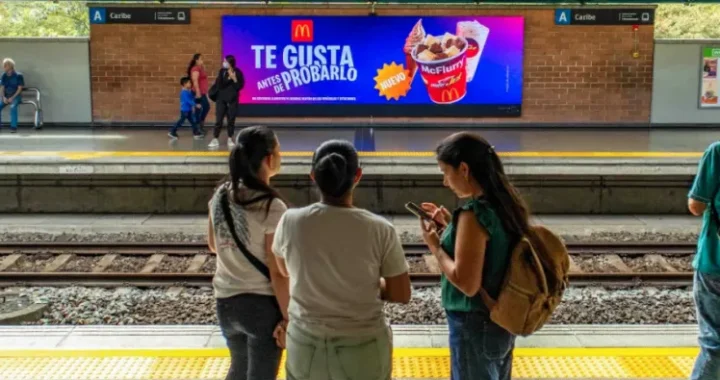
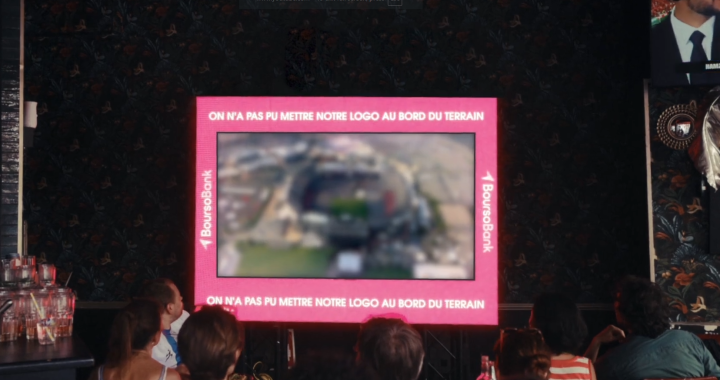
McNamee argues that the core issue lies in the structure of online environments such as search, social, CTV and display, where sophisticated bots can infiltrate the ad supply chain at almost every layer. By contrast, he positions digital out-of-home (DOOH) as the secure side of digital – still data-driven and measurable, but anchored in the real world. A DOOH screen, he notes, is physically located in public space and viewed by real people, leaving no opportunity for non-human traffic to impersonate an audience.
JOLT, which operates Australia’s largest integrated EV charging and DOOH network, is leaning into this strength. Its screens are embedded in high-dwell, real-world environments, delivering verified human audiences at scale while still offering the targeting and measurement advertisers expect from modern digital channels. The company says this combination of physical presence and digital intelligence effectively shuts the door on bot-driven fraud.
McNamee’s comments coincided with the official launch of MOVE, Australia’s new $20 million out-of-home audience measurement system. MOVE now provides hour-by-hour, panel-level audience data across more than 180,000 outdoor sites nationally, further strengthening the case for DOOH as a transparent, accountable and fraud-resistant channel for brands looking to protect their media investments.