Municipal Corporation of Delhi Floats LED Ad Tender to Boost DOOH in Delhi

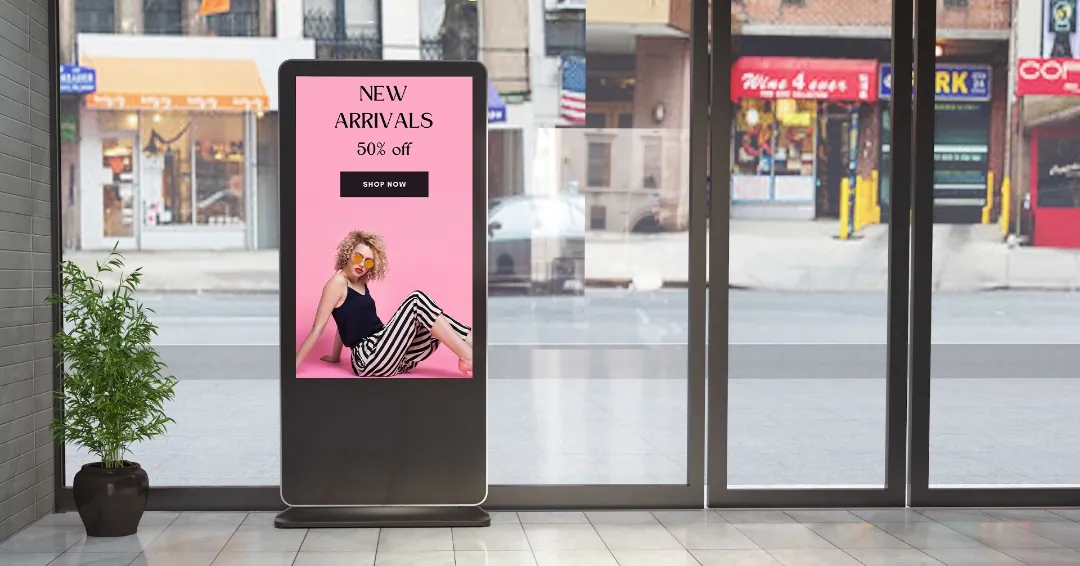
In a significant push toward modernising the out-of-home (OOH) advertising landscape, the Municipal Corporation of Delhi (MCD) has rolled out a new tender inviting bids for advertising rights tied to LED screens and digital media assets across key commercial zones in the city. The initiative signals the civic body’s intent to capitalise on the fast-growing digital out-of-home (DOOH) segment while unlocking new revenue streams from urban infrastructure.
The tender offers advertising rights across clusters of digital screens located in some of Delhi’s busiest marketplaces. These rights will be awarded on a monthly licence fee basis through a structured two-bid system, where applicants will be evaluated on both technical qualifications and financial strength. The contract tenure is set at three years, with a provision for extension up to two additional years, contingent on performance and approval from the Commissioner.
A notable feature of the tender is its flexible participation framework. Bidders are allowed to apply for one or multiple clusters depending on their financial capacity, a move designed to attract a diverse mix of participants—from established outdoor advertising firms to emerging mid-sized operators. This approach reflects MCD’s broader strategy of creating a competitive and inclusive DOOH ecosystem in the national capital.
The project spans 24 high-footfall locations across multiple zones, including Dwarka, Najafgarh, Shahdara North and West Delhi. Prominent commercial hubs such as Sector 4 Dwarka, Nanak Market, Tilak Nagar, Patel Nagar, and Civil Lines have been earmarked for the installation of LED screens. These screens will vary in size, ranging from compact 3 square metre displays to larger formats of up to 36 square metres, offering advertisers a mix of inventory options based on visibility and audience reach.
From a financial perspective, the tender caters to a wide spectrum of investment capabilities. Entry-level sites are priced with monthly reserve fees starting at approximately ₹1.3 lakh, making them accessible to smaller players. On the higher end, premium locations command upwards of ₹5.4 lakh per month, translating into annual commitments exceeding ₹60 lakh for select high-value clusters in South and West Delhi. This tiered pricing structure is expected to generate strong interest across the industry.
To ensure only credible and capable participants enter the bidding process, MCD has established clear eligibility benchmarks. These include requirements such as earnest money deposits, minimum average turnover, and net worth thresholds. Such criteria aim to ensure that selected bidders possess the financial stability and operational capability to manage and maintain digital advertising infrastructure effectively.
Alongside commercial considerations, the civic body has placed strong emphasis on public safety and urban aesthetics. All installations must strictly adhere to the Outdoor Advertisement Policy (OAP) 2017, ensuring that LED screens do not distract motorists or obstruct traffic signage. The guidelines specifically mandate that digital displays be positioned away from critical road junctions and driver decision-making zones to minimise any potential risks.
Responsibility for the structural integrity and safety of the installations will lie entirely with the appointed advertising agencies. In the event of any accidents, damages, or structural failures, the liability will rest solely with the allottee, reinforcing accountability within the system.
In line with its public service obligations, MCD has also incorporated a social messaging component into the tender. Selected operators will be required to allocate two minutes every hour—between 10 am and 10 pm—for the display of public awareness and social service messages. Importantly, this requirement comes without any reduction in licence fees, ensuring that civic communication is integrated into the commercial framework without impacting municipal revenues.
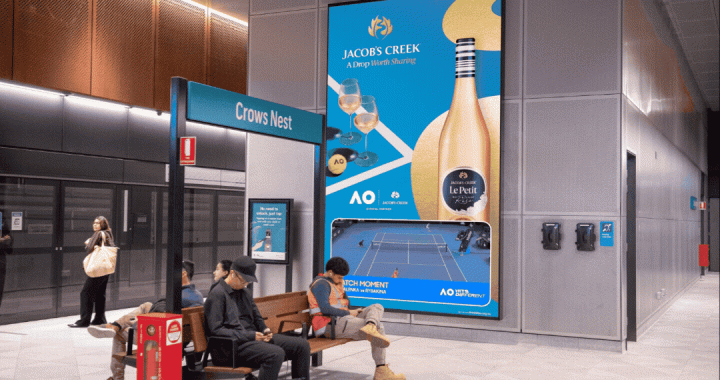
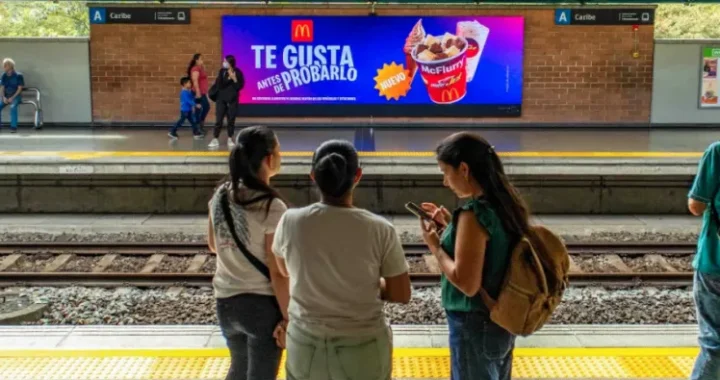
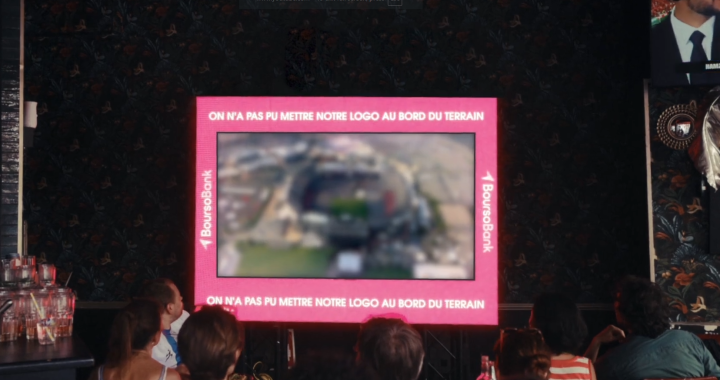
The initiative reflects a broader shift in how urban authorities are approaching advertising infrastructure. With traditional static hoardings gradually giving way to dynamic, data-driven formats, DOOH is emerging as a preferred medium for both advertisers and city planners. Digital screens offer the advantage of real-time content updates, targeted messaging, and higher engagement levels, making them significantly more effective than conventional formats.
For advertisers, the availability of premium digital inventory in high-traffic retail and market areas presents a compelling opportunity. These locations naturally attract consumers in an active purchasing mindset, enhancing the effectiveness of campaigns and improving conversion potential.
Industry observers believe that the tender could act as a catalyst for further growth in Delhi’s DOOH sector. With a structured framework, premium locations, and scalable participation options, the initiative is expected to draw strong interest from leading outdoor advertising agencies as well as digital media operators looking to strengthen their footprint in the capital.
As cities continue to evolve into smarter, more connected ecosystems, the integration of digital media into public spaces is becoming increasingly important. Through this tender, MCD is not only monetising its assets but also aligning itself with the future of advertising—one that is dynamic, measurable, and deeply embedded in the urban experience.