Mall Digital Signage Installation: Hardware, CMS, and ROI

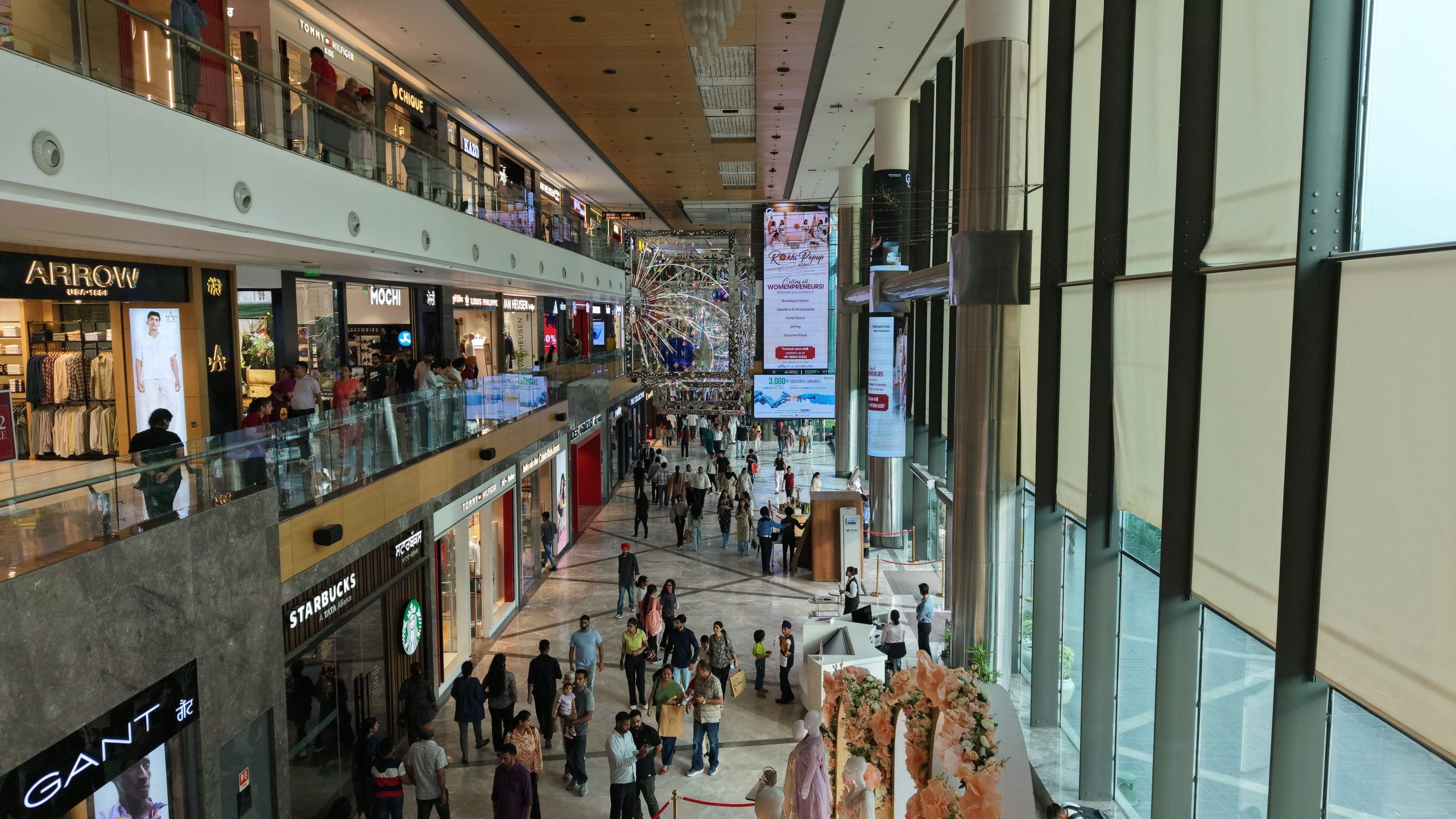
In 2026, the shopping mall is no longer just a collection of stores; it is a Media Experience Center. As we move deeper into the “Proof Era,” the physical infrastructure of a mall must work as hard as a digital storefront. Digital signage is the nervous system of this environment, turning static corridors into dynamic, revenue-generating assets. At Dooh Digital, we focus on the intersection of technology and human behavior. Here is your comprehensive guide to installing a world-class digital signage network in a mall environment.
1. Installation Strategy: Mapping the “High-Value” Journey
Strategic placement is the difference between an ignored screen and a high-performing asset.
-
The Grand Entrance (The “Wow” Factor): Use massive LED video walls or 3D Anamorphic displays. These screens stop foot traffic and create “sharable moments” for social media, providing organic “Proof of Reach.”
-
Atrium & Vertical Voids: Large hanging LED banners utilize the vertical space of the mall, ensuring visibility from multiple floors.
-
Wayfinding Hubs: Place interactive kiosks at every major intersection. In 2026, these are no longer just maps; they are AI Concierges that provide personalized routes and store recommendations.
-
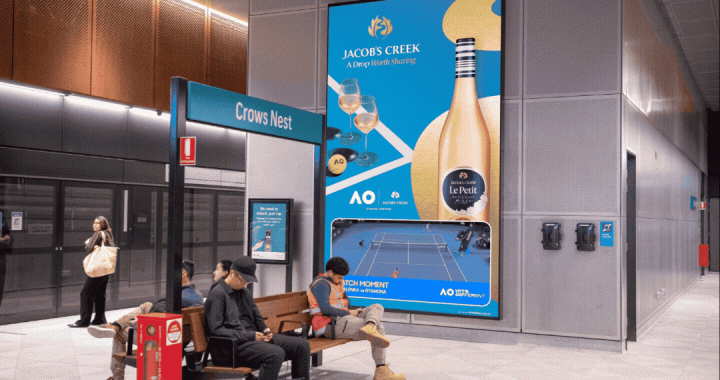
Elevator & Escalator Banks: These are “High Dwell” zones. Use smaller, eye-level commercial displays for short-form, high-frequency advertising.
2. The Right Devices: Commercial Screens vs. Consumer TVs
A common pitfall is using consumer-grade TVs to save budget. In a mall, where lights are bright and operation is constant, Commercial-Grade Screens are mandatory.
Key Hardware Specifications:
-
Brightness (Nits): Malls have harsh overhead lighting. You need a minimum of 500–700 nits for indoor displays and up to 2,500+ nits for window-facing units to combat solar glare.
-
Operation Rating: Look for 24/7 or 18/7 ratings. Consumer TVs will suffer from “panel burnout” within months of continuous mall operation.
-
Non-Glare Coating: Brands like the Sony BRAVIA BZ-Series or Samsung QHB feature specialized coatings that reduce reflections from polished mall floors and glass.
-
Media Players: While many screens have built-in SoC (System on Chip), for complex 3D content or interactive wayfinding, external players like BrightSign or Intel NUC are the industry standard for stability.
3. Best Software & CMS (Content Management System)
The software is your “Command Center.” A mall network requires an enterprise-grade, cloud-based CMS that supports multi-tenancy (allowing different brands to manage their own slots).
-
Top CMS Contenders:
-
Broadsign: The gold standard for OOH media networks, specifically designed for ad-sales and programmatic delivery.
-
Mappedin: The leader in Digital Wayfinding. It allows for real-time map updates and integrates directly into your advertising loop.
-
ScreenCloud / Raydiant: Excellent for malls that want to blend social media feeds, live event updates, and tenant promotions with ease.
-
4. Proof of Play (PoP): The Receipt of the Physical World
In the Proof Era, advertisers demand transparency. Proof of Play is a non-negotiable feature for mall signage.
-
Verification: PoP software generates logs that prove an ad was actually rendered on the screen.
-
Programmatic Integration (pDOOH): By 2026, mall networks are increasingly integrated with pDOOH platforms. This allows brands to bid on mall “impressions” in real-time, much like they do on Google Ads, with PoP serving as the “click-through” verification of the OOH world.
5. Technical Installation & Maintenance
The “unseen” part of the installation determines the network’s longevity.
-
Connectivity: Always prioritize Hardwired Cat6 Ethernet. Mall Wi-Fi is notoriously unstable during peak holiday shopping hours.
-
Thermal Management: LED walls generate significant heat. Ensure your installation includes proper ventilation or active cooling to prevent “pixel death.”
-
Calibration: Professional calibration is required to ensure color consistency across the mall. You don’t want a brand’s logo looking “off-red” on one floor and “pink” on another.
The Dooh Digital Verdict
Installing digital signage in a mall is no longer about “putting up screens.” It is about building a Programmatic Media Network. When you combine high-nit commercial displays with AI-driven wayfinding and verified Proof of Play, you transform your mall from a real estate play into a high-margin data and advertising platform.