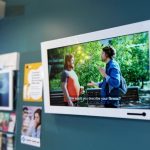
How to Maintain DOOH LED Screens in Malls, Highways, and Public Places

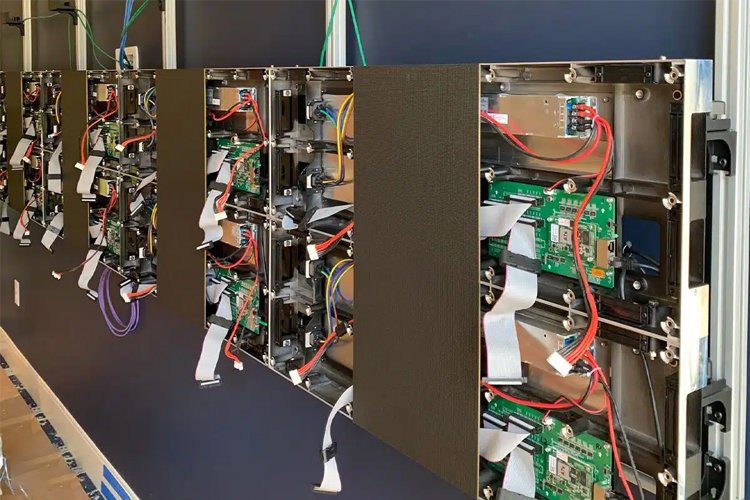
Maintaining DOOH LED screens across malls, highways, and public places requires a location-specific approach because each environment presents unique challenges. Screens in malls operate in controlled indoor conditions, while highway billboards face extreme weather and constant exposure. Public place screens, such as those in metro stations or city centers, experience heavy usage and high visibility expectations. Proper maintenance ensures consistent performance, longer lifespan, and uninterrupted ad delivery, which is critical for revenue and brand reputation.
Maintaining LED Screens in Malls (Indoor DOOH)
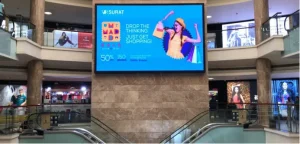
DOOH LED screens installed inside malls benefit from a relatively stable environment, but they still require regular attention. Dust accumulation from foot traffic and HVAC systems can gradually affect brightness and clarity. Routine cleaning using microfiber cloths and safe cleaning solutions helps maintain screen quality. Since malls operate for long hours, continuous usage can lead to overheating if ventilation is not adequate. Ensuring proper airflow and checking internal cooling systems is essential to prevent hardware damage. Additionally, content playback must be monitored regularly through the CMS to ensure that campaigns are running correctly without glitches or interruptions.
Highway LED Billboard Maintenance (Outdoor DOOH)
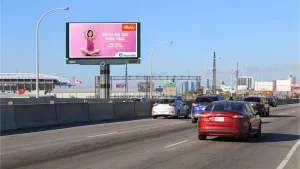
Highway LED screens face the toughest conditions, including heat, rain, wind, and pollution. These large-format displays require strong structural support and weatherproof enclosures with high IP ratings to protect internal components. Regular inspection of LED modules is necessary to identify dead pixels or brightness inconsistencies, especially since visibility from long distances is crucial. Power supply systems on highways must be highly reliable, often supported by surge protectors and backup systems to handle voltage fluctuations. Cleaning is also more frequent due to dust and pollution buildup, which can reduce screen visibility if not managed properly.
Maintenance of LED Screens in Public Places
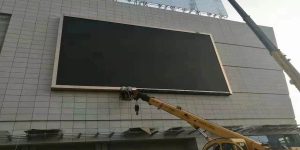
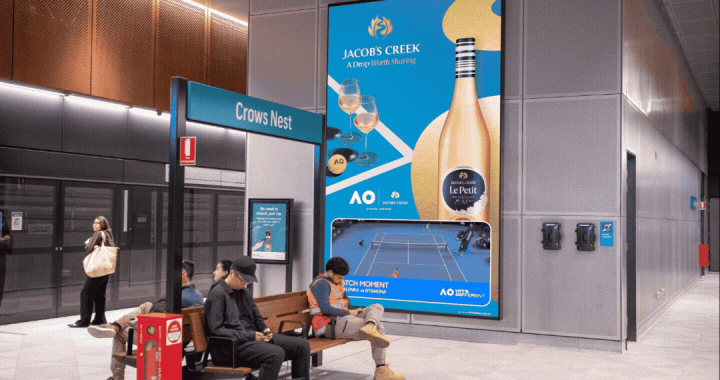
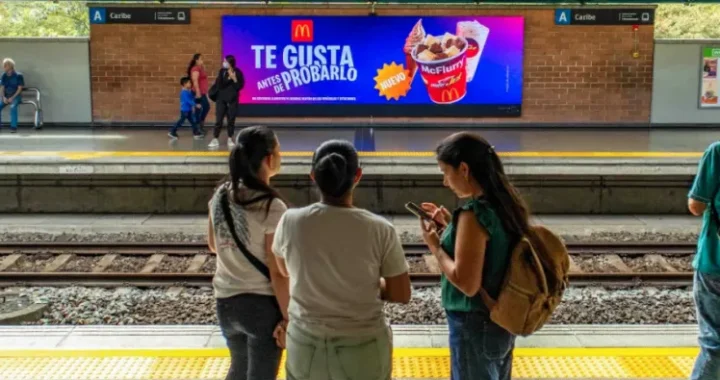
Screens in public areas such as airports, railway stations, and city squares operate in high-traffic environments where performance must remain flawless. These screens often run dynamic, real-time content, making CMS monitoring critical. Network connectivity should be stable to ensure timely updates and smooth playback. Physical safety is also a concern in public areas, so screens must be securely installed and protected against accidental damage or vandalism. Regular inspections help ensure both operational efficiency and public safety compliance.
Pixel and Display Quality Management
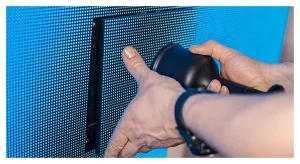
Regardless of location, maintaining pixel quality is a core part of DOOH screen management. Dead pixels, color imbalance, or brightness issues can directly impact advertiser satisfaction. Routine calibration ensures uniform brightness and accurate color representation. In modular LED screens, faulty panels can be replaced quickly, minimizing downtime. High-quality visuals are essential for attracting attention and delivering impactful advertising messages.
Power Supply and Backup Systems
A stable power supply is critical for all DOOH installations. Voltage fluctuations can damage sensitive LED components and reduce screen lifespan. Installing voltage stabilizers, surge protectors, and UPS systems ensures consistent operation. In high-value locations like highways and large public displays, backup generators are often used to prevent downtime during power failures. Monitoring power usage also helps in identifying inefficiencies and optimizing operational costs.
Software Updates and System Performance
DOOH screens rely on media players and software systems that require regular updates. These updates improve performance, fix bugs, and enhance compatibility with CMS platforms. Scheduling updates during non-peak hours ensures that advertising campaigns are not disrupted. Keeping systems updated also strengthens security, protecting the network from potential cyber threats.
CMS and Content Monitoring
The Content Management System (CMS) controls all DOOH operations, from content scheduling to playback reporting. Regular monitoring ensures that campaigns are delivered accurately across all locations. Any errors in scheduling or playback must be addressed immediately to avoid revenue loss. Advanced CMS platforms also provide analytics that help optimize ad performance based on audience behavior and timing.
Network Connectivity and Remote Monitoring
Reliable internet connectivity is essential for managing DOOH screens, especially those connected to cloud-based CMS platforms. Backup network solutions, such as dual SIM routers or secondary connections, help prevent downtime. Remote monitoring systems provide real-time insights into screen performance, allowing operators to detect and resolve issues quickly without visiting the site. This improves efficiency and reduces maintenance costs.
Environmental Protection and Cleaning
Environmental factors significantly impact DOOH screens, especially in outdoor and public locations. Dust, heat, and moisture can affect both performance and durability. Using weatherproof enclosures, cooling systems, and regular cleaning schedules helps maintain optimal performance. For highway screens, anti-glare coatings and high brightness levels are also important for visibility under direct sunlight.
Conclusion: Ensuring Long-Term DOOH Performance
Maintaining DOOH LED screens in malls, highways, and public places requires a combination of technical expertise, regular monitoring, and preventive maintenance. Each location has its own challenges, but the goal remains the same—delivering high-quality, uninterrupted visual experiences. By focusing on pixel quality, power stability, software updates, CMS management, and environmental protection, businesses can ensure reliable operations and maximize the impact of their DOOH advertising networks.