Mumbai Metro: Transforming Transit into a High-Impact Advertising Ecosystem

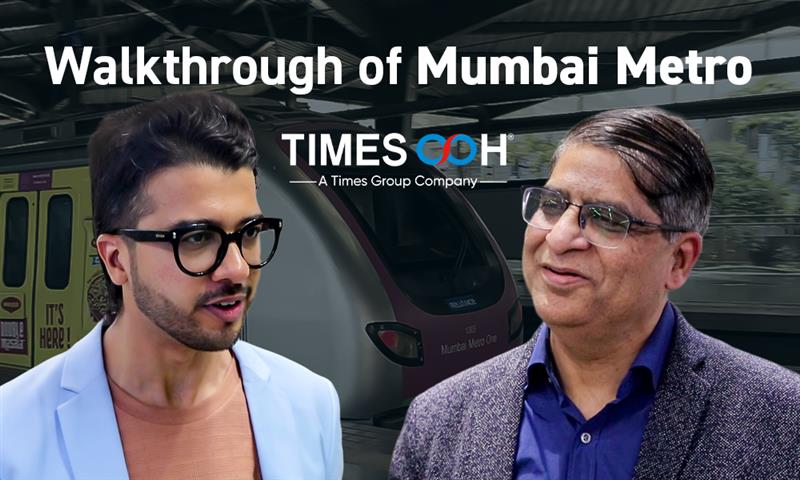
The Mumbai Metro is rapidly evolving beyond its primary function as a public transit system, transforming into a sophisticated, high-frequency environment that offers brands unique, controlled, and strategic advertising opportunities. In a recent industry walkthrough, Rohit Chopra, Chief Operating Officer of Times OOH, detailed how advertising is being strategically integrated across Mumbai’s metro network, focusing specifically on the established Line 1 (Versova-Ghatkopar) and the newly operational Line 3 (Aqua Line).
The Strategic Shift: From Transit to Brand Destination
According to Chopra, the metro’s core value for advertisers lies in its predictability. Unlike traditional outdoor advertising, where audience movement is fluid and often unpredictable, the metro environment offers a fixed, pre-determined flow of passengers. This allows brands to plan campaigns with unprecedented precision.
Key Pillars of the Strategy:
-
Segmented Engagement: Communication is tailored to the commuter’s state of mind. In high-speed transit zones, the focus is on bold, quick messaging, whereas “dwell areas” (concourses, waiting platforms) are utilized for deeper, more immersive storytelling.
-
The “Aqua Line” Premium Advantage: Line 3 offers a distinct, premium, and distraction-free environment. This allows for deeper audience engagement, utilizing advanced digital and interactive formats that stand out in a clutter-free setting.
-
Seamless Integration: The strategy moves beyond simple banners. It involves full station takeovers—integrating branding into architecture, signage, digital displays, and interactive kiosks—turning stations into recognized landmarks associated with specific brands.
Why Brands are Investing
The metro audience—comprising working professionals, students, and affluent commuters—is highly sought after by BFSI (Banking, Financial Services, and Insurance) brands, consumer goods, and lifestyle companies.
“Passenger flow is fixed and pre-determined, making it easier for brands to plan with precision. This also leads to repeat exposure, helping campaigns build stronger recall over time,” explains Rohit Chopra.
The Evolution of Formats
The advertising mix across these corridors is designed for 360-degree immersion:
-
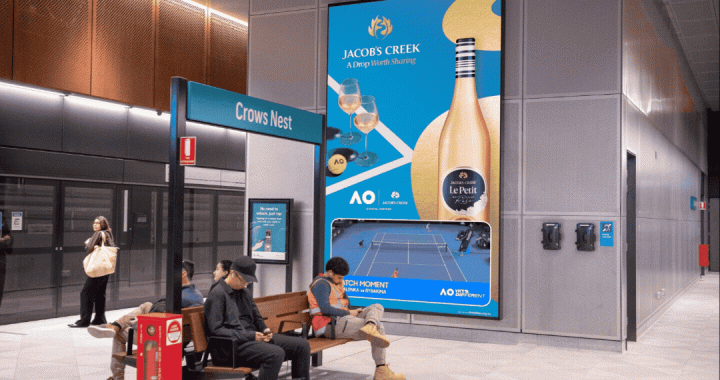
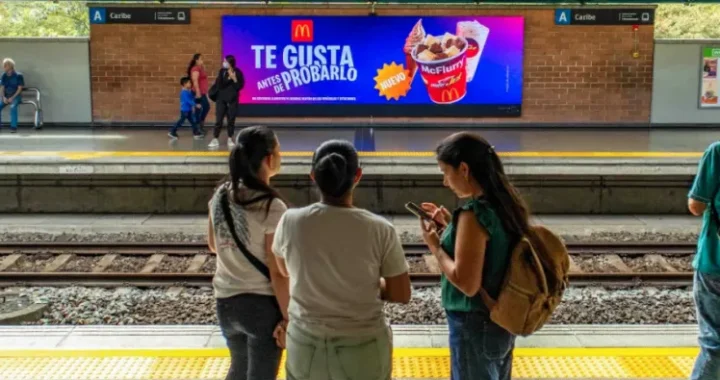
Digital OOH (DOOH): High-definition digital videowalls and screen networks that offer dynamic, real-time content capabilities.
-
Experiential Zones: Promo kiosks and interactive zones that allow for direct consumer engagement and lead generation.
-
Station Branding Rights: Exclusive partnerships where entire stations are themed around a brand, creating long-term visual equity and strong, consistent recall.
-
Train Wraps & Internal Branding: High-visibility wraps on the exterior and strategic placement of messaging on panels, seat backs, and route maps inside the coaches.
Source: Times OOH
Looking Ahead
The move toward tech-enabled, measurable media is the next frontier for transit advertising. As Times OOH continues to leverage these exclusive rights, the focus is shifting from simple visibility to accountability—measuring the impact of these campaigns on brand awareness, recall, and ultimately, consumer behavior. By transforming transit hubs into immersive brand experiences, Mumbai’s metro network is setting a new benchmark for how public infrastructure can effectively serve both the commuter and the marketer.