Grogu’s Forceful Takeover: Analyzing the Immersive DOOH Activation at Sankofa Square

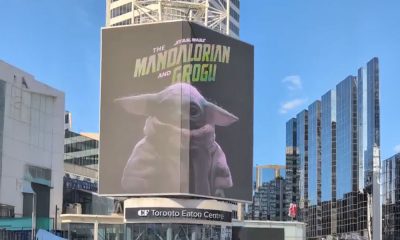
Water splashing in the air, a defiance of gravity, and a tiny green hand reaching out. This was the scene at Sankofa Square. Passersby stopped dead in their tracks to see Grogu use the Force to control the local fountains. The Grogu takes over Sankofa Square fountains in immersive OOH activation stunt proved that giant screens can do more than display static images. It changed how we look at city ads and pushed the limits of what a screen can do.
The Anatomy of Immersive OOH: What Happened at Sankofa Square?
Modern advertising is changing. It is moving away from flat posters and toward moments that feel real. The activation at Sankofa Square relied on clever tech to create a scene that felt like it existed in the real world.
The Digital Illusion: Blending Physical and Virtual Realities
The core of this stunt is anamorphic 3D. This tech uses perspective to trick your brain. When you stand at the right angle, a flat, corner-wrapped LED screen looks like a 3D box. The image of the fountain water extending from the screen into the real fountain created a seamless illusion. Artists mapped the video content to match the exact angles of the screen. This made it look like Grogu stood inside the fountain, lifting the water with his mind. It forced the audience to question where the screen ended and the fountain began.
Strategic Placement: Why Sankofa Square?
Location is everything in advertising. Sankofa Square is a high-traffic hub. It attracts tourists, business people, and local residents. By picking a site with a fountain, the brand added a layer of realism that a random wall could not provide. The fountain acted as an extension of the creative. It tied the digital character to the physical environment. This choice was smart because it matched the narrative of the stunt with the literal infrastructure of the city.
Leveraging Character Equity: Grogu as the Perfect Brand Ambassador
Some characters have immediate appeal. Grogu is one of them. He is cute, non-threatening, and globally recognized. Using such a well-known figure lowers the barrier to engagement. You do not need to explain who he is or what he does. The audience knows the “force” concept immediately. This familiarity helps the brand connect with viewers quickly. It turns a simple ad into a moment of pure fan joy.
Decoding the Experiential Marketing Strategy
Why do brands spend millions on a temporary screen stunt? The goal is to create an experience that lives beyond the street corner.
Driving Social Virality Through “Shareable Moments”
The entire stunt was built for phones. When you see something shocking in public, your first instinct is to record it. The creative team knew this. By putting Grogu in the fountain, they created a perfect photo op. People filmed the video, added their own reactions, and posted it to TikTok and Instagram. This created a cycle of free reach. The brand did not just pay for a billboard; they paid for a digital event that traveled around the world.
Measuring Impact: Beyond Impressions to Engagement
Old ads tracked how many people passed by. This activation tracks how many people stopped. Engagement metrics now focus on the quality of the reaction. We look at hashtag usage, the sentiment in comments, and how long people stayed to watch the loop. When thousands of people upload their own version of the video, it shows the campaign had a real impact. It turns an impression into a conversation.
The Role of Scarcity and Limited-Time Events
The stunt only ran for a short time. This is a classic tactic to drive urgency. When people hear something cool is happening, they want to see it before it ends. It creates a “fear of missing out” or FOMO. This urgency keeps people talking about the event. Once the screen goes back to normal ads, the event becomes a memory that people talk about for months. It changes the ad from a product pitch into a cultural moment.
Competitive Landscape: OOH Innovation in Entertainment Marketing
The entertainment industry is caught in a race to see who can build the most impressive digital stunt.
Precedent Setters: Other Landmark Immersive Installations
We have seen this trend grow in places like Times Square. Brands have used 3D screens to show cats, whales, and spaceships. These stunts broke the mold of standard advertising. The Grogu activation fits right into this trend but adds the layer of interaction with the fountain. It shows that brands are learning from each other and pushing the bar higher with every new project.
The Shift from Static Billboards to Dynamic Storytelling
Static billboards are static. They sit there and wait for you to look. This new style of Out-of-Home (OOH) advertising is dynamic. It tells a story. It has a beginning, a middle, and an end. The ad is not a sales pitch; it is a performance. This makes the brand feel more like a source of entertainment than a source of products. It is a smart way to get people to pay attention to ads voluntarily.
Expert Viewpoint: What Industry Leaders Say About 3D OOH
Industry analysts see this as a turning point. Experts note that as attention spans shrink, ads must become more intense to be noticed. High-quality 3D animations satisfy the brain’s need for novelty. There is more money going into these tech-forward installations every year. The industry is betting that digital spectacle is the future of public advertising.
Actionable Takeaways for Future Brand Activations
If you want to create a similar buzz, you need to think beyond the screen. Here are three ways to get it right.
Tip 1: Prioritize Sensory Overload
Do not just put a video on a loop. Think about the environment. If you have a fountain, use the water. If you have a busy street, use the sound. Your goal is to overwhelm the senses in a good way. The more the ad feels like it is part of the physical space, the more people will stop to look.
Tip 2: Seamless Digital Integration is Non-Negotiable
A cool video is not enough. You must give people a way to take the brand home. Include QR codes that lead to exclusive content. Create a hashtag that is easy to remember. Make sure that when people share their photos, the brand name is easy to find. The physical stunt is the lure, but the digital link is the hook.
Tip 3: Align IP Resonance with Location Context
Do not just pick a screen. Pick a place that makes sense for the character or product. Grogu works in a fountain because of the “Force” water-bending theme. If you are promoting a product, place it where the target audience lives or works. If the location does not support the story of the brand, the whole stunt will feel fake and forced.
Conclusion: The Future Landscape of Physical Advertising
The Sankofa Square activation proved that the gap between real life and digital content is closing. By combining a pop culture icon with 3D tech, the campaign achieved something rare: it made people stop, look, and share. This is the new benchmark for entertainment marketing. Brands that focus on creating memorable experiences instead of just showing ads will win the attention war. As tech gets better, we can expect to see even more wild, immersive stunts appearing in our city squares. The future of ads is not just about what you say; it is about what you can make people feel.