Global DOOH Spend Set to Cross $60B by 2026

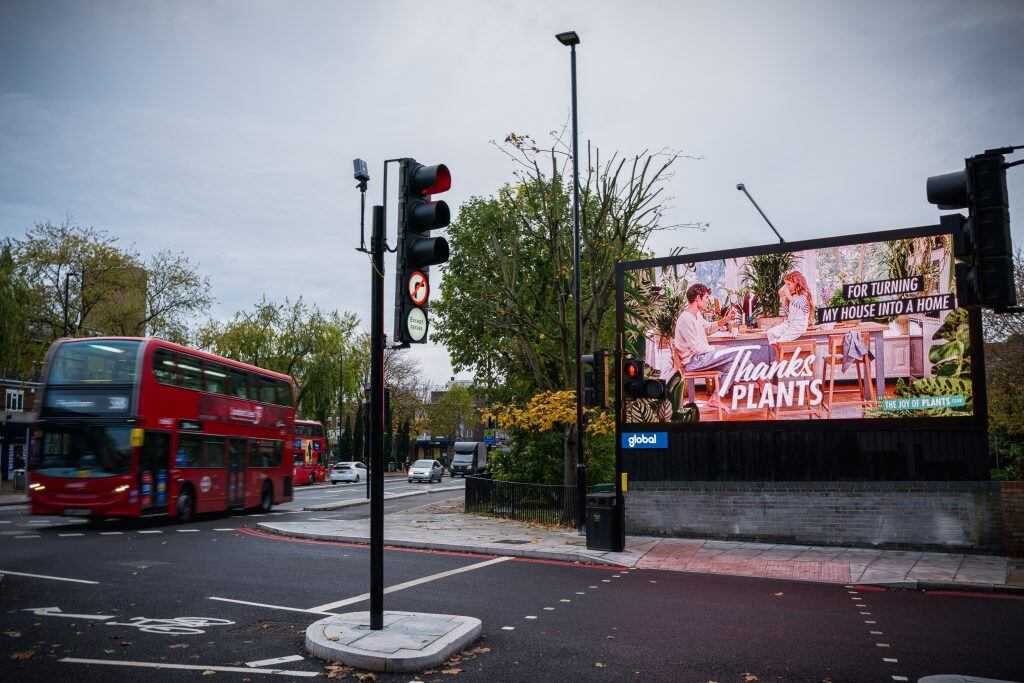
The era of the static paper billboard is officially winding down. As cities grow smarter and advertisers demand real-time agility, the out-of-home landscape is undergoing a massive financial transformation. In fact, global Digital Out-of-Home (DOOH) advertising spend is projected to skyrocket, pacing toward a historic $60 billion milestone by 2026.
What is driving this multi-billion-dollar shift? It isn’t just massive highway billboards anymore. Instead, the real momentum is happening right at eye level, spearheaded by the rapid deployment of smart vertical outdoor displays across the world’s most lucrative commercial zones.
Why Smart Vertical Kiosks are Dominating High-Traffic Zones
Traditional paper posters are fixed, easily damaged by the elements, and require manual labor to replace. Modern vertical outdoor kiosks, however, function essentially like ruggedized, giant smartphones built for the public square.
As a massive slice of that $60 billion global budget flows into physical infrastructure, media owners are rapidly scaling these hardware setups for several key reasons:
-
Sunlight-Defying Brightness (2000+ Nits): Direct sunlight used to wash out digital screens. Modern kiosks feature ultra-high brightness levels, ensuring content stays vivid, sharp, and highly readable even at high noon.
-
IP66 All-Weather Resilience: These units are built to survive harsh urban environments, carrying heavy-duty weather ratings that easily withstand powerful water jets, torrential rain, dust, and extreme temperature fluctuations.
-
The Smartphone Form Factor: Human beings are natively conditioned to consume content vertically thanks to our mobile devices. Vertical kiosks match this natural viewing habit perfectly, yielding significantly higher engagement rates.
-
Instant Programmatic Scale: With real-time remote management, media networks can update, tweak, or completely swap creatives across hundreds of screens instantly from a single dashboard—allowing brands to buy ad space programmatically just like they do online.
From Transit to Drive-Thrus: DOOH Value in Action
The commercial versatility of these digital displays is rewriting the rules of localized, contextual marketing. We are now seeing these smart vertical screens thrive across five major high-footfall environments:
-
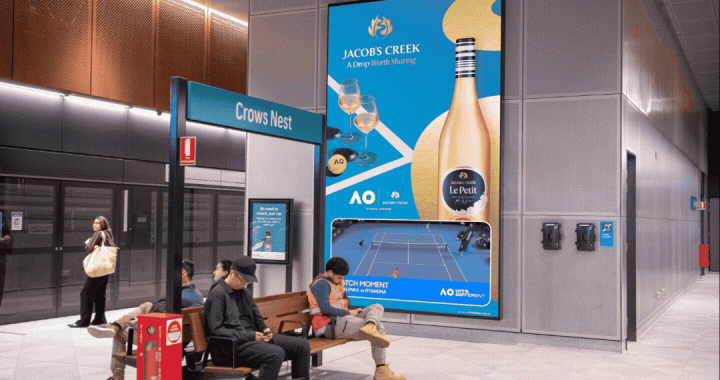
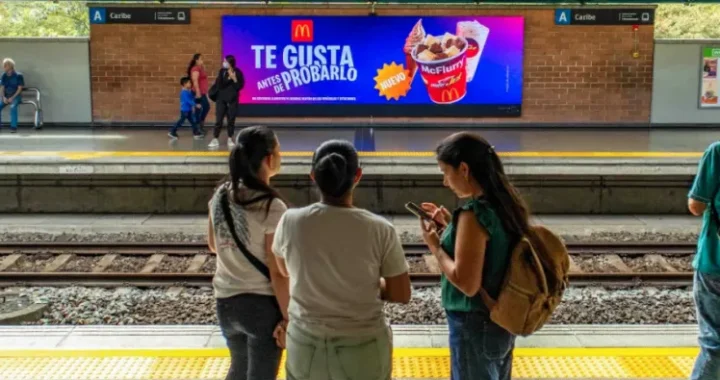
Transit Hubs & Bus Stops: Seamlessly blending utility with monetization by pairing real-time arrival schedules alongside dynamic programmatic ads.
-
QSR Drive-Thrus: Enabling fast-food chains to deploy digital menu boards that automatically update based on the time of day, weather, or current kitchen inventory.
-
Retail Storefronts: Giving physical brick-and-mortar stores the ability to sync window promotions with real-time stock levels.
-
Smart City Informational Kiosks: Offering tourists interactive maps and emergency alerts while running localized ad placements in the background.
-
EV Charging Stations: Capitalizing on “dwell-time engagement”—capturing the undivided attention of drivers waiting for their vehicles to charge.
The Bottom Line
With the DOOH market racing toward the $60 billion mark by 2026, the transition from physical print to dynamic digital inventory is no longer a future trend—it is the current baseline for modern media strategy. For brands and media buyers, the choice is becoming stark: stick with rigid, static print formats, or embrace the data-driven, high-yield world of programmatic DOOH.