Global DOOH Advertising Market to Reach $57 Billion by 2033

The global Digital Out-of-Home (DOOH) advertising market is on a strong growth trajectory, expected to surge from $20.74 billion in 2025 to nearly $57 billion by 2033, registering a robust CAGR of 13.5%, according to DataM Intelligence. This rapid expansion signals a major transformation in the out-of-home advertising landscape, as brands shift from traditional static formats to dynamic, data-driven digital communication. Advances in digital display technologies, programmatic media buying, and smart city infrastructure are playing a crucial role in accelerating this transition.
Shift Towards Smart, Data-Driven DOOH Advertising
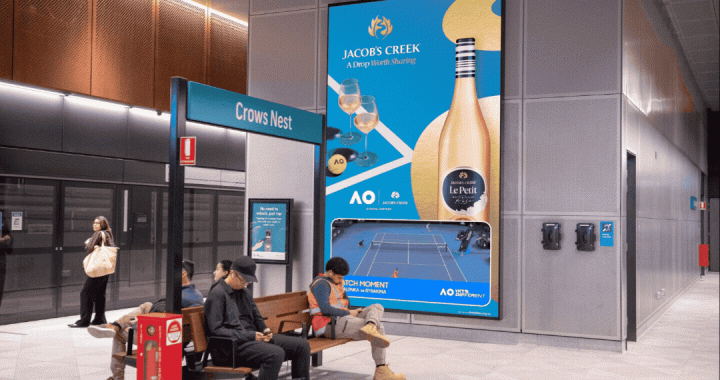
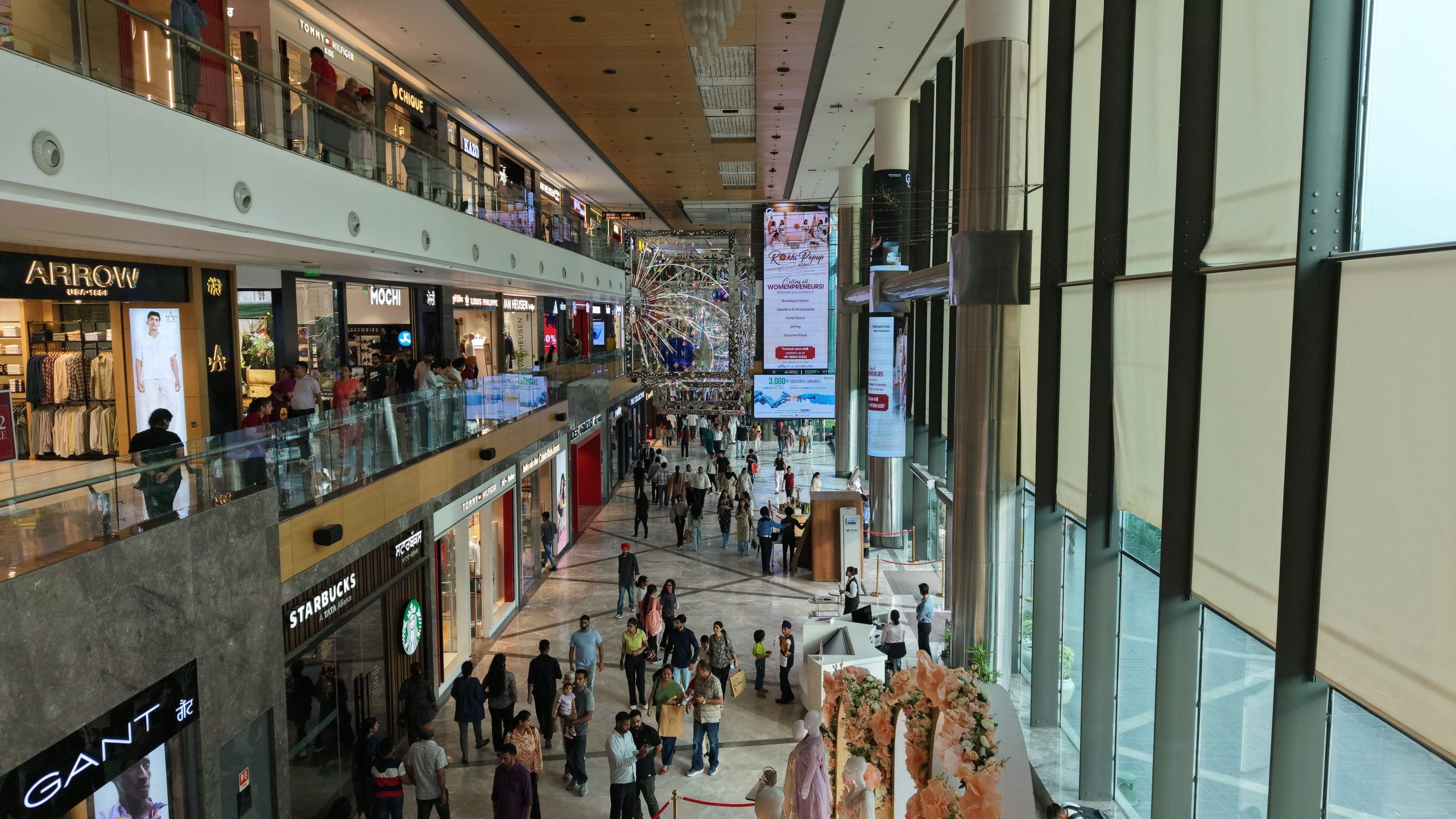
At the heart of this growth is the increasing adoption of digital formats such as digital billboards, transit displays, mall screens, and smart public installations. These platforms enable advertisers to deliver real-time, context-aware messaging tailored to audience behavior, location, and environmental triggers.
Unlike conventional outdoor advertising, DOOH offers unmatched flexibility—allowing brands to instantly update creatives, optimize campaigns based on live data, and personalize messaging for specific audience segments.
Programmatic DOOH Driving Efficiency and Precision
One of the key growth drivers is the rise of programmatic DOOH advertising, which automates media buying and enables real-time ad placements. This evolution brings the precision and agility of digital advertising into the OOH ecosystem, improving targeting accuracy while maximizing campaign performance.
AI and Data Analytics Reshaping Audience Engagement
The integration of artificial intelligence and advanced data analytics is further transforming the DOOH space. By leveraging mobility data, audience insights, and contextual signals, advertisers can create more relevant and engaging campaigns, leading to higher effectiveness and measurable outcomes.
Competitive Landscape: Global Players Strengthen Digital Capabilities
The global DOOH market remains highly competitive and fragmented, with major players such as JCDecaux, Clear Channel Outdoor, Lamar Advertising Company, OUTFRONT Media, and Broadsign leading the charge.
These companies are investing heavily in digital infrastructure, programmatic platforms, and data-driven solutions to strengthen their global footprint and enhance advertiser value.
Recent developments highlight this momentum. JCDecaux has expanded its network with high-resolution digital billboards and smart street furniture integrated with real-time data capabilities. Clear Channel Outdoor is advancing its programmatic-enabled display ecosystem, while Lamar Advertising Company is focusing on energy-efficient digital formats and improved audience measurement systems. Meanwhile, Ströer continues to invest in personalized, data-led DOOH solutions.
Market Breakdown: Formats, Locations, and Industry Adoption
From a format perspective, digital billboards dominate with a 40% market share, followed by video advertising (30%) and ambient formats (20%).
In terms of location, outdoor environments account for 65% of total market share, highlighting the continued importance of highways, transit hubs, and public spaces in delivering scale and visibility.
By industry vertical, retail leads with 25%, followed by transportation (20%) and food & beverages (15%), underscoring DOOH’s effectiveness in driving location-based engagement and consumer action.
Regional Insights: North America Leads, Asia-Pacific Accelerates
Regionally, North America holds the largest share at 35%, supported by advanced digital infrastructure and early adoption of programmatic technologies. The Asia-Pacific region accounts for 30%, fueled by rapid urbanization and expanding digital screen networks, while Europe captures 23%, driven by steady adoption of smart advertising ecosystems.
Future Outlook: DOOH Becomes a Core Media Channel
As cities become increasingly connected and data-enabled, DOOH is emerging as a critical pillar in modern media strategies. The convergence of technology, data intelligence, and infrastructure is redefining the medium—shifting it from simple visibility to precision targeting, real-time adaptability, and measurable impact.
With continued innovation and investment, the DOOH advertising market is set to play a central role in the future of global advertising.