Digital out of home dooh advertising Analytics, Dwell Time, Programmatic, and Audience Triggers

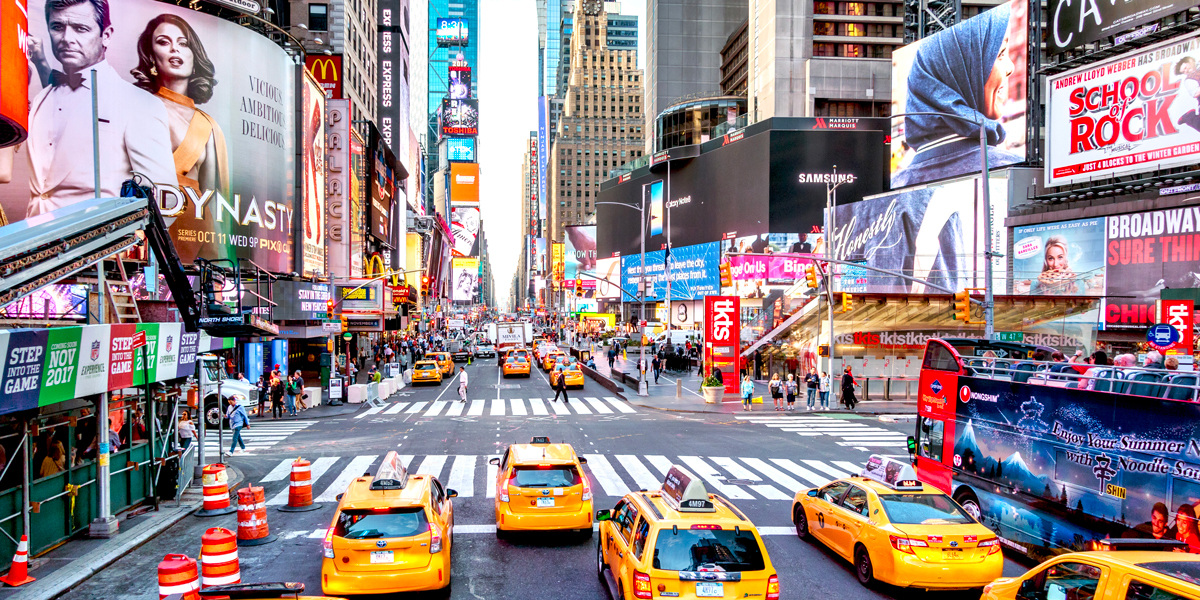
Digital Out-of-Home (DOOH) advertising has evolved into a data-driven powerhouse, blending physical screens with real-time analytics for measurable impact. Unlike static billboards, DOOH uses digital displays in high-traffic areas like malls, transit hubs, and streets to deliver dynamic, targeted campaigns.
Core Analytics Metrics
DOOH analytics go beyond impressions to track engagement precisely. Key metrics include impressions (estimated views), reach (unique viewers), and frequency (exposures per person). Foot traffic analysis reveals peak hours and audience flow using anonymized Wi-Fi or Bluetooth data. Campaign performance dashboards monitor click-through rates from QR codes and conversion tracking via linked mobile actions. These insights allow real-time adjustments, like swapping ads during low-engagement periods.
Understanding Dwell Time
Dwell time measures how long viewers linger in a screen’s view shed, confirming actual exposure rather than potential visibility. Sensors, cameras, or mobile signals calculate it—e.g., 15-30 seconds in retail equals high attention. Longer dwell correlates with better recall; indoor spots like elevators outperform roadside by 3-5x. Use it to optimize creative: dynamic videos hold attention 20% longer than static images. In programmatic setups, bids prioritize high-dwell locations.
Programmatic DOOH Explained
Programmatic DOOH automates ad buying via demand-side platforms (DSPs), using real-time bidding (RTB) for screens. Advertisers set parameters like location, time, or weather; supply-side platforms (SSPs) from networks match inventory. Benefits include 30-50% cost savings, dynamic creative optimization (e.g., rain-triggered umbrella ads), and omnichannel sync with mobile/social. In 2026, AI refines bids for 99% uptime and fraud prevention. Adoption grew 40% last year, favoring urban India like Ludhiana malls.
Audience-Based Triggers
Audience triggers activate ads based on detected demographics, behavior, or context without personal data. AI cameras (anonymized) spot age/gender; geofencing pings nearby devices for relevance. Examples: show family deals when kids pass or fitness ads near gyms. Triggers boost engagement 2x via personalization—e.g., weather APIs swap sunny beach promos for umbrellas. Integrate with CRM for retargeting: see a mall screen ad, get a store coupon. Privacy-compliant via aggregated insights.
Comparison of DOOH Strategies
| Strategy | Key Metric Focus | Tech Used | ROI Boost Example |
|---|---|---|---|
| Analytics-Driven | Impressions, CTR | Foot traffic, dashboards | 80% less unsold inventory |
| Dwell-Optimized | Attention duration | Sensors, eye-tracking | 50% higher recall |
| Programmatic | RTB efficiency | DSPs, SSPs, AI bidding | 30-50% cost reduction |
| Audience Triggers | Engagement rate | AI cams, geofencing | 2x interaction lift |
This table highlights trade-offs for scalable campaigns.
Real-World Impact
Case studies prove value: A UK firm cut booking times to under 2 minutes with analytics, slashing unsold slots by 80%. French compliance tools halved data load times, tracking hourly adherence. In retail, dwell-focused indoor DOOH drives 15-25% footfall lifts. For Punjab businesses, programmatic targets commuters on highways or shoppers in bazaars. Future trends: AR overlays and blockchain verification for transparent metrics. DOOH now rivals digital channels with 97% ad recall.