Top 5 Concrete Contractors in Florida

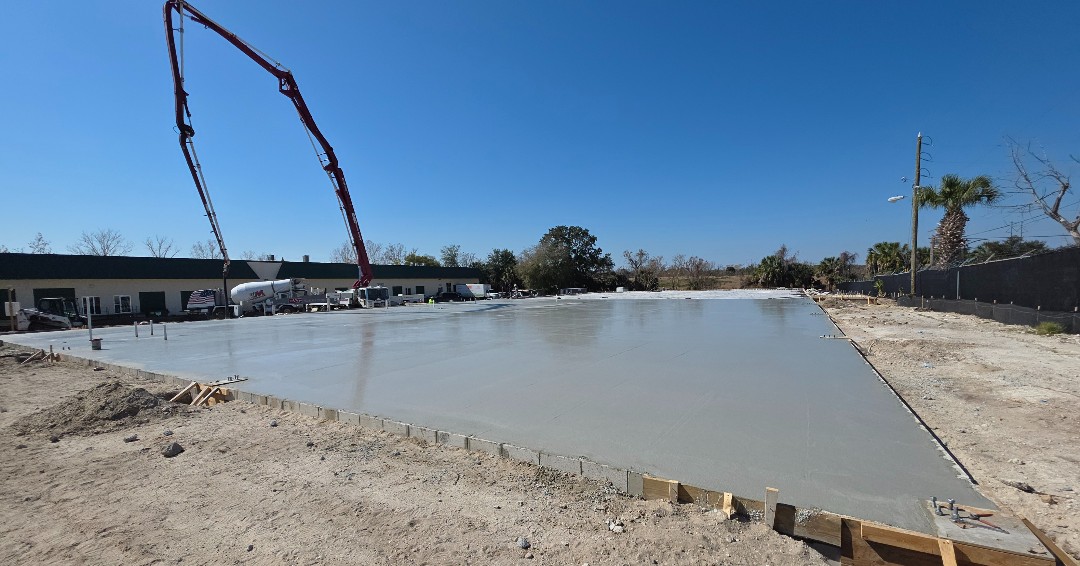
Concrete is one of the most important — and most permanent — investments you’ll make in a property. A driveway, foundation, or patio poured today will likely outlast the roof, the paint job, and possibly the person who ordered it. That permanence is exactly why picking the right contractor matters so much. A rushed pour, poor drainage planning, or low-grade mix can mean cracking, pooling water, or structural issues within a few short years.
Below is a closer look at some of the concrete contractors serving Florida communities, along with practical guidance on what actually separates a good concrete company from a mediocre one — so you’re not just taking a list at face value, but know how to vet any contractor yourself.
1. Miami Concreters — Miami, FL
Miami’s climate is uniquely hard on concrete. Between salt air, seasonal flooding, intense UV exposure, and hurricane-force winds, concrete work here has to be engineered differently than it would be in a drier, cooler state. Miami Concreters has built its reputation working within those constraints, handling everything from foundations to decorative finishes for both residential and commercial clients.
What to look for in this kind of work:
- Mix designs rated for coastal/humid conditions, since standard mixes can degrade faster near saltwater
- Proper rebar or wire mesh reinforcement to resist cracking from ground shifting
- Sealing recommendations suited to Florida’s rain patterns, not a generic sealant
A contractor that can speak specifically to why they’re using a certain mix ratio or curing timeline for Miami’s environment — rather than giving you a one-size-fits-all answer — is usually a sign of real field expertise, not just sales talk.
2. Stuart Concrete Contractors (Port St. Lucie Concrete Contractors) — Port St. Lucie, FL
Serving the Port St. Lucie area, Stuart Concrete Contractors handles both residential and commercial projects and has built a strong base of repeat and referral business — often one of the more reliable signals of quality, since concrete customers rarely need repeat work unless they’re recommending the contractor to someone else.
Questions worth asking a contractor like this before hiring:
- How do you handle expansion joints, and how far apart do you space them?
- What’s your curing process, and how long before the surface can bear weight or vehicle traffic?
- Do you offer a written warranty against cracking or settling, and what does it actually cover?
Contractors confident in their process usually answer these without hesitation. Vague or evasive answers are a red flag regardless of how polished their marketing looks.
3. Central Florida Concrete — Orlando, FL
Central Florida Concrete works across driveways, sidewalks, foundations, slabs, decorative concrete, and commercial work in the greater Orlando area. Orlando’s soil composition — often sandy with variable drainage — makes proper site prep (grading, compaction, and base material) just as important as the pour itself.
Why site prep matters more than most people realize: A beautiful concrete slab poured over poorly compacted soil will crack and shift within a year or two, no matter how good the concrete mix is. Ask any contractor what their base preparation process looks like — gravel base depth, compaction method, and moisture testing — before you ever discuss finish or color options.
4. Lakeland Concrete Contractors Co. — Lakeland, FL
Lakeland Concrete Contractors works across residential, commercial, and industrial projects and emphasizes licensing, safety compliance, and deadline reliability — details that matter more on larger or industrial-scale jobs where delays and safety lapses carry real financial and liability consequences.
Licensing and insurance — non-negotiables, not nice-to-haves: In Florida, concrete contractors performing structural work generally need to be licensed, and it’s worth confirming that license status directly through the Florida Department of Business and Professional Regulation (DBPR) license search tool rather than taking a company’s word for it. You should also confirm:
- General liability insurance
- Workers’ compensation coverage (protects you if a worker is injured on your property)
- Any required local permits pulled in your name or theirs before work begins
5. Florida’s Concrete Industry: What’s Changing
Concrete work across Florida has evolved noticeably over the last several years, driven by both climate demands and homeowner preferences:
- Stamped and decorative concrete has grown in popularity as an affordable alternative to pavers or natural stone, offering similar aesthetics at a lower material and labor cost.
- Reinforced commercial foundations are increasingly built to updated wind-load and flood-zone codes, especially post-Hurricane Ian building code revisions.
- Permeable and pervious concrete is gaining traction in areas prone to flooding, since it allows water to drain through rather than pooling on the surface.
- Integral color and texture mixes reduce the need for surface coatings that wear off over time, giving a more durable finished look.
A contractor who’s up to date on these trends — and can explain trade-offs between them — is generally more invested in doing quality, lasting work than one just quoting the cheapest standard pour.
How to Actually Compare Concrete Contractors
Rather than relying only on a list like this one, here’s a practical process for vetting any concrete contractor in your area:
- Verify the license. Search the contractor’s name or license number through your state licensing board.
- Ask for local references — not just testimonials. A company that’s done real work nearby should be able to give you an address or two you can drive by.
- Get itemized quotes. A detailed quote breaking down materials, labor, base prep, and finishing tells you far more than a flat number.
- Ask about weather contingencies. Florida’s rainy season can delay pours; ask how they handle rescheduling and curing in humid conditions.
- Clarify the warranty in writing. “We stand behind our work” means nothing without a specific, written scope and duration.
- Compare at least three quotes. Pricing can vary significantly for the same scope of work, and the cheapest bid is often the one cutting corners on base prep or mix quality.
Final Thoughts
The contractors above each bring something different to the table — coastal expertise in Miami, community trust in Port St. Lucie, broad service range in Orlando, and industrial-grade reliability in Lakeland. But no list can replace doing your own due diligence. Before signing with any concrete contractor:
- Confirm licensing and insurance directly with the state
- Request a written, itemized quote
- Ask specific technical questions about mix design, site prep, and curing
- Get the warranty terms in writing
- Talk to at least one past customer if possible
Concrete is a long-term investment — often a 20-to-30-year one. Taking the extra week to properly vet a contractor is a small price for avoiding a cracked driveway or a foundation issue down the road.

Sunil Kumar
458 PostsDigital Marketing, Lead Generation & Branding Expert With over 15 years of experience in digital marketing, lead generation, and branding, I specialize in creating and executing result-driven strategies that help businesses scale. My expertise spans across SEO, SEM, SMM, Meta Ads, Google Ads, and ATL/BTL marketing, ensuring businesses achieve maximum visibility and conversions.
View All Posts