Why Digital Marketing, OOH & DOOH Are Important for Real Estate Business

A few years ago, a real estate developer in Chandigarh launched a beautiful residential project. The location was perfect, the pricing was competitive, and the amenities were impressive. But months passed, and the sales team struggled to generate quality leads. They had put up a few newspaper ads and relied heavily on brokers, assuming that would be enough. But the market had already changed. One day, the developer noticed something interesting. A competing project, located just a few kilometers away, was suddenly getting a lot of attention. People were talking about it, visiting the site, and bookings were increasing rapidly. Curious, he decided to understand what they were doing differently. On his way to the office, he saw a large billboard on a busy road promoting that project. Later, while scrolling through social media, he came across their ad again. In the evening, at a nearby mall, a digital screen displayed a video of the same property with an attractive offer. That’s when it clicked—this wasn’t just marketing. This was a well-planned combination of Digital Marketing, OOH, and DOOH advertising working together.
The New Reality of Real Estate Buyers
Today’s real estate buyers don’t make decisions overnight. Their journey is long, emotional, and deeply researched. A young couple planning to buy their first home might first notice a billboard while commuting to work. The name of the project stays in their mind. Later that evening, they search for it on Google. They explore the website, check reviews, and maybe follow the brand on social media. Over the next few days, they start seeing ads again—on Instagram, YouTube, and even on digital screens in public places. Slowly, trust builds. Finally, they decide to visit the site. This is how modern real estate marketing works. It’s no longer about a single ad—it’s about multiple touchpoints creating one consistent experience.
Digital Marketing: Capturing Intent at the Right Moment
Digital marketing is where the real action begins. It connects you with people who are already thinking about buying a property. Imagine someone searching “2BHK flats near me” on Google. At that moment, they are not just browsing—they have intent. If your project appears in front of them right then, you have a strong chance of capturing that lead. But digital marketing goes beyond just search ads. It tells your story. Through videos, blogs, and social media posts, you can show what makes your project unique. You can highlight the lifestyle, the comfort, and the long-term value. Most importantly, digital marketing allows you to measure everything. You know how many people clicked, how many showed interest, and how many converted into leads. This clarity helps you improve continuously.
OOH Advertising: Building Trust in the Real World
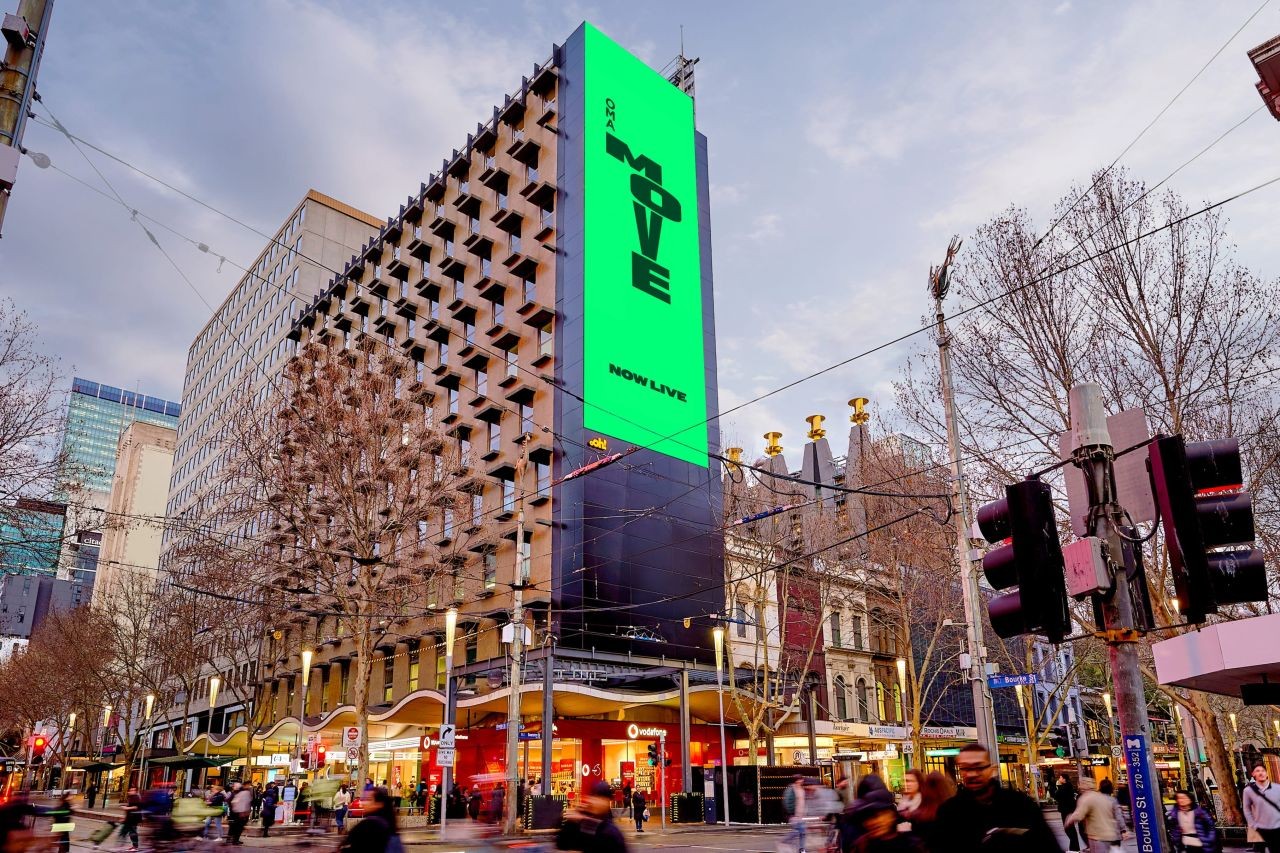
While digital marketing captures attention online, OOH advertising builds trust in the physical world. There is something powerful about seeing a large billboard on a busy road. It signals that the brand is serious, established, and confident. For real estate, where buyers invest their life savings, this trust is crucial. Imagine driving through a city and repeatedly seeing the same project advertised on major roads. Even if you are not actively looking to buy, the name starts becoming familiar. And when the time comes to make a decision, that familiarity often turns into preference. OOH also works exceptionally well near project locations. A person passing by your site and seeing a well-placed hoarding is far more likely to consider a visit. It acts as a constant reminder that “your future home could be right here.”
DOOH Advertising: The Smart Evolution of Visibility
Now imagine replacing that static billboard with a digital screen that changes content, shows videos, and displays offers in real time. That’s DOOH—Digital Out-of-Home advertising. DOOH takes everything powerful about OOH and makes it smarter. For example, in the morning, your ad can target office-goers with messaging like “Start your day in your dream home.” In the evening, it can change to “Visit our site today and book your future.” At a mall, a digital screen can showcase a walkthrough video of your property, giving potential buyers a glimpse of the lifestyle you offer. At an airport, it can target high-income or NRI audiences with premium project ads. This flexibility makes DOOH incredibly effective. It doesn’t just show ads—it delivers the right message, to the right audience, at the right time.
The Power of Combining All Three
Individually, digital marketing, OOH, and DOOH are powerful. But their true strength lies in how they work together. Think of it like this: A person sees your billboard while driving. Later, they see your digital screen at a mall. Then, they search for your project online and find your website. After that, they start seeing your ads on social media. Each interaction reinforces the previous one. By the time they contact your sales team, they already feel familiar with your brand. They trust you more. And that trust significantly increases the chances of conversion. This is what makes a multi-channel strategy so effective—it creates a continuous presence in the buyer’s journey.
Why Location and Public Places Matter So Much
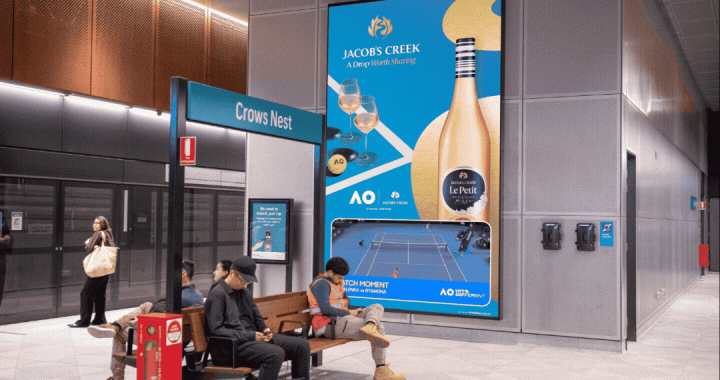
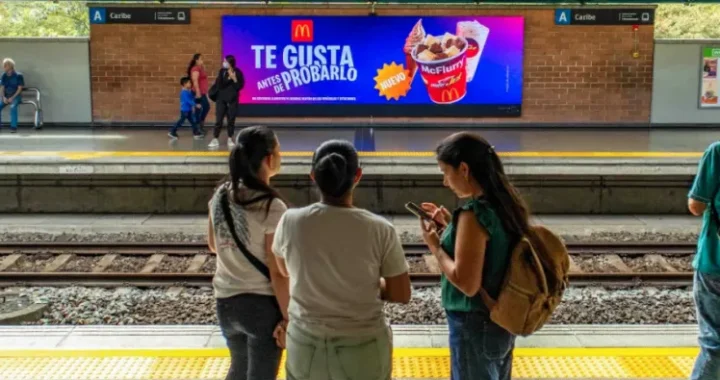
In real estate, location is everything—not just for the property, but also for marketing. A billboard placed on an empty road has little value. But the same billboard on a busy highway can generate thousands of impressions every day. Public places like metro stations, malls, corporate hubs, and airports are even more powerful. These are locations where people spend time, observe surroundings, and absorb information. A digital screen in a mall doesn’t just show your ad—it engages the viewer. A display at a metro station reaches thousands of daily commuters. An ad at an airport speaks directly to a premium audience. These environments create high-impact visibility, which is essential for real estate success.
From Visibility to Conversion: How It All Comes Together
Let’s go back to our developer from Chandigarh. After understanding the strategy of his competitor, he decided to change his approach. He invested in targeted digital campaigns, placed hoardings near key locations, and used DOOH screens in high-footfall areas. Within a few months, the difference was clear. Website traffic increased. Lead quality improved. Site visits went up. And most importantly, sales started picking up. What changed wasn’t just the marketing—it was the way the brand connected with its audience.
The Future of Real Estate Marketing
As cities grow smarter and technology advances, marketing will become even more data-driven and personalized. DOOH screens will become more interactive. Digital campaigns will become more precise. And buyers will expect even more seamless experiences. But one thing will remain constant—the need to be visible, trustworthy, and relevant.
Conclusion
Real estate is not just about selling property. It’s about selling a dream, a lifestyle, and a future. To do that effectively, you need to be present wherever your audience is—on their screens, on the roads they travel, and in the places they visit. Digital marketing helps you reach people when they are searching. OOH builds trust through constant visibility. DOOH enhances engagement with smart, dynamic content. Together, they create a powerful ecosystem that drives awareness, builds confidence, and converts interest into action. And in today’s competitive market, that’s not just an advantage—it’s a necessity.