The Rise of Digital Displays: Why Businesses Are Moving Beyond Static Signage

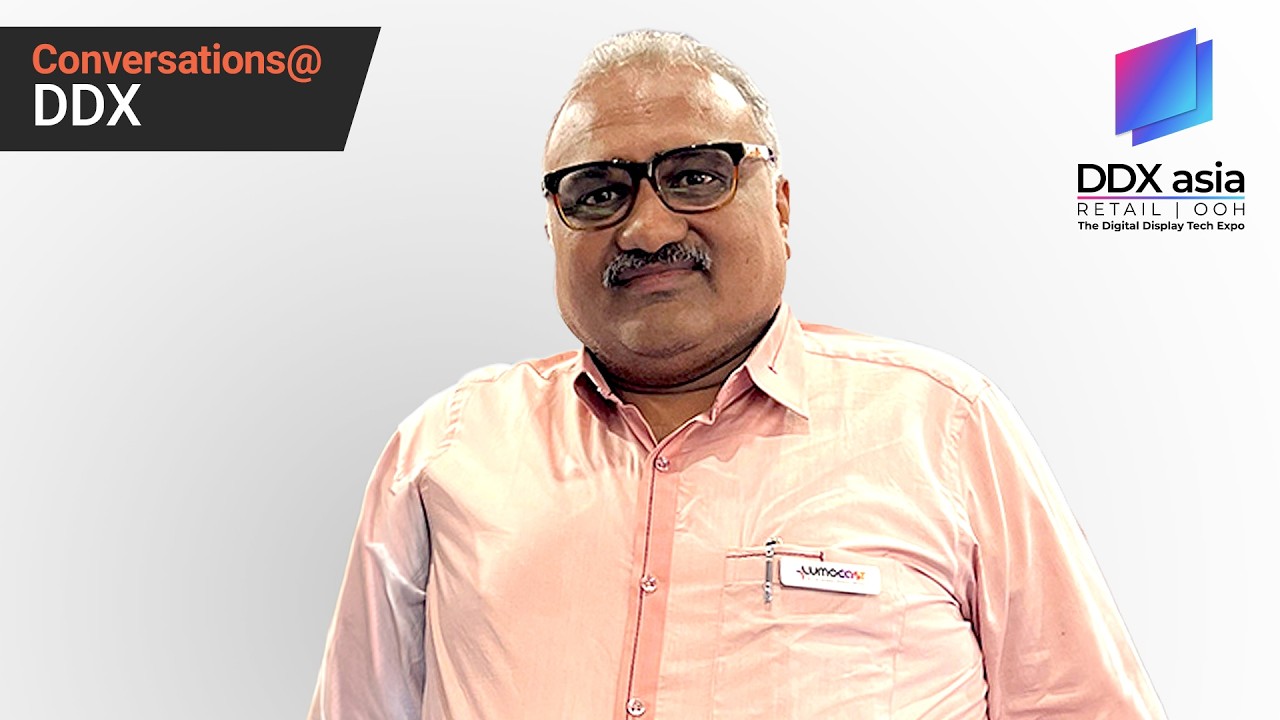
Walk into any modern retail store, bank, or airport today, and you’ll notice a clear shift—static posters are slowly disappearing, replaced by dynamic digital screens. This change isn’t just about looking modern; it reflects a deeper transformation in how businesses communicate with their customers. Chirag Shah, Director of Lumocast, points out that the demand for digital displays is growing rapidly, and for good reason. Businesses today need speed, flexibility, and efficiency—and traditional signage simply can’t keep up.
From Static to Smart Communication
In the past, updating a poster meant printing, shipping, and physically replacing it across locations. This process could take days, sometimes even weeks. In contrast, digital signage allows businesses to update content instantly.
Imagine a bank needing to announce a change in interest rates. With traditional signage, this update would be delayed across branches. But with digital displays, the message can be updated across all locations in real time—right from a mobile app or central system.
This ability to communicate instantly is one of the biggest reasons behind the growing demand.
A Smarter Investment in the Long Run
At first glance, digital displays may seem expensive. But when you look closer, they are actually more cost-effective over time.
For example, maintaining traditional signage in a single retail store can cost around ₹2 lakh per year when you factor in printing and logistics. Digital signage, on the other hand, is a one-time investment. Once installed, it eliminates recurring costs and reduces operational hassles.
Over a few years, the savings become significant—making it a smart financial decision for businesses of all sizes.
Better for the Environment
Another major advantage of digital displays is sustainability. Traditional signage relies heavily on paper and vinyl, which creates a large amount of waste.
Digital screens typically last between three to five years. During this time, they can replace hundreds—if not thousands—of printed materials. This shift helps reduce waste and supports eco-friendly business practices.
As companies become more conscious of their environmental impact, digital signage offers a practical way to go green without compromising on effectiveness.
Perfect for Modern Business Needs
Today’s consumers expect quick, clear, and engaging information. Digital displays make this possible by offering:
- Real-time updates
- Dynamic and visually appealing content
- Easy content management
- Consistent messaging across multiple locations
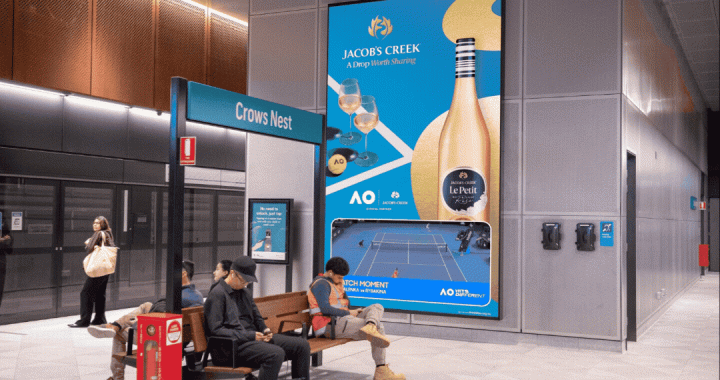
From airports and corporate offices to retail stores and government institutions, digital signage fits seamlessly into various environments.
The Future is Digital
The move from static to digital displays is not just a trend—it’s a necessary evolution. Businesses that adopt this technology are better equipped to communicate quickly, save costs, and operate sustainably. As Chirag Shah highlights, digital signage meets the modern need for speed and efficiency while also supporting long-term growth. In a fast-paced world, staying updated isn’t optional anymore—it’s essential.