Retail Marketers Push for Performance-Driven OOH Measurement

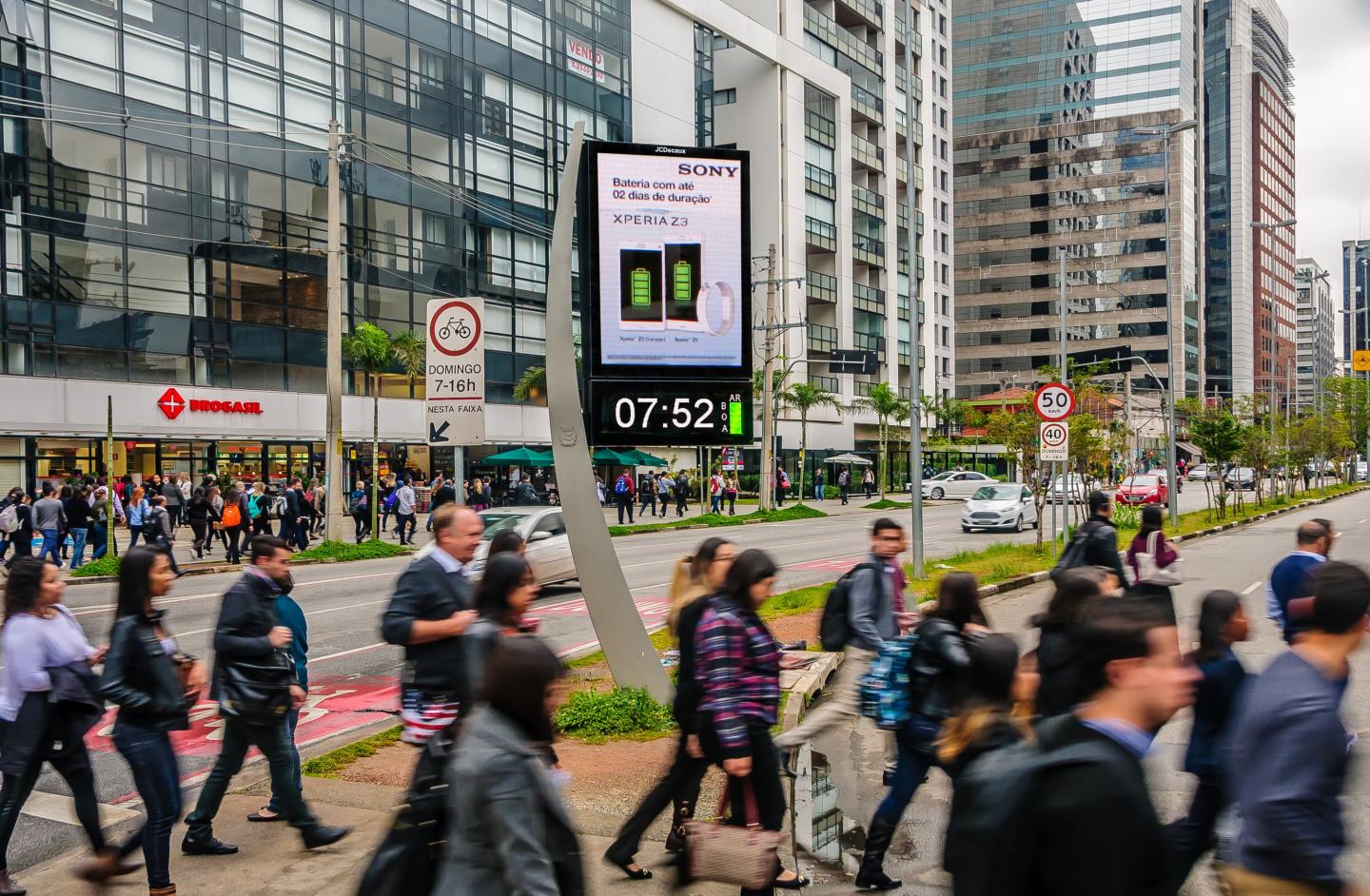
Out-of-Home (OOH) advertising is no longer just about brand visibility—it’s rapidly evolving into a performance-driven channel. However, for retail marketers, the absence of standardized measurement frameworks is slowing down its full potential and budget expansion. A recent study by Accretive, a leading OOH data and technology company, reveals a strong demand for accountability. The research, conducted among retail marketers across brands and agencies, found that a striking 86% believe the industry urgently needs standardized, performance-based measurement systems.
The Trust Gap Holding OOH Back
While confidence in OOH is growing, a clear trust gap still exists. Around 60% of retail marketers plan to increase their OOH investments this year. Yet, more than half (51%) continue to allocate less than 5% of their overall media budgets to the channel.
Why the hesitation? It largely comes down to transparency and data verification.
- 68% of marketers said they would boost OOH spending by at least 5% if audience data and impressions were more reliable.
- Among retail brands specifically, that number rises to 72%.
This highlights a critical issue: marketers are willing to spend—but only if they can trust the data.
From Awareness to Real Business Impact
Retail marketers are shifting away from traditional awareness metrics and focusing on tangible business outcomes. According to Accretive’s CEO Craig Benner, the goal is clear—drive people into stores, not just impressions.
Foot traffic has now emerged as the most important success metric for retail OOH campaigns.
- 27% of retail brands rank foot traffic lift as their top KPI
- 43% cite poor-quality data as the biggest barrier to achieving measurement parity with channels like CTV and mobile
This signals a major shift—OOH is being evaluated on real-world impact, not just visibility.
Data-Driven Targeting Gains Momentum
Modern retail marketers are becoming increasingly data-centric in their OOH strategies.
- Nearly 30% rely on retail and point-of-sale (POS) data for targeting decisions—more than any other data source
This approach allows brands to connect physical advertising with actual consumer behavior, bridging the gap between online insights and offline actions.
A Missed Opportunity in Retail Media Networks (RMNs)
Retail Media Networks (RMNs) are booming, yet OOH remains underutilized within this ecosystem.
- 48.5% of marketers consider OOH highly effective for driving traffic to digital retail platforms
This suggests a major opportunity for brands to integrate OOH into their broader omnichannel strategies—especially by linking physical exposure with digital engagement.
The Social Amplification Effect
OOH isn’t just a standalone channel—it enhances the performance of other platforms too.
- 62% of marketers agree that OOH amplifies social media campaigns better than any other channel
From billboard selfies to geo-targeted campaigns, OOH plays a powerful role in boosting online conversations and engagement.
Key Challenges Slowing Growth
Despite positive sentiment, several barriers are preventing OOH from becoming a core strategy for retail marketers:
- Inventory Quality: 49% say limited access to high-quality, scalable inventory is a major issue
- Execution Complexity: 42% struggle with the operational challenges of running OOH campaigns
- Knowledge Gap: 45% of brand-side marketers lack the expertise needed to scale OOH investments effectively
The Road Ahead: Standardization is the Key
The message from retail marketers is clear—OOH has massive potential, but it needs better measurement standards to unlock it.
By improving data accuracy, enabling transparent reporting, and aligning with performance metrics like foot traffic and sales impact, the OOH industry can position itself alongside digital channels like CTV and mobile.
As retail media continues to evolve, integrating OOH into a performance-driven ecosystem could be the next big leap—connecting digital signals with real-world consumer actions.
Final Thought:
OOH is no longer just about being seen—it’s about being measured, optimized, and delivering results. The sooner the industry embraces standardized performance metrics, the faster it can unlock significant retail ad spend.