How DOOH Advertising Works for Brands: A Complete Guide by DOOH Digital

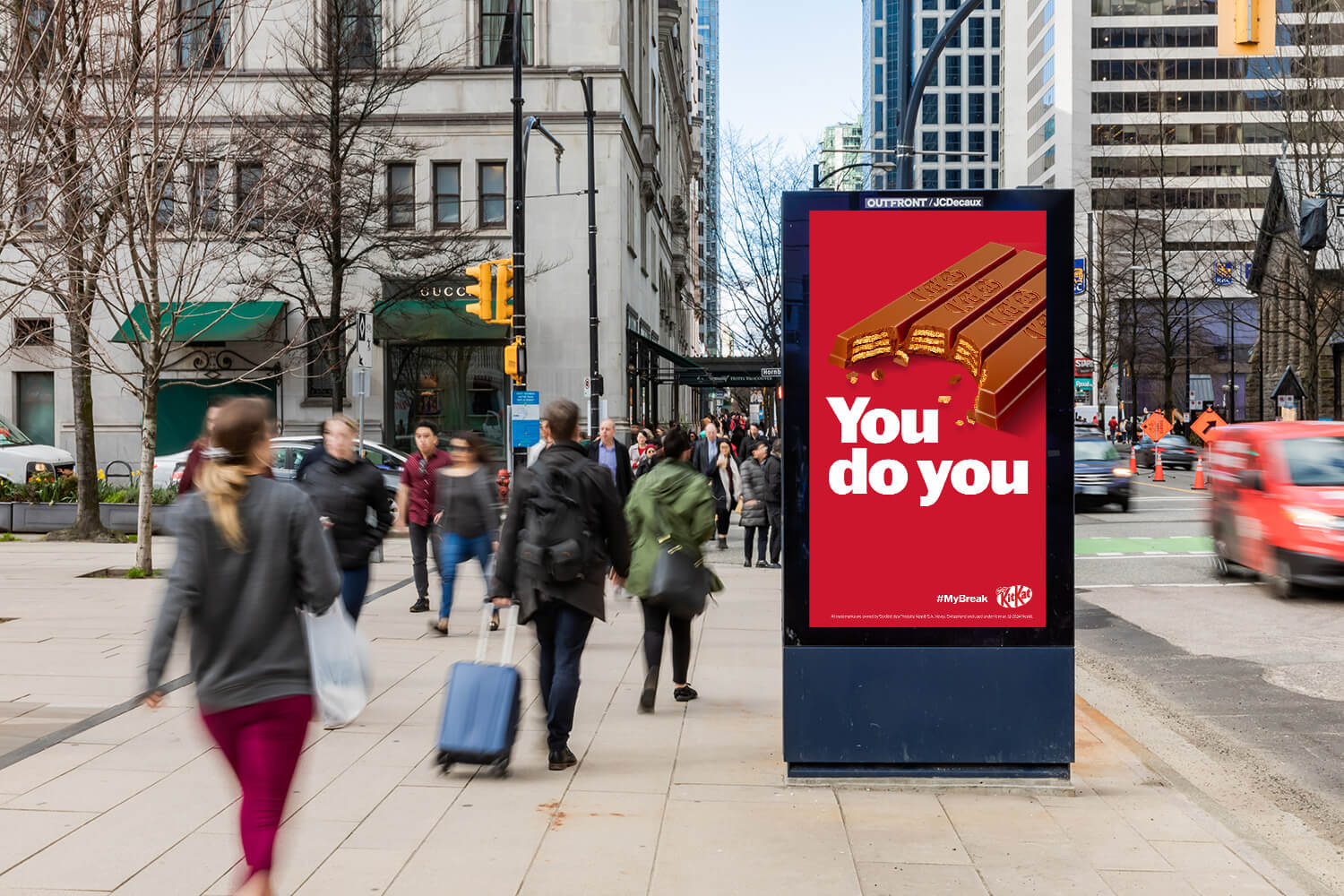
Digital Out-of-Home (DOOH) advertising is no longer just an evolution of traditional billboards—it represents a structural shift in how brands communicate in the physical world. As cities become more digitized and consumer attention fragments across platforms, DOOH emerges as a hybrid medium that combines the scale of outdoor media with the intelligence of digital advertising systems. Globally, this shift is not marginal—it is exponential. The DOOH market, valued at around $18.8 billion in 2022, is projected to exceed $58 billion by 2030, signaling a major reallocation of advertising budgets toward data-driven outdoor media. This growth reflects a deeper transformation: brands are no longer buying space—they are buying context, attention, and measurable influence in real-world environments.
The Structural Foundation of DOOH
At its core, DOOH operates as a one-to-many broadcast system enhanced by digital infrastructure. Unlike traditional OOH, where static creatives remain fixed for weeks, DOOH uses networked digital screens that allow content to be updated, optimized, and distributed in real time across multiple locations.
These screens exist across urban ecosystems:
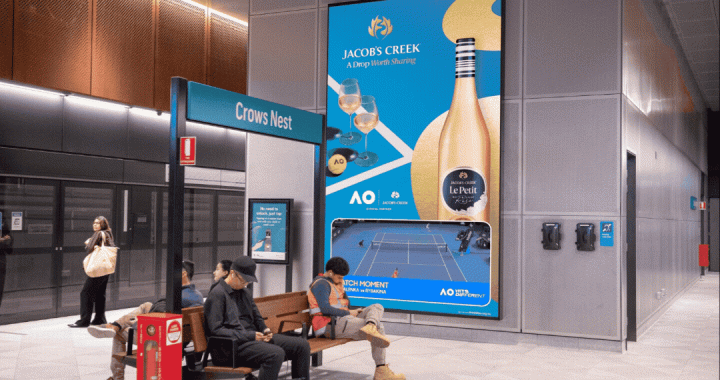
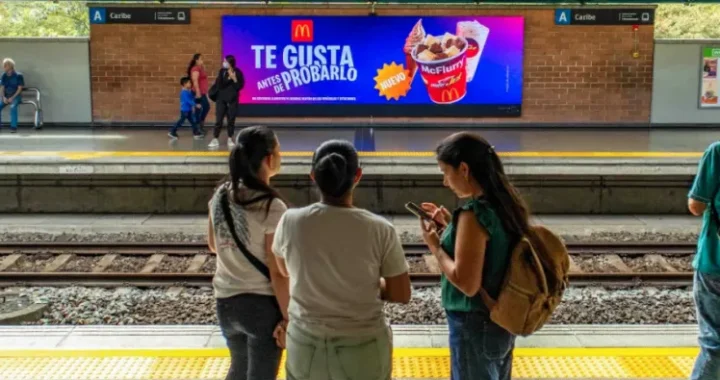
- Transit networks (metros, airports, highways)
- Retail environments (malls, stores, fuel stations)
- Corporate and residential hubs
What differentiates DOOH is not just digitization, but connectivity. Each screen is part of a centralized system where campaigns can be controlled, modified, and scaled instantly.
This transforms outdoor media into a programmable environment, where messaging is no longer static but responsive.
The Mechanics: How DOOH Actually Works
1. Audience Mapping in Physical Space
Unlike digital ads that target users through cookies or IDs, DOOH targets movement patterns.
Brands rely on:
- Mobility data
- Traffic density
- Behavioral heatmaps
This allows advertisers to understand where attention exists, rather than who the individual is.
For example:
- A business district screen targets professionals during peak hours
- A mall screen targets shoppers with high purchase intent
This shift from identity targeting to location intelligence is one of DOOH’s defining principles.
2. Programmatic Infrastructure and Real-Time Buying
One of the most significant innovations in DOOH is the integration of programmatic technology.
Programmatic DOOH allows brands to:
- Buy ad inventory in real time
- Adjust campaigns dynamically
- Optimize spend based on performance signals
This brings outdoor advertising closer to digital ecosystems like Google Ads—but with a critical difference: the audience is physically present, not scrolling.
Campaigns can be adjusted based on:
- Time of day (dayparting)
- Demand spikes
- External triggers like weather or events
This level of flexibility was impossible in traditional OOH.
3. Dynamic Creative Optimization (DCO)
DOOH enables context-aware storytelling, where creatives adapt in real time.
Examples include:
- Weather-triggered ads (cold drink vs hot beverage)
- Time-based messaging (breakfast vs dinner promotions)
- Event-based creatives (sports wins, festivals, traffic conditions)
Research shows that contextual relevance can increase ad effectiveness by approximately 17%, demonstrating how real-time adaptability enhances engagement.
This transforms advertising from interruption to situational relevance.
4. Guaranteed Visibility in a Fragmented Media World
One of DOOH’s strongest advantages lies in its unavoidable presence.
Unlike digital ads:
- It cannot be skipped
- It cannot be blocked
- It exists in high-attention physical environments
This results in:
- 62% of consumers noticing digital billboards monthly
- Around 82% ad recall rates for DOOH content
In a world where digital fatigue is rising, DOOH reclaims public attention at scale.
5. Measurement and Attribution: From Estimation to Intelligence
Historically, OOH struggled with measurement. Today, DOOH is closing that gap through data integration.
Modern DOOH campaigns measure:
- Impressions (estimated through mobility data)
- Dwell time (how long audiences are exposed)
- Footfall attribution (store visits after exposure)
- Mobile actions (searches, website visits, app downloads)
Studies show:
- 74% of users take action on mobile after seeing a DOOH ad
- 76% of consumers take some form of action post exposure
Additionally:
- 65% of consumers take action after viewing DOOH ads
- DOOH delivers up to 2.3x higher brand recall than standard digital formats
This indicates that DOOH is not just an awareness tool—it is increasingly a behavioral driver.
The Strategic Role of DOOH in the Marketing Funnel
DOOH operates differently from performance channels like search or paid social. Its strength lies in upper and mid-funnel impact, but with growing influence on lower-funnel actions.
Awareness Layer
- Massive reach (up to ~65% of urban populations daily)
- High visual impact
Consideration Layer
- Contextual messaging increases relevance
- Repeated exposure builds familiarity
Action Layer
- Mobile integration drives search and visits
- Location-based cues influence store footfall
In modern marketing ecosystems, DOOH acts as a bridge between physical exposure and digital action.
The Psychology Behind DOOH Effectiveness
DOOH works because it aligns with human attention behavior in the real world.
Key psychological drivers include:
1. Passive Attention Capture
People do not “choose” to see DOOH—it exists in their environment.
2. Repetition Through Movement
Daily commutes create repeated exposure, reinforcing memory.
3. Scale and Dominance
Large-format screens create a sense of authority and trust.
4. Contextual Relevance
Messages aligned with environment feel more natural and less intrusive.
This combination results in:
- 73% of consumers viewing DOOH ads favorably compared to other media
The Omnichannel Multiplier Effect
DOOH does not operate in isolation—it amplifies other channels.
A typical consumer journey:
- Sees a DOOH ad in a city
- Searches for the brand later
- Engages via mobile or social
- Converts online or offline
Research confirms:
- DOOH exposure significantly increases mobile search and online engagement
This makes DOOH a trigger medium, initiating actions across platforms.
Challenges and Industry Realities
Despite its growth, DOOH is not without limitations.
1. Measurement Standardization
Different networks use different metrics, creating inconsistencies.
2. Inventory Quality Variation
Not all screens deliver equal impact—location, size, and visibility matter significantly.
3. Attribution Complexity
Unlike digital ads, direct conversion tracking remains probabilistic.
Industry discussions also highlight concerns around:
- Transparency in reporting
- Variability in pricing and performance metrics
These challenges indicate that DOOH is still evolving toward full accountability and standardization.
The Future of DOOH: Intelligent, Integrated, Immersive
The next phase of DOOH will be defined by:
AI and Automation
Smarter targeting, predictive optimization
3D and Experiential Formats
Immersive visuals increasing engagement
Smart City Integration
Screens connected to urban data ecosystems
Programmatic Expansion
More accessible and scalable buying models
As digital and physical worlds merge, DOOH is positioned to become a core infrastructure of urban communication.
Conclusion
DOOH advertising works for brands because it solves a fundamental modern challenge: how to capture attention in a distracted world.
It does this by combining:
- Physical presence
- Digital intelligence
- Contextual relevance
- Measurable impact
More importantly, it redefines advertising from interruption to integration within everyday life. For brands, DOOH is no longer just about being seen—it is about being present at the right moment, in the right place, with the right message. And in the evolving landscape of media, that presence is becoming one of the most valuable assets a brand can own.

Sunil Kumar
462 PostsDigital Marketing, Lead Generation & Branding Expert With over 15 years of experience in digital marketing, lead generation, and branding, I specialize in creating and executing result-driven strategies that help businesses scale. My expertise spans across SEO, SEM, SMM, Meta Ads, Google Ads, and ATL/BTL marketing, ensuring businesses achieve maximum visibility and conversions.
View All Posts