How 3D and Animated DOOH Ads Are Crushing Static Billboards

Data doesn’t lie: out-of-home (OOH) advertising isn’t just about finding a good roadside location anymore. It’s about movement. A groundbreaking new research report titled “Science in Motion”—released by Vistar Media in partnership with Omnicom Media and JCDecaux—reveals that adding motion and 3D elements to Digital Out-of-Home (DOOH) campaigns massively amplifies their effectiveness. Conducted in the Netherlands with over 7,500 participants, the study used natural viewing conditions (everyday outdoor environments) to track how real people respond to different digital ad formats. The results show a massive shift in how brands should approach creative strategy.
The Core Data: Motion vs. Static
If you are still running purely static digital billboards, you are leaving massive brand lift on the table. When compared directly to static creatives, motion-based DOOH delivered eye-popping performance spikes:
-
Ad Recall: Increased by an average of 33%.
-
Brand Awareness: Rose by nearly 50%.
How the study worked: Participants watched video footage of normal outdoor scenes featuring DOOH screens without being told to look at the ads. Their subsequent brand recall and message retention were measured via surveys.
3D DOOH: The Ultimate Memory Hook
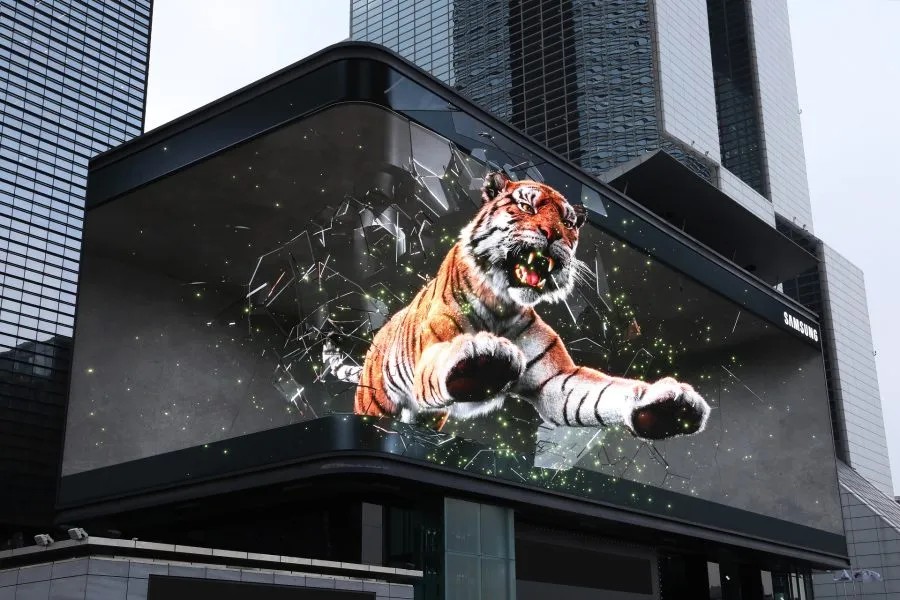
The absolute star of the study was 3D creative formatting. While 3D ads require more technical execution, their payoff in audience memory is unparalleled.
-
Top-of-Mind Awareness (TOMA): 3D creatives generated the strongest TOMA, hitting a 10% uplift compared to control groups.
-
The Static Killer: 3D campaigns were 67% more effective at driving brand awareness than traditional non-motion formats.
Interestingly, the study uncovered a surprising generational twist. While younger audiences (ages 18–34) responded best to overall motion, 3D formats performed exceptionally well among older viewers aged 50–65, proving highly effective at building spontaneous recall in this demographic.
Subtle Motion & Full Motion: What’s the Difference?
You don’t need a Hollywood budget to see a return on your digital creative. The report broken down the value of different motion tiers:
1. Subtle Motion (The Budget-Friendly Winner)
Simple animations—like a gently rotating product or a moving logo—deliver highly efficient results. You get a powerful lift in brand recognition without expensive production costs or long development timelines.
2. Full-Motion (The Attention Grabber)
In busy public spaces, full-motion creatives are king. They achieved an 18% uplift in spontaneous ad recall compared to control groups, proving they excel at snatching fast, real-world attention.
Don’t Count Static Out Just Yet
Despite the massive wins for animation, static DOOH is far from dead. The research showed static ads still achieved a 38% uplift in aided ad recall.
Martine Hammink, VP of Creative Studio & Creative Solutions at Vistar Media, noted that practical roadblocks like production budgets, tight timelines, and local safety regulations (especially along highways where motion is restricted to prevent driver distraction) mean static ads still play a critical role. Premium screen placement alone carries significant weight.
The Cheat Sheet: Matching Format to Your Goals
Vistar Media designed this research to act as a strategic blueprint for media planners and ad agencies. Use this quick guide to match your campaign goals to the right creative format:
| Campaign Goal | Best Creative Format |
| Broad Recall & High Compliance | Static Ads |
| Efficient, Budget-Friendly Awareness | Subtle Motion (Moving Logos/Products) |
| Rapid Attention in Busy Hubs | Full-Motion Creaties |
| Long-Term Memorability & Emotional Impact | 3D Creatives |
As DOOH inventory expands globally, targeting and screen placement are no longer enough to win the market. Creative strategy is the new battleground for consumer attention.