From Billboards to Intelligent Screens: How India Is Rapidly Evolving From Ooh to DOOH

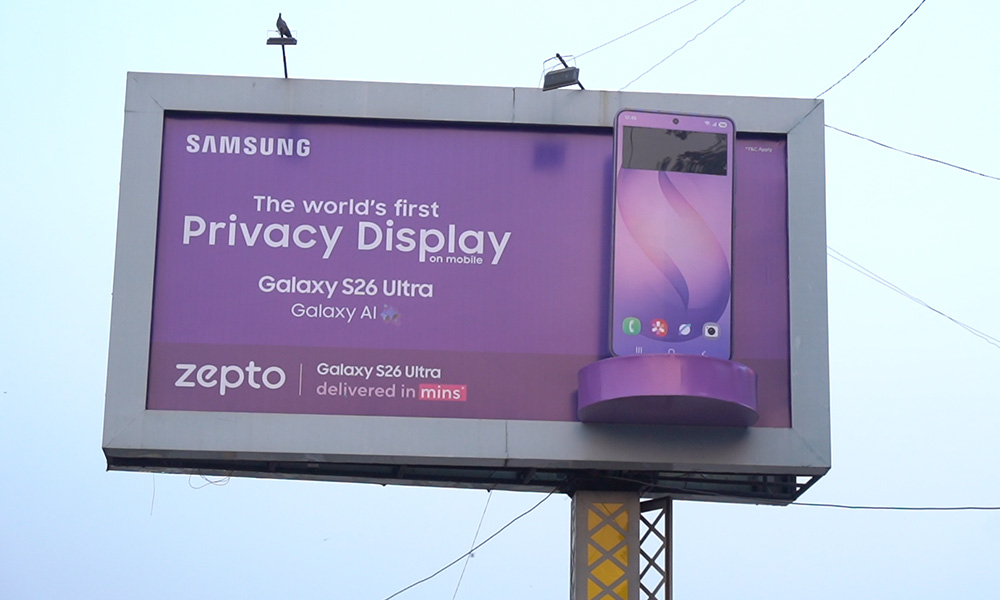
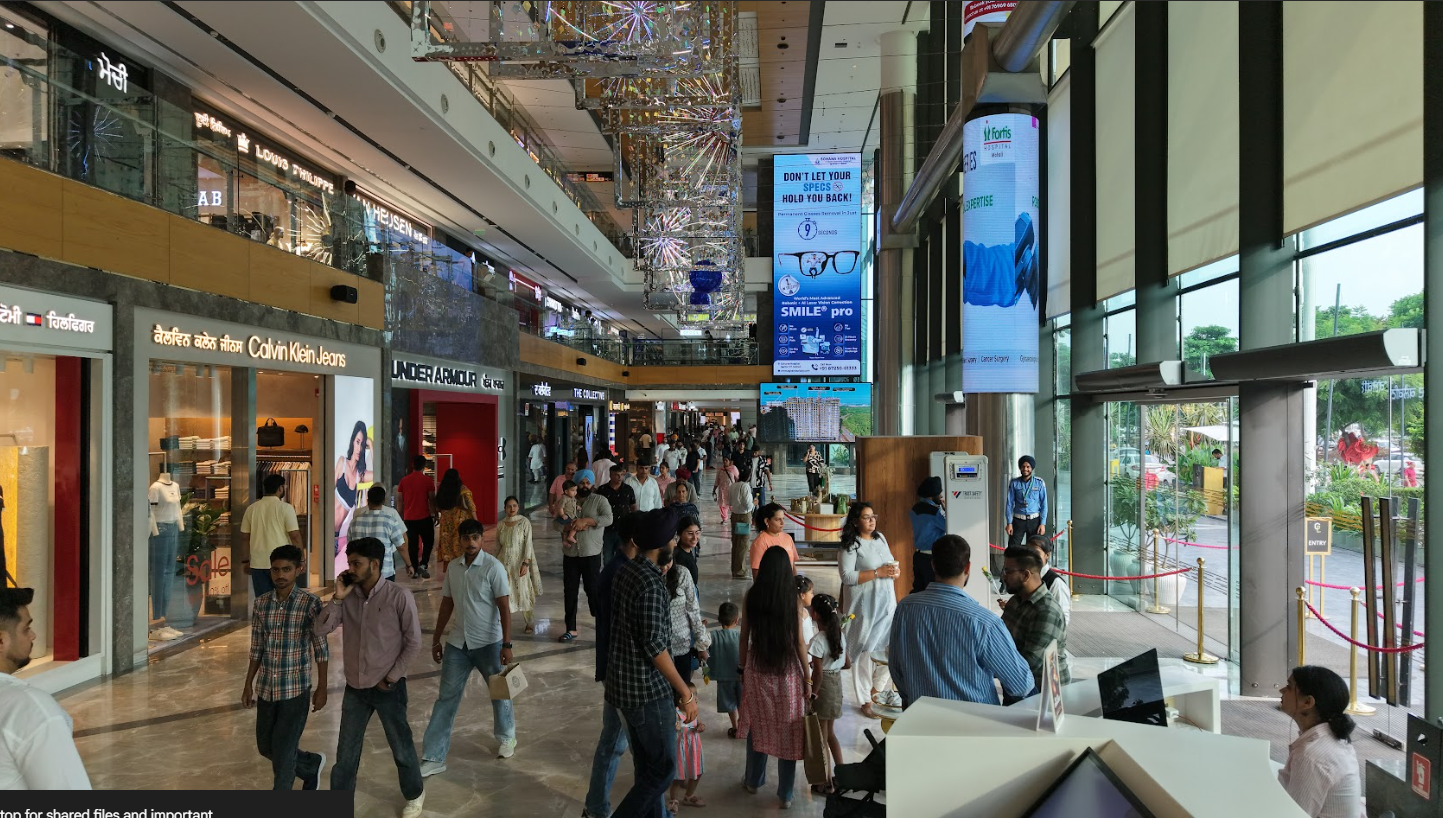
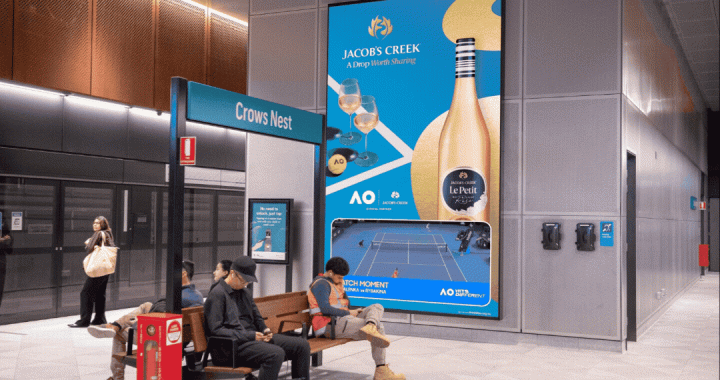
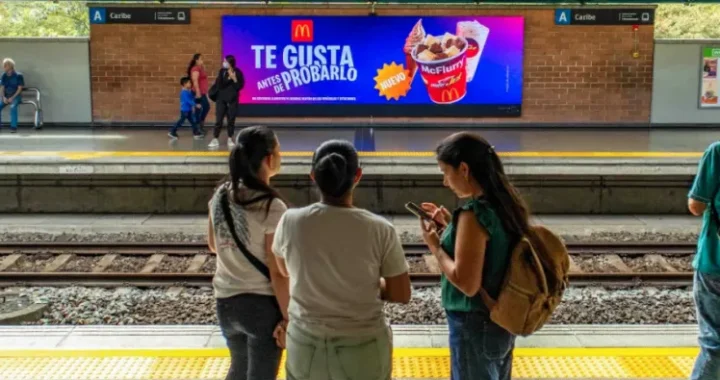
A luxury apartment campaign can now showcase walkthrough videos, limited-period offers, and project highlights across high-footfall screens. A retail brand can push flash sale messaging during evening shopping hours alone. For media owners, too the economics are changing. One digital screen can host multiple advertisers on rotating loops, creating recurring monetization without repeated printing and installation costs. This makes DOOH not just a branding asset, but a scalable digital publishing platform in public spaces.
However, India’s transformation is not about replacing OOH entirely. Traditional outdoor media will continue to dominate highway branding, political visibility, and tier-2 mass reach. The real future lies in hybrid outdoor ecosystems where billboards create scale, digital screens create engagement, and mobile retargeting creates conversion. In the coming decade, India’s roads will no longer remain silent display surfaces. They will become intelligent communication channels capable of adapting to consumer movement, campaign urgency, and contextual storytelling. The transition from OOH to DOOH is therefore not just media modernization; it is the digital awakening of India’s public attention economy.
Written by Author Jyothish Naidu