Brand Central Station: New Metrics Prove the Power of Integrated DOOH Activations
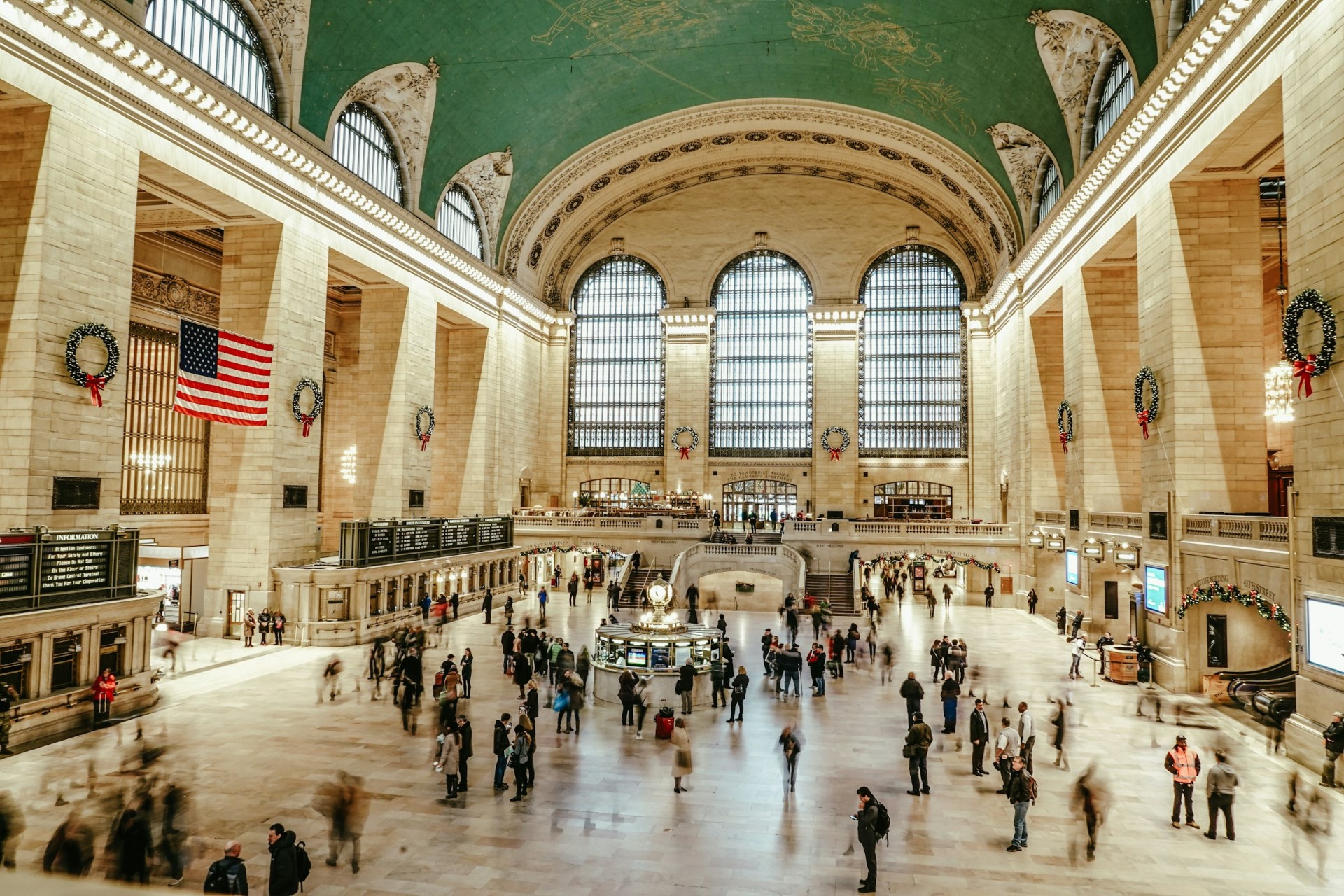
When 1.6 million people pass through a single space every single week, you don’t just have a transit hub—you have a captive audience ecosystem. Layer in an average dwell time of 60 minutes, and the potential for deep engagement skyrockets.
But how do you actually capture that audience when they have an hour to kill?
Recent data reveals that 77% of consumers hold a positive attitude toward brand activations in central station environments. They aren’t just tolerate of ads; they are actively open to experiences that break up the monotony of travel. To see exactly how integrating physical brand activations with Digital Out-of-Home (DOOH) moves the needle, our recent Brand Central Station platform tracked attention and engagement across three distinct sectors: an Optician brand, an Automotive giant, and an FMCG household favorite.
The initial insights reveal that combining screen real estate with real-world physical presence creates a massive conversion funnel.
The Data: Breaking Down the Metrics
The cross-category campaign studies produced remarkably consistent, high-performing results across all metrics. The synergy of dynamic digital signage and physical touchpoints acts as a direct driver from high-funnel awareness down to lower-funnel action.
| Metric | Performance Range / Result | What It Means for Brands |
| Campaign Attention | 89% – 91% | Near-total visual capture; unskippable in a high-dwell environment. |
| Positive Perception Uplift | 64% – 70% | Massive boost in brand sentiment by turning a wait-time into an experience. |
| Information Seeking | 50% (Across all categories) | Every second visitor actively sought more details about the brand or product. |
| Proximity Search Intent | ≈ 20% | 1 in 5 visitors immediately searched for a nearby physical store carrying the product. |
Why Central Stations and DOOH are a Power Match
The sheer density of foot traffic is only half the story. The magic lies in the intersection of context, tech, and the physical footprint.
1. High Dwell Time Meets Unskippable Media
Unlike online banners that can be scrolled past or skipped in 5 seconds, you cannot click “X” on a coordinated station takeover. When travelers are waiting for delayed trains or arriving early for commutes, their cognitive load changes from “rushed” to “bored.” A highly visual DOOH display paired with a tangible, interactive physical pop-up leverages that hour-long window perfectly.
2. Multi-Sensory Cross-Category Success
Whether it was testing frames for the Optician, exploring an interior cabin for the Automotive brand, or grab-and-go sampling for the FMCG product, the playbook remained identical:
-
DOOH acted as the beacon: Large-format screens broadcasted the narrative, creating massive visual gravity from across the terminal.
-
The Activation acted as the destination: The physical booth allowed consumers to touch, feel, or taste, solidifying the message.
3. Immediate Lower-Funnel Action
The fact that roughly 20% of exposed consumers immediately looked for a nearby retail location proves that transit advertising bridges the gap between digital discovery and real-world commerce. Because central stations are inherently connected to city centers and retail corridors, the distance between seeing an ad and making a purchase is drastically shortened.
Key Takeaway for Marketers
If you are treating transit environments as mere “billboard space,” you are leaving massive ROI on the table. The Brand Central Station platform proves that when DOOH and experiential activations work together, they transform passive commuters into active brand researchers and immediate buyers.
Don’t just project your brand onto a screen—give an audience with an hour to spare a physical space to experience it.