
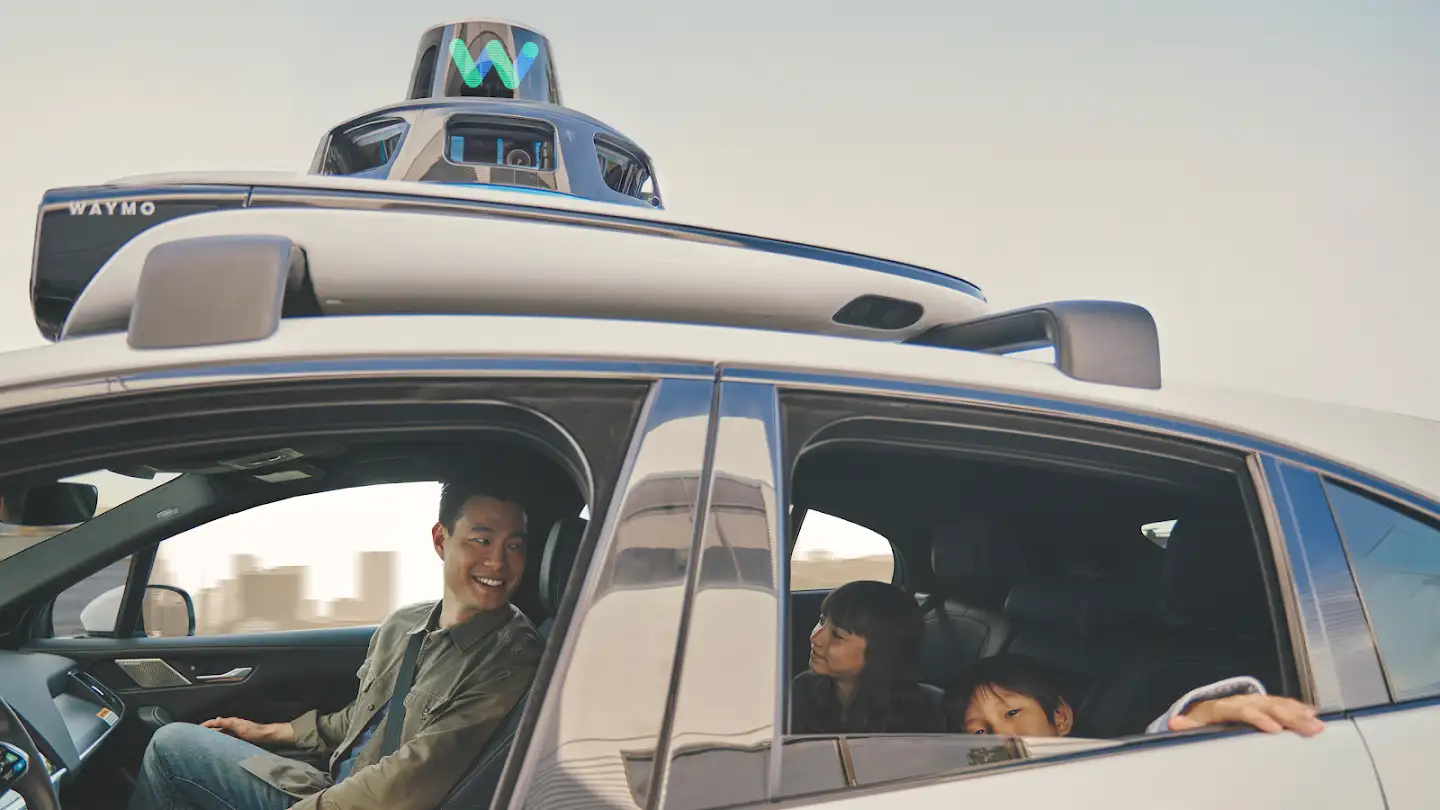
Humans are Everything: How Waymo aims to tackle the Global 1.19 Million Traffic Fatality Crisis
With global vehicle accidents claiming a staggering 1.19 million lives every single year, autonomous vehicle pioneer Waymo is shifting the conversation around self-driving technology. Its core message emphasizes that the technology is being built to protect human vulnerability on the road.
Addressing Human Vulnerability on the Road
Every year, car crashes injure and kill over a million people globally simply due to the nature of human error. As an expansive campaign from Waymo points out, we are “wonderful, complex humans,” but human drivers are inherently prone to being tired, distracted, angry, or impaired To counter these systemic flaws, Waymo spent more than a decade designing and testing its autonomous system. The goal was not just to create an alternative to traditional driving, but to deploy a highly specialized system that operates with unmatched consistency:
Constant Vigilance: The autonomous driver never blinks, feels fatigue, or gets distracted [00:14].
Rapid Processing Power: The system is engineered to see far down the road, process spatial data instantly, and react to hazards quickly [00:14].
Proven Urban Metrics: Statistically, the technology is now performing 10 times safer than human-driven vehicles within the specific cities it services [00:41].
Designed for People, Not a Replacement
The ultimate push for human collision avoidance technology is not about phasing out the value of people, but rather preserving it. Waymo stresses that the technology exists not because humans aren’t enough, but “because they’re everything.” [00:49]