FIFA World Cup 2026 Sponsors Turn Fan Experience Into the Ultimate Marketing Battleground
The road to the FIFA World Cup 2026 is becoming more than just a football story — it is shaping into a global competition between brands fighting to own the fan experience. With ticket prices expected to hit record levels and millions of supporters unable to attend matches in person, major sponsors are rethinking what access to the World Cup actually means. Instead of focusing only on stadium advertising, brands are building digital-first experiences that bring fans emotionally closer to the tournament from anywhere in the world.
Companies such as Verizon, TikTok, and The Home Depot are leading this shift with immersive campaigns, creator partnerships, and interactive activations designed to make supporters feel part of the action even without a match ticket.
The World Cup Is Becoming a Content Playground
The 2026 tournament will be the biggest FIFA World Cup ever, spanning the United States, Canada, and Mexico with an expanded 48-team format. Massive global attention is guaranteed, but brands know today’s audiences consume sports differently than previous generations.
Fans no longer rely only on television broadcasts.
They follow creators on TikTok, watch behind-the-scenes clips on social media, react to live moments online, and engage with football culture through mobile-first platforms. Sponsors are adapting quickly to this behavior.
TikTok is expected to play a major role in shaping the tournament’s digital conversation through football influencers, short-form storytelling, fan challenges, and creator-led matchday content. For younger audiences, viral videos and creator reactions may become just as important as the official broadcast itself.
The platform is transforming football fandom into a 24/7 social experience.
Verizon Focuses on Connected Stadium Experiences
Verizon is using the World Cup to showcase the future of connected sports entertainment. The telecom giant is expected to roll out enhanced 5G-powered experiences, exclusive customer access programs, and interactive fan engagement tools.
From augmented reality features to premium live-event experiences, Verizon’s strategy centers on one idea: making fans feel closer to the game through technology.
As stadiums become smarter and audiences become more mobile-driven, connectivity itself is becoming part of the entertainment product.
Home Depot Targets the “At-Home Stadium”
While football and home improvement may seem like an unusual combination, The Home Depot is approaching the World Cup from a lifestyle perspective.
The retailer is leaning into watch-party culture, family gatherings, and community viewing experiences. With millions expected to watch matches from home, brands now see living rooms, outdoor patios, and local fan spaces as valuable marketing environments.
Instead of competing for attention inside stadiums, Home Depot is positioning itself around the moments fans create at home during the tournament.
Fans Want Participation, Not Just Advertising
The biggest shift ahead of FIFA World Cup 2026 is the evolution of sponsorship itself.
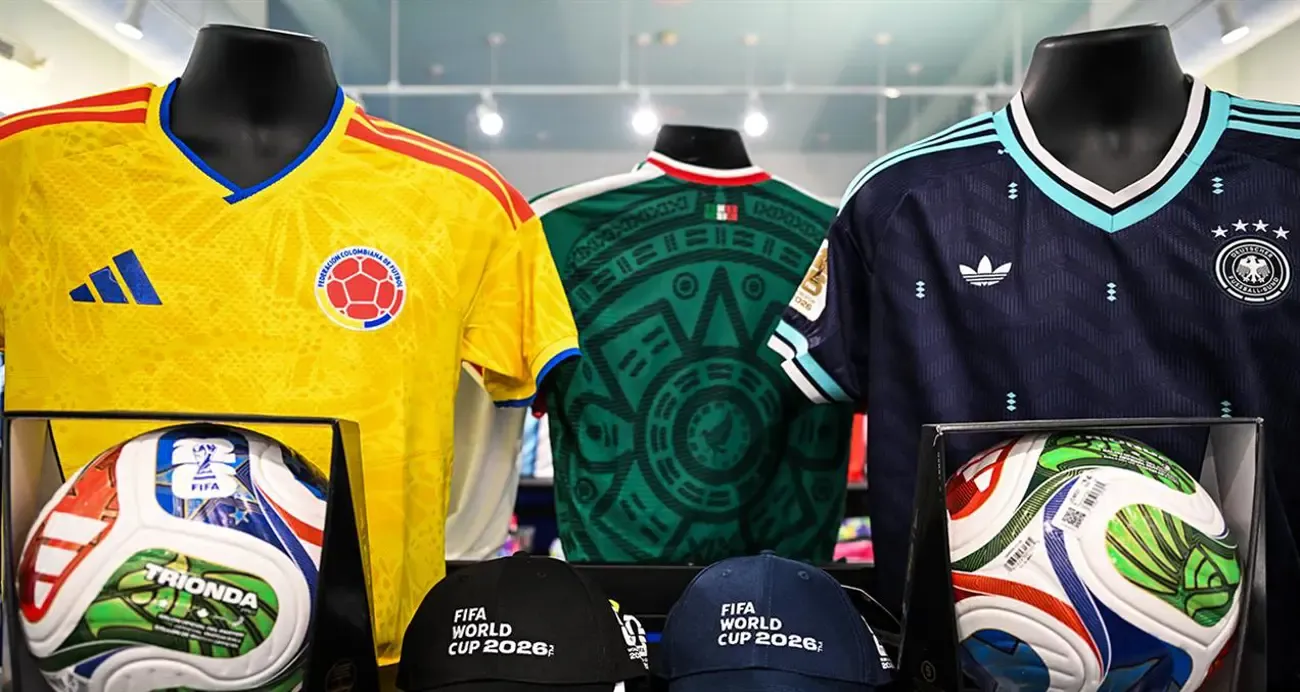
Modern sports fans want interaction, exclusivity, and emotional involvement. Static logo placements are no longer enough. Audiences expect brands to offer something meaningful — whether that means digital experiences, creator access, limited-edition merchandise, or live fan activations.
This is why companies are investing heavily in:
- Creator collaborations
- Fan festivals
- Interactive apps
- AR and VR experiences
- Social-first campaigns
- Real-time content creation
- VIP loyalty rewards
- Immersive viewing events
The goal is simple: make fans feel part of the tournament, even from thousands of miles away.
The Future of Sports Marketing Has Arrived
The FIFA World Cup 2026 is expected to become one of the most digitally connected sporting events in history.
For sponsors, the real opportunity is no longer limited to the stadium. The battle is happening across smartphones, creator channels, streaming platforms, fan communities, and social media feeds.
Brands like Verizon, TikTok, and The Home Depot are proving that the future of sports sponsorship is not about selling products during a match.
It is about creating unforgettable fan experiences before, during, and long after the final whistle.