Signpost India Bags Exclusive Kolkata Streetscape OOH Rights

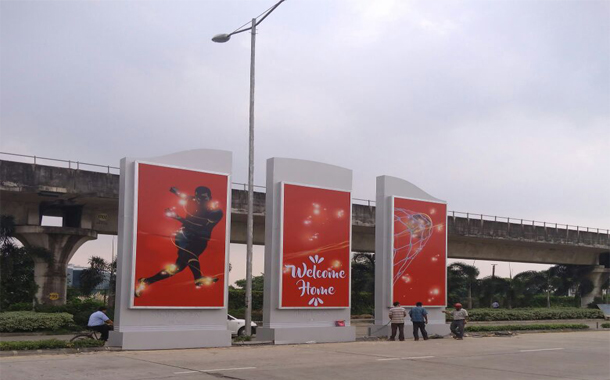
Signpost India has landed one of the more significant public-private OOH deals to come out of eastern India in recent memory: a decade-long exclusive concession to run outdoor advertising across some of Kolkata’s most valuable streetscapes, awarded by the Kolkata Municipal Corporation (KMC).
The agreement, structured under a Public-Private Partnership model and disclosed via a BSE filing, runs for 10 years with an option to extend by another two — giving Signpost potential control over these corridors through 2038 or beyond. For a company that’s been steadily building a national OOH footprint, this is a marquee entry into the eastern market.
The Streets in Play
The concession isn’t spread thin across the city — it’s concentrated on Kolkata’s most commercially valuable, highest-footfall corridors, the kind of addresses that double as the city’s retail and hospitality showcase:
- Park Street (Mother Teresa Sarani) — specifically the stretch from Jawaharlal Nehru Road to Mullick Bazar Crossing
- Camac Street (Abanindranath Sarani)
- Theatre Road (Shakespeare Sarani)
- Park-o-Mat
Anyone who knows Kolkata will recognise why these particular streets matter. Park Street alone is arguably the city’s most iconic commercial spine — a mix of legacy restaurants, luxury retail, and constant pedestrian traffic that makes it one of the most sought-after ad environments in eastern India. Bundling that with Camac Street and Theatre Road, both known for upscale commerce, gives Signpost a genuinely premium cluster rather than a scattered set of sites.
Branded internally as the “Kolkata Streetscape Renaissance” project, the initiative is designed to modernise these corridors’ street-level advertising infrastructure while, in theory, improving the visual quality of the city’s public spaces alongside the commercial upside.
What the Numbers Actually Say
Corporate filings around PPP deals like this can be dense, so it’s worth breaking down what Signpost has actually committed to and what it stands to earn.
Revenue projection: Signpost expects to generate approximately ₹450 crore in gross advertising revenue over the life of the concession — a figure that reflects the commercial pulling power of these locations rather than a conservative estimate.
Payments to KMC: In exchange for exclusive rights, Signpost has committed to an annual fixed payment of Rs 16.38 crore to the Authority, with a 5% escalation every three years. That escalation clause matters — it protects the municipal corporation’s revenue against inflation and rising ad rates over a contract that stretches well over a decade.
Total payout to the city: Once State GST is factored in, Signpost projects that total revenue to the Authority will exceed Rs 250 crore during the concession period a meaningful contribution to municipal coffers that, in theory, can be redirected into civic infrastructure and services.
For context on scale: this isn’t Signpost’s only major transit-adjacent win this year. The company has also picked up a nine-year contract for exclusive advertising rights at 67 Bangalore Metro stations, a deal estimated to generate ₹6-7 billion in revenue over its term. Taken together, the Kolkata and Bengaluru wins suggest a company actively consolidating its position in premium urban transit and streetscape advertising, not just chasing volume.
Clean Structure, No Related-Party Flags
One detail worth flagging for anyone tracking corporate governance: Signpost has explicitly stated that no promoter or promoter group interests exist with the awarding entity, and the contract does not constitute a related party transaction. In an industry where municipal contracts can sometimes raise questions about conflicts of interest, that clarification — made as part of the company’s SEBI disclosure obligations — is a straightforward but important piece of due diligence for investors and industry watchers alike.
Why This Deal Fits Signpost’s Broader Strategy
Signpost’s business model has generally leaned toward owning and operating high-visibility OOH assets directly rather than simply brokering ad space — an approach that gives it tighter control over compliance, site quality, and performance reporting. The Kolkata deal fits that pattern: KMC isn’t just leasing space to Signpost, it’s handing over end-to-end responsibility for installation, compliance, and ongoing management of some of the city’s most visible public advertising real estate.
It’s also a notable geographic expansion. Eastern India, and Kolkata specifically, has historically been a less contested OOH battleground compared to Mumbai, Delhi, or Bengaluru. Locking in exclusive rights to the city’s premier commercial corridors for a full decade gives Signpost a durable head start there — and puts it in more direct competition with established multi-city players like JCDecaux India, Laqshya Media, and Times OOH, who have traditionally focused their premium inventory elsewhere.
The Bigger Picture
Deals like this reflect a broader trend in Indian OOH: municipal corporations increasingly treating high-footfall public streetscapes as monetisable, professionally managed assets rather than informally regulated hoarding space. For KMC, the arrangement promises a decade of predictable, escalating revenue without the corporation having to build or manage advertising infrastructure itself. For Signpost, it’s a long-duration, high-visibility revenue stream in a city where premium OOH inventory has historically been harder to consolidate under a single operator.
Whether the “Renaissance” branding lives up to its name will depend on execution — how quickly new formats go up, how well they’re maintained, and whether the promised civic aesthetic upgrades materialise alongside the commercial rollout. But on paper, this is a significant win: a long-term, high-value concession in one of India’s most storied commercial districts, backed by clear financial terms and a governance structure with no apparent conflicts.