Selvel One Group: India’s Oldest & Most Trusted Outdoor Advertising Giant

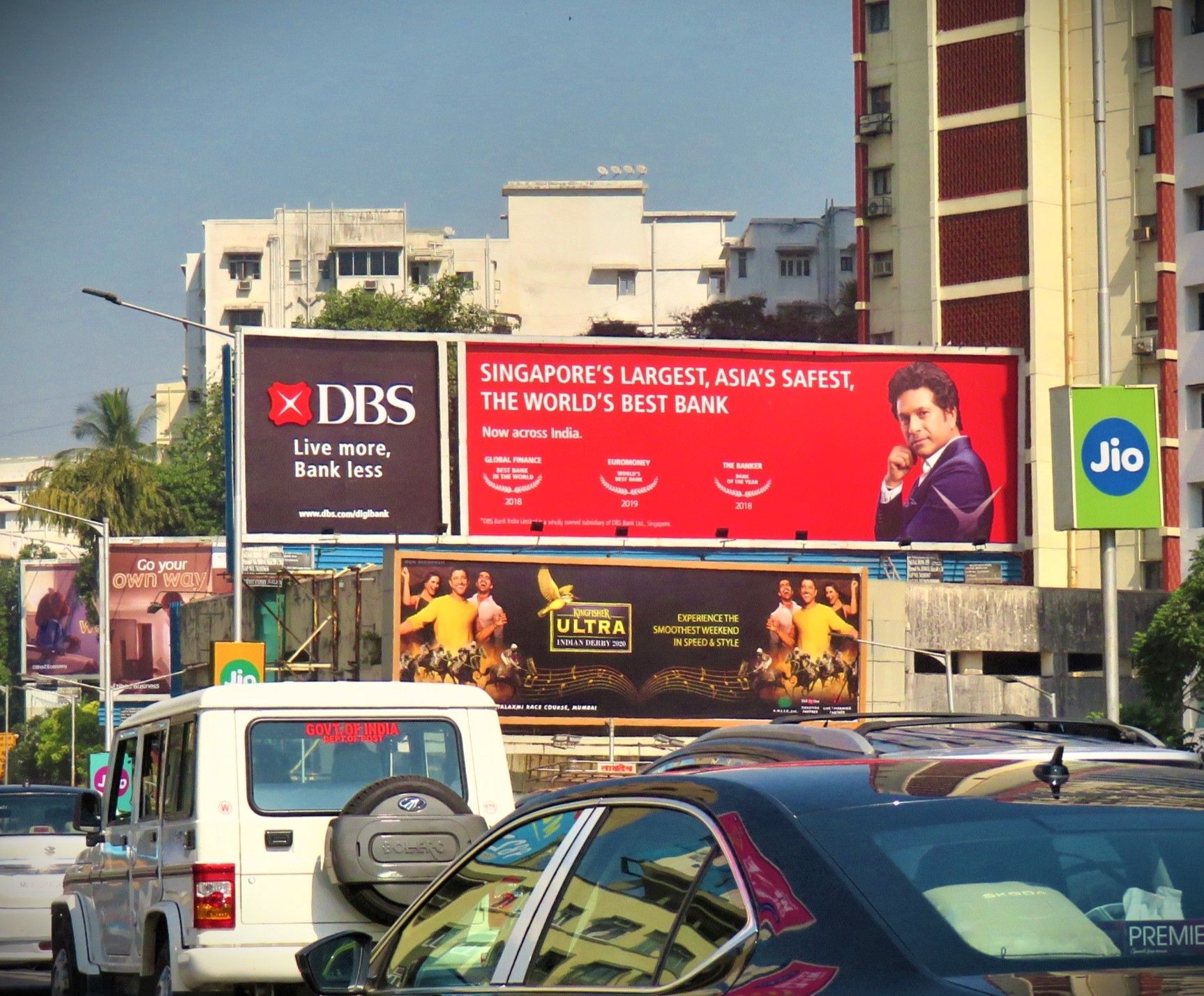
In today’s fast-moving digital world, where brands compete for attention through screens and algorithms, it’s easy to forget a time when one billboard could dominate an entire city’s conversation. Long before social media impressions and Google ads, India’s streets were the real battleground for brands—and at the center of this transformation stood Selvel One Group. The 1960s and 70s were not just decades of cultural change in India; they were the foundation years of modern outdoor advertising. Selvel One Group didn’t just participate in this era—it helped define it.
The Beginning of Street-Level Branding in India
India in the 1960s was a country in transition. Urban centers like Kolkata, Mumbai, and Delhi were expanding rapidly. Markets were growing, roads were becoming busier, and consumer awareness was slowly rising. However, the media landscape was extremely limited. Television had not yet reached the masses, newspapers had regional limitations, and radio lacked visual impact. In such an environment, outdoor advertising emerged as the most powerful medium—and Selvel One recognized this opportunity early.
They understood something fundamental:
👉 If you want to capture India’s attention, you must own its streets.
The Art of Hand-Painted Campaigns
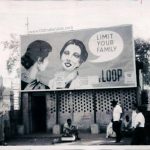
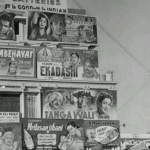
Unlike today’s digitally printed flex boards, campaigns in the 60s and 70s were created entirely by hand. Selvel’s operations relied on skilled artists who would carefully design and paint each hoarding with precision and creativity.
A single billboard campaign involved:
- Sketch artists conceptualizing layouts on paper
- Painters scaling designs onto massive canvases
- Workers assembling wooden or metal structures
- Installation teams working overnight to meet deadlines
These weren’t just advertisements—they were pieces of public art.
Imagine walking through a busy Kolkata street in 1968. Overnight, a giant hoarding appears, painted in bold colors, capturing attention instantly. There were no distractions, no competing screens—just one powerful visual commanding the entire space.
That was the power Selvel mastered.
Strategy Without Data: The Genius of Placement
Today, marketers rely heavily on data analytics, heat maps, and AI tools. But in the 60s and 70s, Selvel operated on pure human insight and observation.
They carefully studied:
- Traffic flow at major intersections
- Crowd behavior in marketplaces
- Movement patterns near railway stations and bus stops
- Cinema footfall trends
Based on these observations, they secured prime locations where visibility translated directly into impact.
Their philosophy was simple but effective:
👉 The right location is more powerful than the biggest design.
This approach helped brands achieve maximum recall without any digital tracking tools.
The 1970s: Expansion and Standardization
As India entered the 1970s, advertising demand began to grow rapidly. Brands started realizing the importance of visibility, and outdoor media became a serious marketing investment rather than just an experiment. During this time, Selvel One Group scaled its operations significantly. They began:
- Expanding billboard networks across multiple cities
- Standardizing hoarding sizes for consistency
- Building long-term contracts for premium locations
- Creating structured campaign rollouts across regions
This was the decade when Selvel transitioned from a regional player to a national outdoor advertising powerhouse.
Their growing inventory laid the foundation for what would later become one of India’s largest billboard networks.
Bollywood, Brands, and the Rise of Visual Culture
The 1970s were also the golden era of Indian cinema. Stars like Amitabh Bachchan became household names, and film marketing heavily depended on outdoor promotions.
Selvel played a crucial role in amplifying movie campaigns through:
- Massive cinema hoardings near theatres
- Strategic placements in high-footfall areas
- Larger-than-life visuals that created excitement before release
A new film release wasn’t just announced—it was experienced across the city skyline.
At the same time, FMCG brands, textile companies, and consumer goods businesses also began leveraging outdoor media to build awareness. This created a strong connection between visual storytelling and consumer memory.
The Challenges Behind the Scenes
While the final hoardings looked effortless, the process behind them was anything but easy. The absence of modern tools meant every campaign required intense manual effort and coordination.
Some of the key challenges included:
- Transporting large materials without advanced logistics
- Working under unpredictable weather conditions
- Ensuring accuracy in hand-painted designs
- Managing installation without cranes or modern equipment
Despite these challenges, Selvel consistently delivered high-quality campaigns, building a reputation for reliability and execution excellence.
Building Brand Trust Without Metrics
One of the most fascinating aspects of this era was the absence of measurable metrics. There were no impressions, clicks, or ROI dashboards. Yet, brands continued to invest heavily in outdoor advertising.
Why?
Because the impact was visible in real life:
- Increased store visits
- Higher product demand
- Strong brand recall among consumers
Selvel became a trusted partner because it delivered real-world results that businesses could see and feel.
Legacy of the 60s–70s Era
The campaigns of the 1960s and 70s may seem simple by today’s standards, but they laid the groundwork for modern advertising strategies.
The principles Selvel followed back then are still relevant today:
- Strategic placement over random visibility
- Clear messaging over clutter
- Visual impact over complexity
- Consistency across locations
These fundamentals continue to shape both traditional OOH and modern DOOH campaigns.
From Painted Hoardings to Digital Screens
Today, outdoor advertising has evolved into a sophisticated ecosystem that includes:
- LED billboards
- Programmatic DOOH platforms
- Data-driven audience targeting
- Smart city integrations
However, the roots of this transformation go back to the early efforts of companies like Selvel One Group. From hand-painted hoardings in the 60s to digital screens today, the journey reflects not just technological advancement, but also a deep understanding of human attention.
Conclusion: A Legacy Written on the Skyline
The story of Selvel One Group in the 1960s and 70s is not just about advertising—it’s about vision, persistence, and innovation in a time when resources were limited but creativity had no boundaries.
They turned empty city walls into powerful communication platforms.
They transformed streets into brand storytelling spaces.
And most importantly, they proved that visibility can shape perception.
Even today, when you look up at a billboard in a busy Indian city, you are witnessing a legacy that began decades ago—painted by hand, planned with intuition, and executed with passion.