Why DOOH Advertising is the Future of Outdoor Marketing

Digital marketing is constantly evolving, and one of the fastest-growing advertising channels today is Digital Out-of-Home (DOOH). Unlike traditional billboards, DOOH uses digital screens, data, automation, and real-time content to deliver highly engaging advertising experiences in public spaces.
From a marketer’s and business owner’s perspective, DOOH is not just about placing ads on big screens. It is about reaching the right audience at the right place and time while integrating outdoor advertising with digital marketing strategies.
In this detailed guide, we will explore what DOOH advertising is, how it works, its key features, benefits, technology, real-world use cases, and future trends from a practical marketing viewpoint.
What is Digital Out-of-Home (DOOH) Advertising?
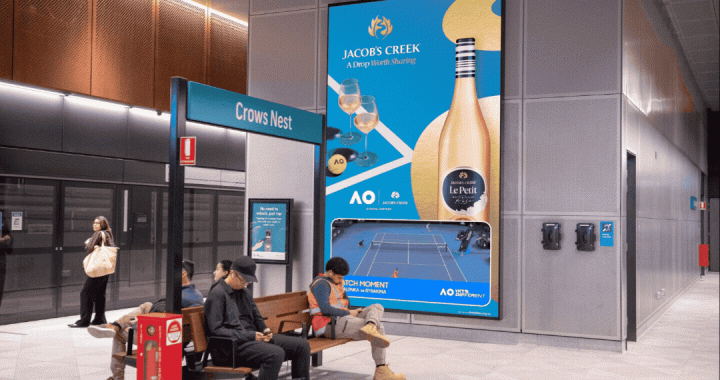
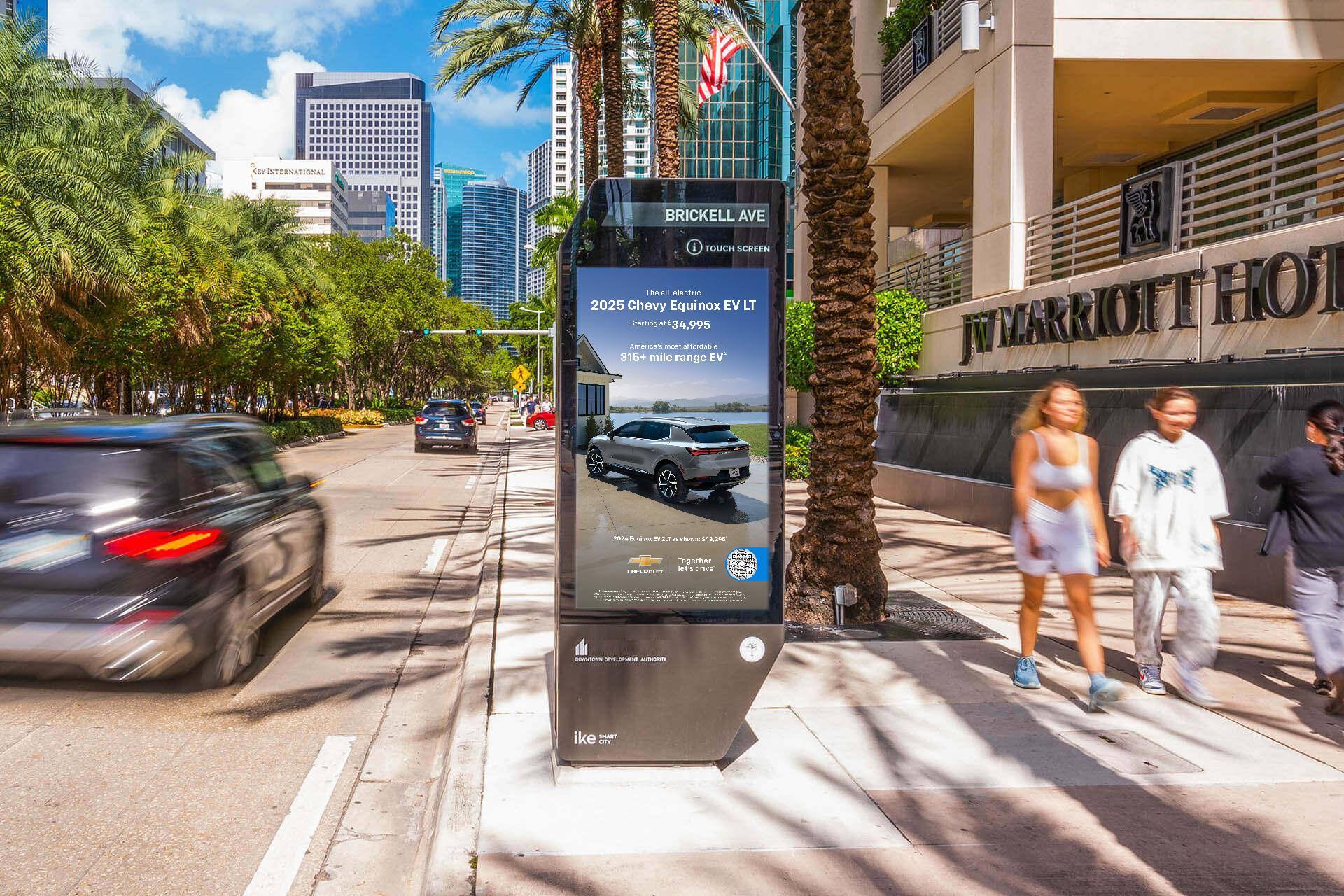
Digital Out-of-Home (DOOH) refers to digital advertising displayed in public locations using LED screens, digital billboards, kiosks, and interactive displays.
These screens are typically installed in:
-
Highways and city roads
-
Airports and railway stations
-
Shopping malls
-
Retail stores
-
Office buildings
-
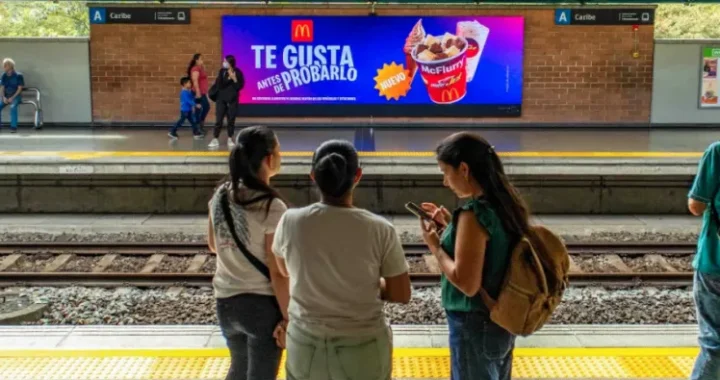
Bus shelters and transit stations
-
Stadiums and entertainment venues
Unlike traditional printed billboards, DOOH allows advertisers to display video content, animated graphics, real-time messages, and multiple ads on the same screen.
For marketers and brands, this means more flexibility, better targeting, and stronger audience engagement.
Why DOOH Advertising is Growing Rapidly
From a business and marketing perspective, DOOH has become popular because consumer behavior has changed.
Today’s consumers:
-
Spend more time outside their homes
-
Use smartphones constantly
-
Engage more with visual and video content
Digital screens naturally attract attention in busy environments. Compared to static billboards, moving visuals and dynamic content capture significantly more audience attention.
For brands, DOOH offers a powerful opportunity to combine the reach of outdoor advertising with the intelligence of digital marketing.
Key Features of DOOH Advertising
1. Dynamic and Real-Time Content
One of the biggest advantages of DOOH advertising is the ability to update content instantly.
Advertisers can change campaigns based on:
-
Time of day
-
Weather conditions
-
Traffic levels
-
Events or promotions
For example:
A coffee brand can show breakfast ads in the morning and dessert promotions in the evening on the same screen.
From a marketer’s perspective, this flexibility allows brands to deliver relevant messages at the most effective moment.
2. Programmatic Advertising
Programmatic DOOH is one of the most exciting developments in outdoor advertising.
It allows advertisers to buy advertising space automatically using data and algorithms instead of manual booking.
Key advantages include:
-
Automated media buying
-
Real-time campaign optimization
-
Targeted advertising
-
Better budget control
For marketing teams, programmatic DOOH works similarly to Google Ads or social media ads, making outdoor advertising easier to manage and scale.
3. Audience Targeting
Traditional billboards target everyone who passes by. DOOH, however, allows more precise audience targeting.
Advertisers can use:
-
Location data
-
Traffic patterns
-
Demographic insights
-
Mobile device signals
This helps brands reach specific consumer segments such as commuters, shoppers, tourists, or office workers.
For marketers, this means higher campaign efficiency and better ROI.
4. Integration with Digital Marketing
DOOH works best when integrated with other digital channels.
For example, brands can combine DOOH campaigns with:
-
Mobile advertising
-
Social media marketing
-
QR code interactions
-
Location-based promotions
A common strategy is to display a QR code on a digital billboard that directs viewers to a landing page or special offer.
This creates a seamless connection between offline advertising and online engagement.
5. Interactive Advertising Experiences
Modern DOOH campaigns often include interactive elements that encourage audience participation.
Examples include:
-
Touchscreen kiosks
-
Motion sensors
-
Augmented reality experiences
-
Social media integration
Interactive campaigns create memorable experiences and significantly increase audience engagement.
For marketers, this type of engagement can lead to stronger brand recall and customer interaction.
Types of DOOH Advertising
Digital Billboards
These are large LED screens placed along highways or busy city streets.
They are ideal for:
-
Brand awareness campaigns
-
Product launches
-
Event promotions
Because they reach thousands of people daily, digital billboards are one of the most impactful forms of outdoor advertising.
Transit Advertising
Transit DOOH appears in transportation environments such as:
-
Airports
-
Metro stations
-
Bus stops
-
Train stations
These locations attract large numbers of commuters and travelers, making them ideal for high-visibility advertising campaigns.
Retail DOOH
Retail DOOH screens are placed inside shopping centers and stores.
These screens influence customers at the point of purchase, which can directly impact buying decisions.
Retail DOOH is particularly effective for:
-
Promotions
-
Discounts
-
New product announcements
Place-Based DOOH
Place-based advertising focuses on specific venues where audiences gather.
Examples include:
-
Gyms
-
Restaurants
-
Hotels
-
Hospitals
-
Universities
This approach allows advertisers to target very specific audience groups based on location.
Benefits of DOOH Advertising from a Business Perspective
Massive Audience Reach
Outdoor advertising naturally reaches a large number of people.
In urban environments, DOOH screens can generate millions of impressions every week.
For brands, this provides strong visibility and brand awareness.
Strong Visual Impact
Digital screens support:
-
Video ads
-
Animated graphics
-
Motion effects
-
3D content
These visual elements attract attention more effectively than static posters.
This leads to higher engagement and stronger brand recall.
Cost Efficiency Over Time
Although installing digital screens requires investment, DOOH campaigns reduce costs related to:
-
Printing
-
Installation
-
Physical replacement of posters
Advertisers can run multiple campaigns on the same screen, making it cost-efficient in the long term.
Data-Driven Decision Making
Modern DOOH platforms provide analytics such as:
-
Audience impressions
-
Engagement levels
-
Campaign performance
These insights help marketers optimize campaigns and measure ROI more accurately.
Technology Powering DOOH Advertising
Several advanced technologies support the growth of DOOH.
Artificial Intelligence
AI analyzes audience data and automatically adjusts advertising content to maximize engagement.
Internet of Things (IoT)
IoT enables digital screens to connect with external data sources such as:
-
Traffic data
-
Weather information
-
Local events
This allows advertisers to deliver context-aware advertising messages.
5G Connectivity
High-speed networks allow digital billboards to update content instantly across multiple locations.
This improves the efficiency of large advertising networks.
Augmented Reality
AR technology enables viewers to interact with billboards using their smartphones.
These experiences can dramatically increase engagement and social media sharing.
Challenges of DOOH Advertising
Despite its advantages, DOOH also presents several challenges.
High Infrastructure Costs
Digital screen installation and maintenance require significant investment.
Measurement Limitations
While measurement technologies are improving, accurately determining how many people actually view a screen can still be difficult.
Creative Limitations
DOOH ads must be simple and easy to understand because viewers usually see them for only a few seconds.
Marketers must focus on clear messaging and strong visuals.
Future of DOOH Advertising
The future of DOOH looks extremely promising.
Several trends are shaping the industry:
Programmatic DOOH expansion
More advertisers will adopt automated ad buying.
AI-driven personalization
Ads will adapt in real time based on audience demographics and behavior.
3D and immersive billboards
Anamorphic 3D billboards are becoming popular in major cities.
Smart city integration
Digital screens will become part of urban infrastructure.
Retail media networks
Retailers will increasingly use in-store screens for advertising.
Final Thoughts
Digital Out-of-Home advertising is transforming traditional outdoor marketing into a data-driven, dynamic, and highly engaging advertising channel.
For marketers and brands, DOOH offers a unique opportunity to combine large-scale visibility with digital marketing intelligence.
When integrated with mobile marketing, social media, and programmatic advertising, DOOH becomes a powerful tool for brand awareness, customer engagement, and sales growth.
As technologies like AI, 5G, and augmented reality continue to evolve, DOOH advertising will become even more interactive, personalized, and impactful in the future.