India’s DOOH Market: A ₹700 Crore Opportunity Ready for Disruption

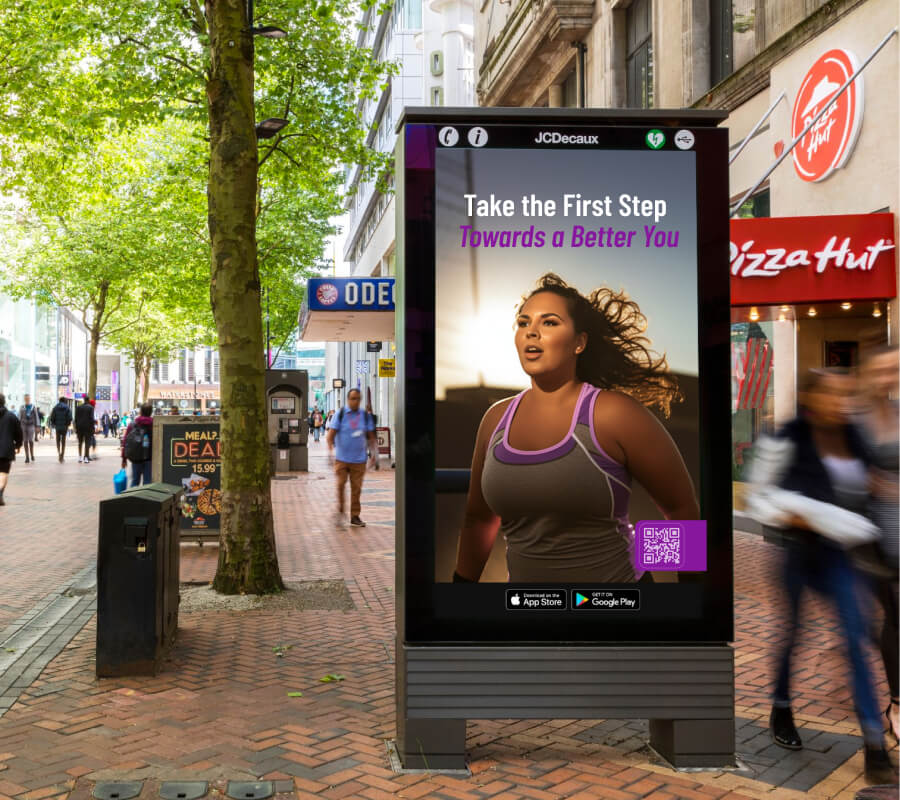
India’s out-of-home (OOH) advertising industry is at a turning point—and one number tells the whole story: ₹700 crore. That’s the current size of the Digital Out-of-Home (DOOH) segment within a broader ₹5,920 crore OOH market. In percentage terms, DOOH accounts for just 12% of the total. At first glance, that may seem small. But when you compare it globally, the real opportunity becomes clear.
Global Benchmark vs India: The Gap That Signals Growth
In mature markets like the United States and China, DOOH already contributes 35–40% of total OOH revenue. India, by contrast, is still in its early growth phase—but it’s expanding rapidly, with an estimated 70% year-on-year growth rate.
This gap is not a weakness—it’s a massive opportunity.
India’s advertising ecosystem is primed for digital transformation, yet DOOH remains underutilized. With increasing urbanization, rising mall culture, and rapid digitisation of public spaces, the foundation for explosive growth is already in place.
The Core Problem: Old Business Model, New Screens
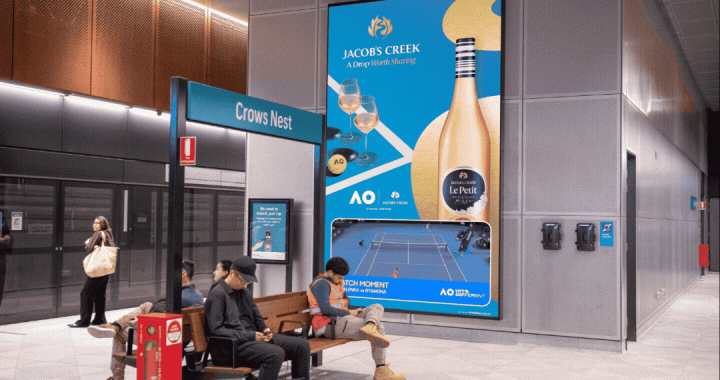
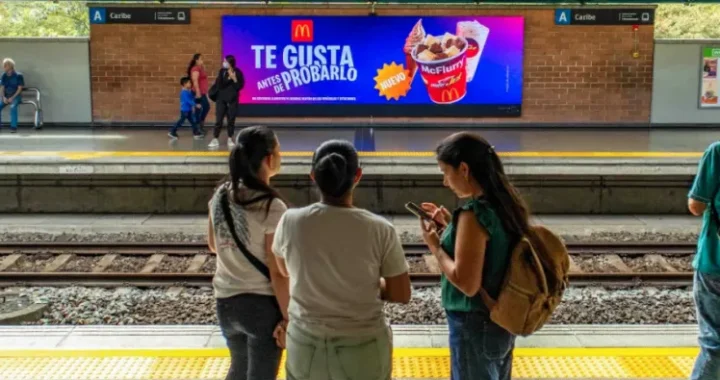
Despite the rise of digital screens across malls, highways, airports, and metro stations, the way DOOH inventory is sold hasn’t evolved much.
Most DOOH advertising in India still operates on outdated models:
- Fixed time slots
- Static pricing structures
- Limited audience targeting
- Minimal campaign tracking
- No real performance measurement
In simple terms: the screens are digital, but the business model is not.
This disconnect is the biggest bottleneck holding back the industry.
Why This Is a ₹2,000 Crore Opportunity
The next phase of growth in India’s DOOH market won’t come from just installing more screens—it will come from transforming how those screens are monetized.
Here’s where the real opportunity lies:
1. Programmatic DOOH (pDOOH)
Automation and real-time ad buying can revolutionize DOOH. Advertisers will be able to:
- Buy inventory dynamically
- Adjust campaigns based on time, location, and audience
- Optimize performance in real-time
2. Data-Driven Targeting
With AI and mobility data, DOOH can move beyond mass broadcasting to precision targeting, similar to digital ads.
3. Measurable ROI
Brands increasingly demand performance metrics. Technologies like footfall tracking, mobile data integration, and attribution models can help measure:
- Impressions
- Engagement
- Store visits
- Conversions
4. Dynamic Content Delivery
Unlike static hoardings, digital screens can run multiple creatives, adapt messaging based on context (weather, time, events), and increase relevance.
This is where the next ₹2,000 crore growth wave will emerge—from business model innovation, not just infrastructure expansion.
Key Drivers Accelerating DOOH in India
Several factors are already pushing the industry forward:
- Smart City Initiatives: Increased digital infrastructure across urban India
- Retail Media Boom: Malls and stores becoming high-intent advertising zones
- Transit Media Growth: Airports and metro networks adopting digital screens
- Brand Demand for Performance Marketing: Shift from awareness to measurable outcomes
Cities like Mumbai, Delhi, and Bengaluru are already leading the way with premium DOOH inventory and early adoption of digital formats.
The First-Mover Advantage for Cities and Media Owners
The big question is not whether DOOH will grow—it’s which city will unlock its full potential first.
The winners will likely be cities that combine:
- High consumer footfall
- Strong retail and transit infrastructure
- Advanced data and tech adoption
- Progressive municipal policies
Mumbai has scale and premium advertisers.
Delhi has vast public infrastructure and policy momentum.
Bengaluru brings tech innovation and data-driven ecosystems.
Any of these could lead India’s DOOH revolution.
The Future of DOOH in India
The Indian DOOH market is not just growing—it’s evolving.
We are moving from:
- Static → Dynamic
- Mass → Targeted
- Visibility → Performance
- Media → Measurable Channel
The next decade will define how quickly India can bridge the gap with global markets. And the biggest winners will not just be those who own screens—but those who reimagine how those screens create value.
Final Thought
The ₹700 crore number is not the ceiling—it’s the starting point.
India’s DOOH industry is sitting at the edge of a transformation where technology, data, and creativity will converge. The real question is:
Who will build the ecosystem that turns digital screens into performance engines?
And more importantly—
Which city will lead India’s DOOH revolution?