DOOH Advertising in India: Branding Powerhouse or Future Performance Channel?

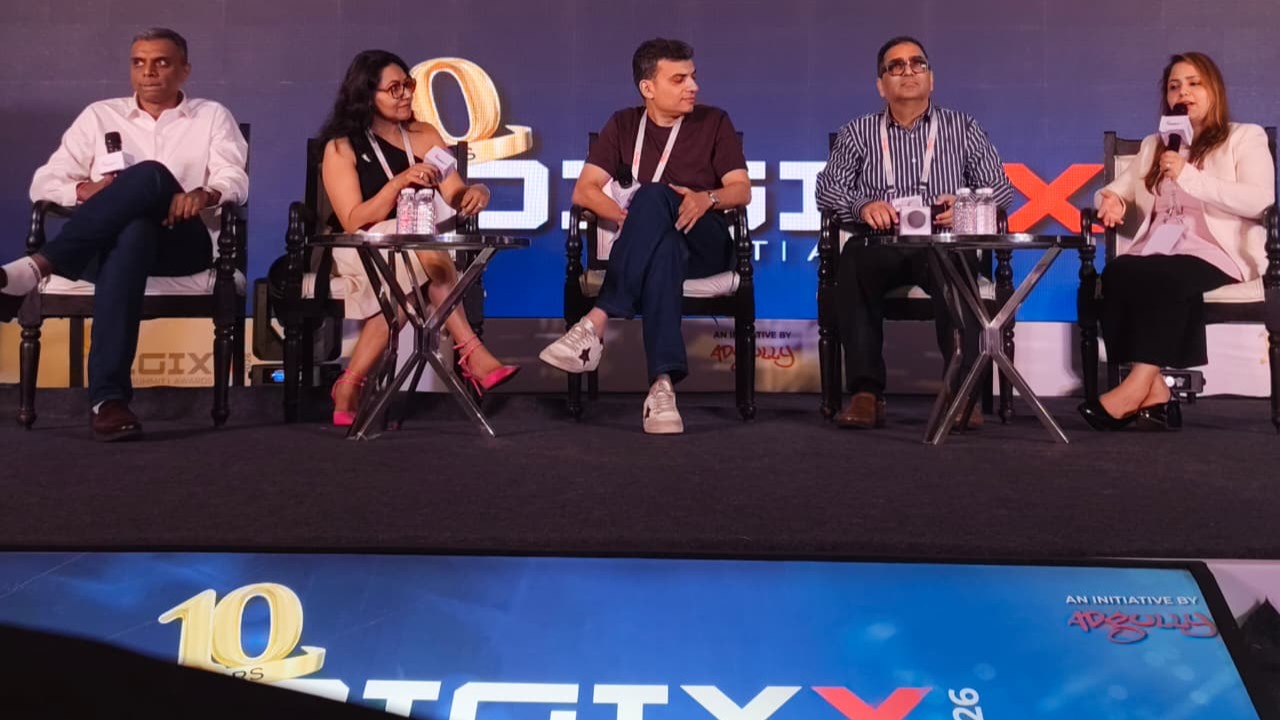
New Delhi, April 17, 2026: India’s digital advertising industry is undergoing a significant shift, and Digital Out-of-Home (DOOH) is at the center of a growing debate—can it truly evolve into a performance-driven medium, or does it remain a branding-first channel? This question took the spotlight at the DIGIXX Summit and Awards 2026, where industry leaders gathered to discuss the future of location intelligence and performance-led DOOH. The session highlighted a medium in transition—one that has embraced data and automation but is still catching up on measurable outcomes.
A Medium Redefined by Data and Technology
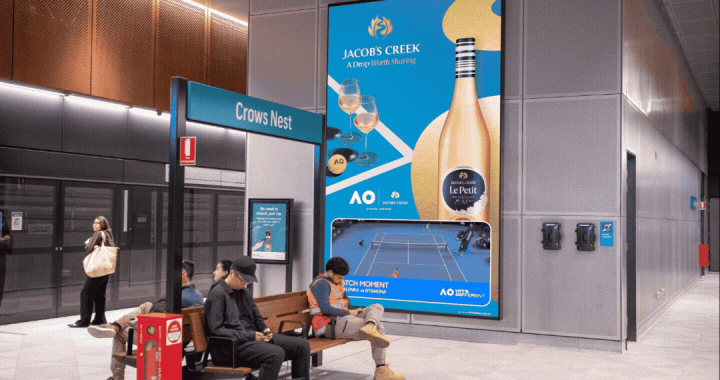
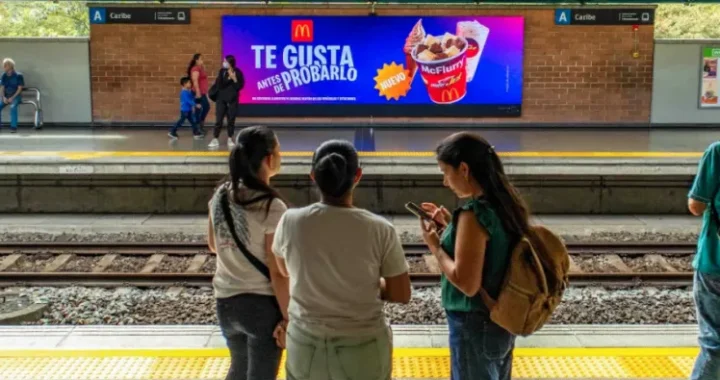
DOOH today operates at the intersection of advertising technology (AdTech) and marketing technology (MarTech). This convergence allows brands to move beyond static billboards to more intelligent, data-driven screens that can target audiences based on location, time, and behavior.
However, experts at the summit agreed that while DOOH has advanced significantly in targeting and delivery, it still falls short of being a fully measurable performance channel. For now, it continues to serve as a high-impact branding and awareness platform, particularly effective at the top of the marketing funnel.
The Measurement Challenge Still Persists
One of the central issues discussed was the lack of robust attribution models in DOOH advertising. Unlike digital platforms, DOOH does not yet support:
- Last-click attribution
- Real-time conversion tracking
Instead, marketers rely on view-based attribution and brand lift studies, which provide directional insights rather than concrete performance metrics.
Despite this limitation, industry experts remain optimistic. With advancements in data analytics and mobile integration, DOOH is expected to achieve greater measurement accuracy in the coming years, bringing it closer to digital performance standards.
Flexibility Driving New Value
A major advantage of DOOH is its operational flexibility. Unlike traditional outdoor advertising, which involves printing and installation costs, DOOH allows brands to:
- Update creatives instantly
- Schedule ads based on time and audience behavior
- Optimize campaigns in near real-time
This shift has significantly improved cost efficiency and reduced media wastage, making DOOH a more strategic investment for advertisers.
Dynamic Creative: A Game Changer
Another key highlight from the discussion was the rise of dynamic creative optimization (DCO) in DOOH campaigns. Brands can now run multiple creatives simultaneously, test variations, and refine messaging based on performance signals.
This capability transforms DOOH from a static medium into a responsive and adaptive marketing channel, offering marketers greater control and agility.
Growth Limited by Infrastructure Gaps
While DOOH is gaining traction, its expansion in India remains uneven. Most advanced DOOH infrastructure is concentrated in:
- Metro cities
- Airports
- Tier 1 markets
Tier 2 and Tier 3 cities still lack the screen density and data ecosystems required for effective DOOH campaigns. This limits both reach and the ability to leverage location intelligence at scale.
The Road Ahead for DOOH in India
The consensus from the summit was clear: DOOH is evolving, but it is not yet a fully accountable performance medium. Instead, it exists in a hybrid state, combining strong branding capabilities with emerging data-driven features.
As infrastructure expands, programmatic technologies mature, and attribution models improve, DOOH has the potential to bridge the long-standing gap between brand building and performance marketing.
Conclusion
For now, marketers are advised to approach DOOH as a complementary channel rather than a replacement for performance media. Its strength lies in delivering high visibility, contextual relevance, and flexible execution.
In an industry increasingly focused on measurable outcomes, the future of DOOH will depend on its ability to move beyond visibility and prove real, verifiable impact.
Until then, it remains a powerful branding tool—one that is steadily evolving into something much more.