Multiply Media Group Bets Big on Riyadh & Jeddah Malls

A fresh partnership with Cenomi Centers gives the UAE media operator its first real foothold in the Gulf’s biggest ad market — and its timing looks anything but accidental
Every out-of-home operator in the Gulf has been circling Saudi Arabia for the same reason: it’s the region’s largest advertising market, and its screens are multiplying faster than almost anywhere else in the world right now. This week, Multiply Media Group (MMG) turned that ambition into a signed deal.
The Deal in Plain Terms
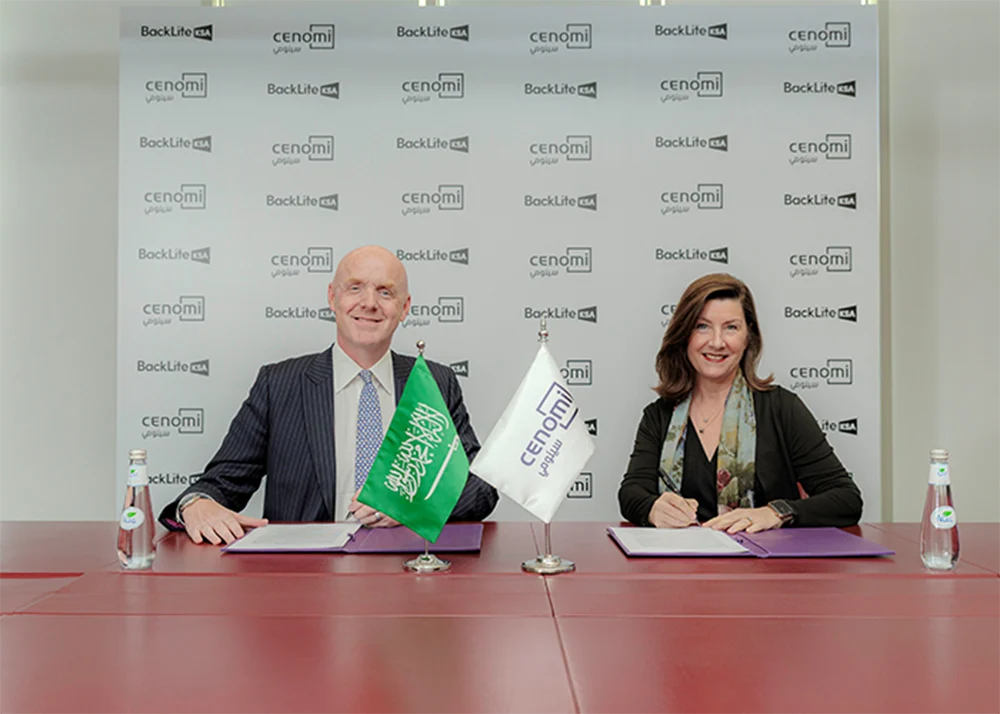
MMG, the out-of-home arm of Abu Dhabi’s Multiply Group, has partnered with Cenomi Centers — a major Saudi mall owner and operator — to build a new digital advertising network inside four of the Kingdom’s leading retail destinations. The agreement establishes BackLite KSA, MMG’s newly formed operating company in Saudi Arabia, tasked with managing and selling advertising space across a premium digital out-of-home network in some of the country’s most visited retail and lifestyle venues.
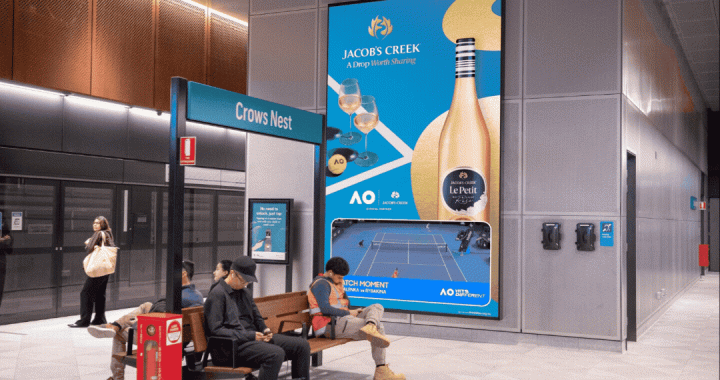
The footprint is not small. More than 80 digital screens will go up across four destinations in Riyadh and Jeddah — the soon-to-open Westfield Riyadh and Westfield Jeddah malls, plus the existing U Walk Riyadh and U Walk Jeddah developments. Two of the four sites, notably, haven’t even opened yet, which tells you this is as much a bet on Saudi Arabia’s retail pipeline as it is on advertising demand today.
Reading Between the Lines of the Executive Statements
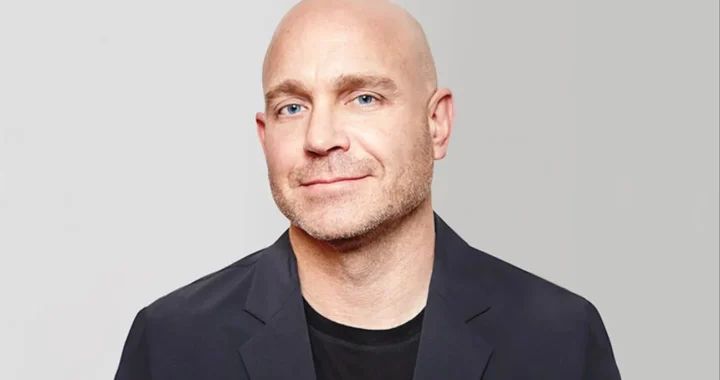
The public comments from both sides say less about the deal itself than about how each company sees its own strategy. MMG group CEO James Bicknell called Saudi Arabia a strategic growth market for Multiply Media Group and pointed to the partnership as proof the company can extend its technology-enabled Out-of-Home media expertise into new territory. That’s standard deal-announcement language, but it’s worth noting what he didn’t say: no revenue targets, no screen-count roadmap beyond the initial 80, no timeline for further Saudi cities.
Cenomi Centers CEO Alison Rehill-Erguven took a different tack, framing the deal around the visitor experience rather than the ad inventory. She said the company is focused on continuously enhancing the role its destinations play in people’s everyday lives, treating digital media as a way to make its malls more engaging places to be — not simply more space to sell.
Why This Isn’t MMG’s First Saudi Move
BackLite KSA didn’t come out of nowhere. It’s the visible output of groundwork MMG’s parent company laid more than a year earlier. Multiply Group’s media vertical struck a joint venture with Arabian Contracting Services Company (Al Arabia) to invest in the global out-of-home sector, and separately signed a memorandum of understanding with Saudi Media Company both signals that Saudi Arabia was on the roadmap well before this week’s announcement. Those moves came alongside the formal launch of Multiply Media Group itself in June 2025, unveiled at the World Out of Home Organization’s Annual Congress in Mexico City with explicit ambitions to expand into Saudi Arabia, the UK, Europe and the US.
MMG isn’t a standalone startup chasing a single market — it’s one piece of a much larger media and investment machine. Its sister holdings include Yieldmo, a contextual mobile advertising platform, and Firefly, which the group describes as North America’s leading digital taxi-top advertising company, plus Viola Communications, a marketing firm acquired in 2021. Multiply Group sits within International Holding Company (IHC), one of the most valuable holding companies in the Middle East — a parentage that gives MMG considerably more balance-sheet firepower than a typical regional out-of-home challenger.
The Market MMG Is Walking Into
Saudi Arabia’s out-of-home sector isn’t a blank canvas — it’s one of the fastest-digitizing ad markets in the region, and the data shows exactly where the money is moving.
Riyadh and Jeddah aren’t interchangeable markets, even though they anchor the same network. Riyadh generates the largest share of Saudi out-of-home spending, propelled by metro-carriage screens, the KAFD financial district, and a SAR 10 billion citywide digitization drive, while Jeddah’s growth leans more on tourism, benefiting from a Red Sea tourism upswing and expansion works at King Abdulaziz International Airport. That distinction matters for how BackLite KSA will likely pitch advertisers in each city — corporate and financial-sector reach in Riyadh, travel and leisure exposure in Jeddah.
Category spending data explains why malls specifically are an attractive entry point. Transportation currently leads Saudi out-of-home spending with roughly 31.55% share, powered by close to 2,700 Riyadh Metro carriage screens and exclusive airport concessions, but retail and consumer goods advertisers aren’t far behind, accounting for about 28.45% of 2025 spending as grocers, quick-service chains and shopping centers chase conversions at the point of purchase. BackLite KSA is stepping directly into that second category, in venues purpose-built for the kind of dwell time transit screens can’t match.
It’s also a market that’s still consolidating rather than fragmenting. The five largest operators controlled close to half of all booked impressions in Saudi Arabia in 2024, led by Al Arabia, Saudi Signs Media and Sky, and global players like JCDecaux and Clear Channel have largely chosen to enter via joint ventures rather than compete head-on, pairing outside ad-tech with local partners who understand permitting and market dynamics. MMG’s own route in — an outside operator teaming up with an established Saudi asset owner — follows that same script almost exactly.
The Open Questions
A handful of things about this deal remain unresolved, and they’re worth watching. Two of the four network sites are malls that haven’t opened yet, so the real commercial test of BackLite KSA won’t arrive until Westfield Riyadh and Westfield Jeddah are operational and drawing footfall. Neither company has disclosed contract length, screen specifications, or pricing structure for the network. And while both executives spoke of Saudi Arabia as a long-term priority, this four-site, 80-screen launch is modest next to the scale of the market described above — leaving plenty of room, and plenty of pressure, for MMG to expand further if the initial rollout performs.
What is clear is the strategic logic: a UAE media group with deep-pocketed backing, a stated ambition to go global, and a market next door that’s digitizing its advertising infrastructure faster than almost anywhere else in the region. The Cenomi Centers partnership is a modest first step by screen count, but it’s the clearest evidence yet that MMG’s Saudi ambitions have moved from intention to execution.