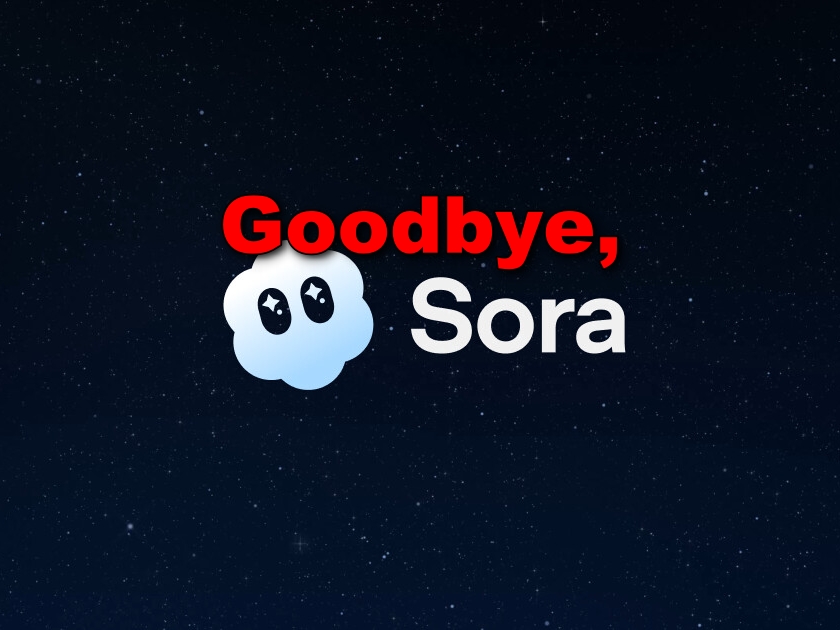
SAN FRANCISCO / BURBANK — In a move that has sent shockwaves through both Silicon Valley and Hollywood, OpenAI has officially announced the discontinuation of Sora, its much-hyped text-to-video generation platform. The decision, described by some insiders as a “strategic retreat,” effectively nullifies a blockbuster $1 billion partnership with The Walt Disney Company that was signed less than four months ago. The shutdown marks the most significant pivot in OpenAI’s history, signaling an end to the “launch-everything” era and a move toward enterprise-focused “agentic” AI as the company prepares for a rumored Initial Public Offering (IPO) in late 2026.
The “Rug-Pull”: Disney Blindsided
The collapse of the Disney partnership is the most visible casualty of this restructuring. Announced in December 2025, the deal was intended to be a three-year marriage of high-tech and legacy IP. It would have allowed Sora users to generate licensed content featuring over 200 iconic characters, including those from the Marvel, Star Wars, and Pixar universes.
According to reports, the decision was so abrupt that Disney and OpenAI teams were actively collaborating on a Sora-linked project as recently as the evening before the announcement. Disney executives were reportedly informed of the shutdown just 30 minutes after a joint meeting, a move a spokesperson described as a “big rug-pull.”
While the deal involved a planned $1 billion equity investment from Disney, sources confirm that the transaction had not yet closed, and no capital had been transferred.
Why Sora Died: The “GPU Burn” and Financial Reality
While Sora dazzled the world with its hyper-realistic cinematic clips, the behind-the-scenes economics were reportedly unsustainable.
-
Computational Costs: Insider reports suggest that video generation was “melting GPUs,” with some estimates placing daily operational losses for the Sora app at nearly $15 million.
-
Declining Retention: Despite a massive initial surge—reaching 1 million downloads faster than ChatGPT—retention for the standalone Sora app plummeted below 8% within 30 days of launch.
-
The “$14 Billion” Problem: OpenAI is estimated to lose upwards of $14 billion this year. To appease private equity investors and secure guaranteed return rates of 17.5%, CEO Sam Altman has been forced to trim “experimental” projects that lack a clear path to profitability.
The “Code Red” Strategic Shift
Internal memos at OpenAI have labeled this period a “Code Red” strategic realignment. Fidji Simo, who recently transitioned to the role of CEO of AGI Deployment, reportedly told employees that the company can no longer afford to be distracted by “side quests.”
OpenAI is now redirecting its massive compute resources and engineering talent toward:
-
The Superapp: Consolidating ChatGPT, the Codex coding tool, and the Atlas AI browser into a single unified desktop experience.
-
Agentic AI: Developing systems capable of autonomously managing complex professional tasks, such as software development and deep data analysis—verticals where enterprise customers like Anthropic’s clients are currently spending the most.
-
Physical AI & Robotics: The original Sora research team is being pivoted to “world simulation” projects, focusing on how AI models can navigate and interact with the physical world.
Impact on the Creative and OOH Industry
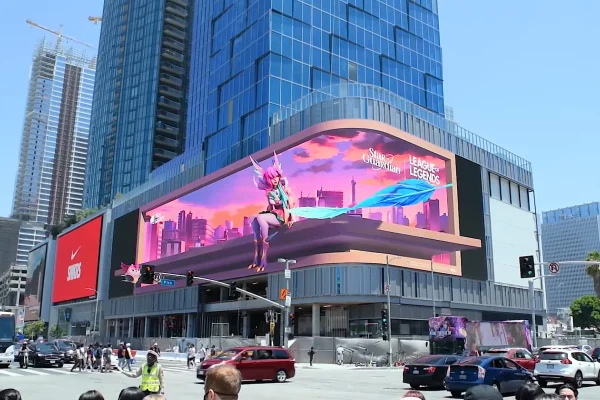
For the digital content and advertising sectors—particularly in Digital Out-of-Home (DOOH)—the exit of Sora creates a massive vacuum. The tool was expected to democratize the creation of high-fidelity, large-format video assets for digital billboards and immersive mall displays.
Without Sora, the “AI video” landscape is now dominated by Google’s Veo 3.1 and startups like Runway and Luma Ray. However, the collapse of the Disney deal may chill future licensing agreements between big-tech AI and major media holding companies, as the risks of “platform volatility” become apparent.
What’s Next for OpenAI?
The company is currently offering data export options for Sora users, with a full shutdown timeline expected in the coming weeks. While video features may eventually resurface as integrated tools within ChatGPT, the dream of a standalone “TikTok for AI video” is officially over. As OpenAI tightens its belt and refocuses on “Foundational” AI, the industry is left wondering if this is the start of a broader “AI bubble” correction or simply a necessary maturation step for a company eyeing a public market debut.