From $90B to $250B: Decoding India’s Massive E-Commerce Surge
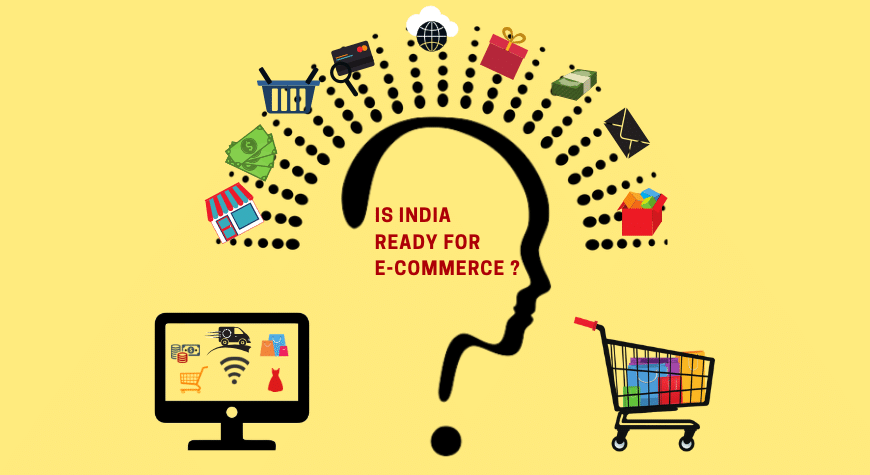
India’s digital landscape is no longer just “emerging”—it is exploding. According to the latest industry forecasts, India’s e-commerce market is set to skyrocket from approximately $70–$90 billion today to a staggering $250 billion by 2030. This isn’t just a change in numbers; it’s a fundamental shift in how 1.4 billion people live, shop, and interact with brands. For businesses, marketers, and tech innovators, this $160 billion expansion represents the single greatest growth opportunity of the decade.
1. The Power of “The Next 200 Million”
The primary engine behind this growth isn’t coming from the skyscrapers of Mumbai or the tech parks of Bengaluru. Instead, the revolution is being televised—and monetized—in Tier 2, Tier 3, and rural India. Currently, e-commerce penetration in India stands at about 7–9%. By 2030, this is expected to double. The “Next 200 Million” shoppers are predominantly coming from non-metro cities, fueled by:
-
Cheap Data: India continues to have some of the lowest mobile data costs globally.
-
Regional Language Content: The rise of “vernacular” e-commerce—apps that speak Hindi, Tamil, Telugu, and Marathi—has lowered the barrier to entry for first-time digital users.
-
UPI Ubiquity: The Unified Payments Interface (UPI) has democratized digital trust. Even a small-town kirana store shopper now feels comfortable transacting digitally.
2. The Rise of “Quick Commerce” (Q-Commerce)
If 2020 was the year of “delivery in 3 to 5 days,” 2026 and beyond is the era of “delivery in 10 minutes.” Q-Commerce is no longer restricted to milk and bread. We are seeing a massive shift where electronics, beauty products, and even high-end fashion are being stocked in “dark stores” across urban clusters. By 2030, Quick Commerce is projected to be a $50 billion sub-sector, fundamentally altering consumer expectations. If a brand isn’t available for instant delivery, it may soon become invisible to the urban Gen Z shopper.
3. Social Commerce and the Influencer Economy
The way Indians discover products has shifted from “Search” to “Discovery.”
-
Video-First Shopping: Short-form video platforms and live-streaming are becoming the new storefronts.
-
The Trust Factor: Indian consumers are moving away from celebrity endorsements toward “micro-influencers”—experts who live in their communities and speak their language.
By 2030, it is estimated that social commerce will contribute to nearly 15–20% of the total e-commerce pie. Brands are no longer just selling a product; they are selling a narrative through a trusted face on a mobile screen.
4. Integration with DOOH: The “Phygital” Bridge
As e-commerce moves toward $250 billion, the role of physical advertising is evolving. Digital Out-of-Home (DOOH) is becoming the “physical link” to the digital cart.
E-commerce giants are increasingly using programmatic DOOH to trigger ads based on real-time data. For example:
-
Inventory Triggers: A DOOH screen in a specific neighborhood can display an ad for a specific sneaker only if the local dark store has it in stock.
-
Contextual Relevance: If it starts raining in Delhi, DOOH screens can instantly pivot to show “10-minute delivery” ads for umbrellas or hot tea on e-commerce apps.
This “Phygital” (Physical + Digital) strategy ensures that the brand stays at the top of the consumer’s mind exactly when they are most likely to open their shopping app.
5. Challenges on the Horizon
The road to $250 billion isn’t without its speed bumps. To reach this milestone, the industry must solve critical infrastructure and trust issues:
-
Logistics in the “Last Mile”: Navigating the complex, often unmapped streets of rural India remains a costly challenge.
-
Sustainability: With millions of packages delivered daily, the pressure to move toward electric vehicle (EV) fleets and plastic-free packaging is mounting.
-
Data Privacy: As shopping becomes more personalized, consumers and regulators are demanding stricter data protection laws.
6. The Verdict: Are You Ready for 2030?
The expansion of India’s e-commerce market to $250 billion is a testament to the country’s digital resilience. We are moving toward an economy that is:
-
Hyper-Local: Driven by neighborhood dark stores.
-
Hyper-Personal: Driven by AI and influencer trust.
-
Hyper-Fast: Driven by Q-Commerce and 5G/6G connectivity.
For brands, the message is clear: The $250 billion prize won’t go to the biggest spender, but to the most adaptable player. Whether you are a legacy conglomerate or a nimble D2C startup, your ability to integrate into the daily digital habits of the Indian consumer will determine your survival.