Why Luxury Real Estate is Trading Spectacle for Substance
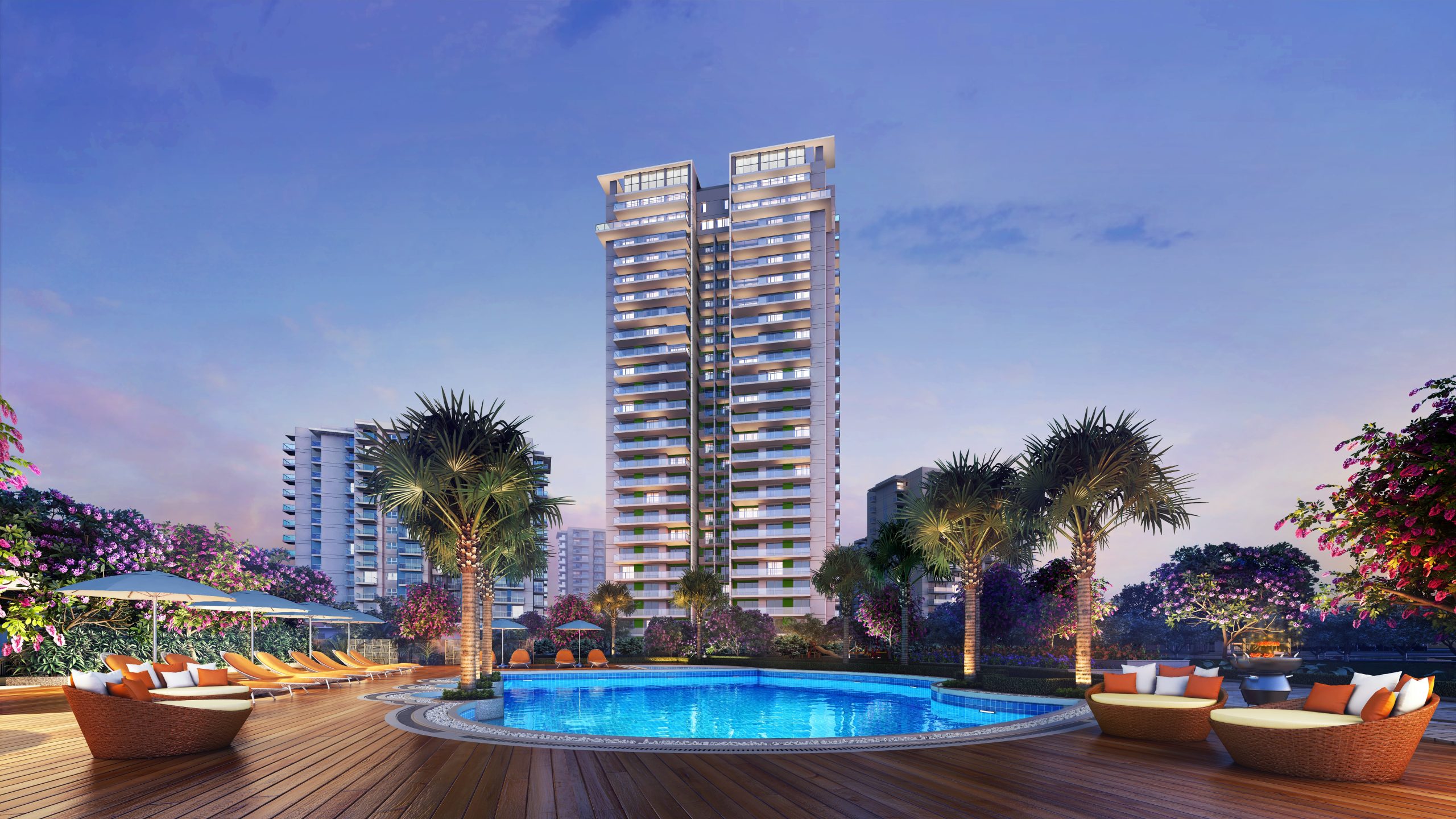
For decades, luxury real estate marketing followed a predictable script: glossy brochures featuring infinity pools, “ultra-premium” adjectives, and images of gold-plated fixtures. It was an era of spectacle. But in 2026, the high-end buyer has changed.
The modern billionaire isn’t looking for a trophy; they are looking for a trust-verified asset. We have moved from the era of “The Promise” to the era of “The Proof.”
1. The Death of the “Buzzword” Brochure
Discerning buyers today are immune to marketing fluff. Words like “exquisite” and “opulent” have lost their currency. Instead, the new standard of luxury is defined by data-backed transparency.
-
Environmental Proof: It’s no longer enough to claim a building is “green.” Buyers want to see the LEED Platinum certification, real-time energy consumption metrics, and the specific origin of the reclaimed marble in the foyer.
-
Structural Integrity: Following global shifts in climate and urban density, luxury is now defined by what you can’t see—HEPA-grade air filtration systems, acoustic engineering, and seismic-ready foundations.
2. Construction Transparency as a Marketing Tool
In the “Proof Era,” the most effective marketing isn’t the finished render; it’s the live construction feed.
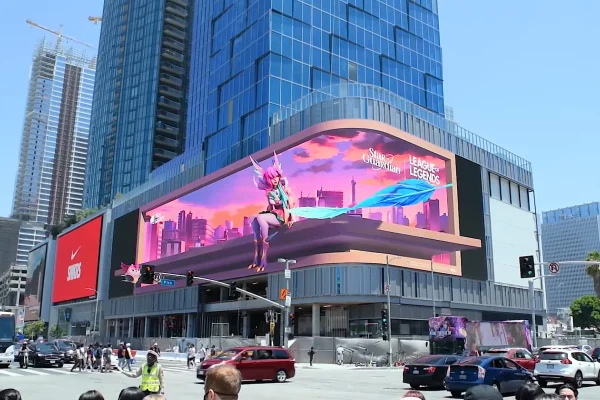
Developers are increasingly using Digital Out-of-Home (DOOH) displays at site perimeters and dedicated buyer portals to show real-time progress. High-net-worth individuals (HNWIs) value their time above all else. Providing a “receipt” of progress—showing that the project is on schedule and meeting technical milestones—builds more credibility than any celebrity endorsement ever could.
3. The Shift to “Quiet Luxury” and Authenticity
The aesthetic of luxury is shifting toward authenticity. Buyers are moving away from “brand-heavy” residences toward homes that reflect a sense of place and personal history.
-
Material Provenance: Knowing that a wooden floor was sourced from a sustainably managed forest in Scandinavia or that the stone was hand-carved by local artisans in Karnataka provides a narrative of authenticity that mass-produced luxury lacks.
-
Social Proof: In an age of digital isolation, luxury is also about belonging. Credibility today is found in the community—who are the neighbors, and does the development foster a genuine, verified social ecosystem?
The Indian Context: RERA and the Credibility Boom
In markets like India—specifically in the luxury hubs of Bengaluru, Mumbai, and the NCR—this shift is even more pronounced. The implementation of RERA was the first step toward “Proof,” but the market has evolved beyond mere legal compliance.
Today’s Indian luxury buyer is global. They compare a penthouse in Gurgaon to one in Dubai or London. For these buyers, credibility is the ultimate amenity. If a developer can prove their track record through transparent communication and high-spec delivery, they don’t just sell a flat; they secure a legacy.