Samsung OOH Advertising The Iconic Burj Khalifa Marketing Campaign Explained
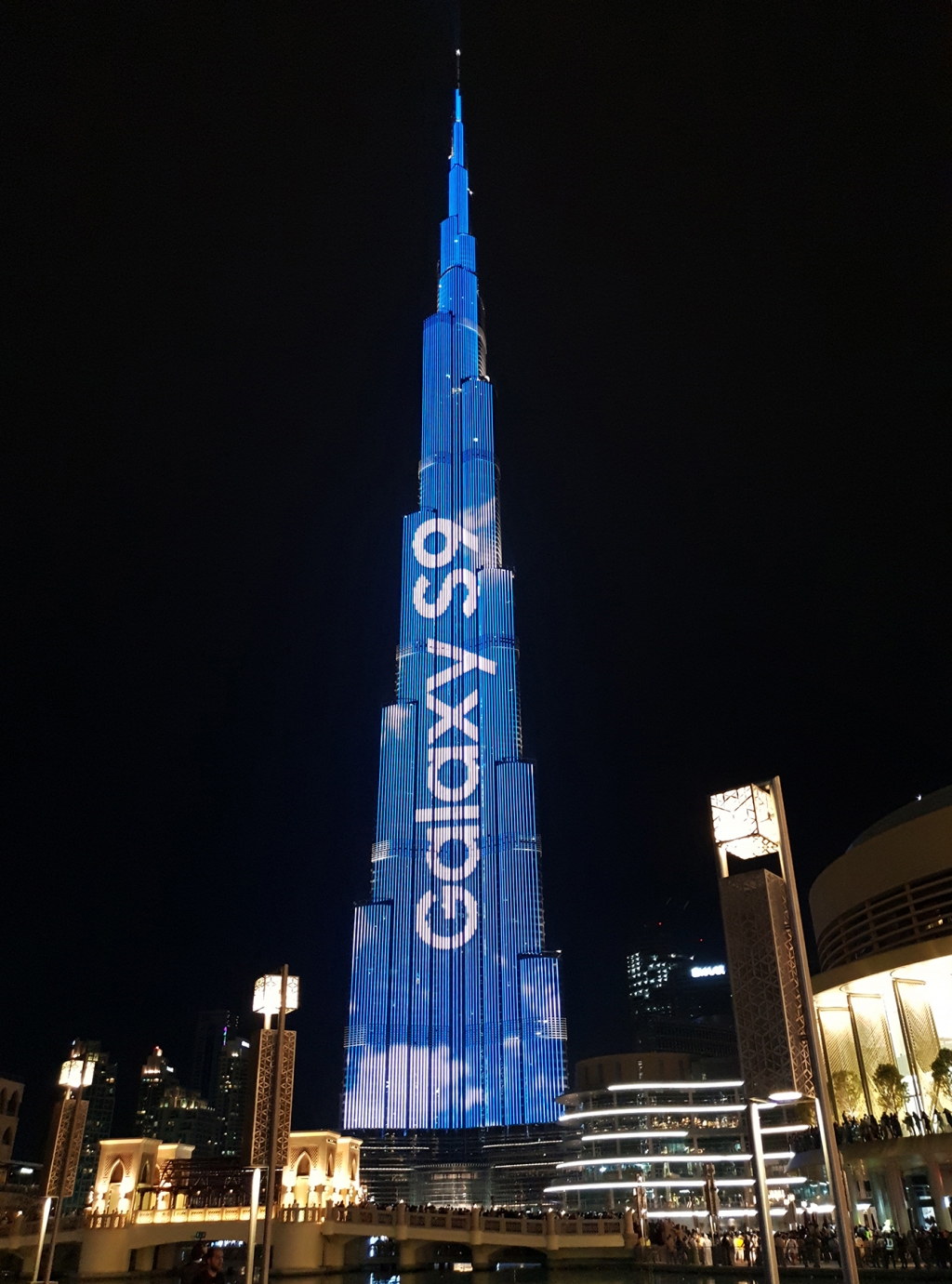
Samsung Electronics has once again turned the world’s tallest building into its personal billboard, pushing the boundaries of “Out of Home” (OOH) advertising with a high-octane takeover of the Burj Khalifa in Dubai. Timed to coincide with the global rollout of the Galaxy S26 Series, this 2026 activation proves that for Samsung, “innovation” isn’t just a spec sheet—it’s a multi-sensory spectacle.
The “Sky-High” Campaign: Samsung Redefines Global Marketing
As of late March 2026, the Burj Khalifa’s massive LED façade—the largest on the planet—has been transformed into a pulsing canvas for Samsung’s latest flagship features. This isn’t just a static ad; it’s a choreographed “Light Up” show that synchronizes with the city’s skyline to announce the arrival of Galaxy AI 2.0.
Key Highlights of the Showcase:
-
The World’s Largest Canvas: Utilizing the 828-meter tall structure to demonstrate the “Privacy Display” and “Nightography” features of the S26 Ultra.
-
Immersive Experience Zones: At the base of the tower (near the Dubai Fountain), Samsung established “Product Experience Zones,” where visitors could test the $3,300 Ultra model’s new agentic AI capabilities in real-time.
-
“Do What You Can’t” Philosophy: The campaign reinforces Samsung’s long-standing manifesto, focusing on how technology can bridge the gap between human imagination and reality.
2026 Innovation: What’s Being Showchecked?
While the LED show caught the eyes of millions, the technology on display at the ground-level booths is what has the tech world talking.
1. Privacy Display & Agentic AI
The Burj Khalifa showcase highlighted the World’s First Privacy Display. In a world where digital security is paramount, Samsung’s new screen technology prevents “shoulder surfing” by making the display appear pitch black to anyone looking at it from an off-angle.
2. The Nightography Evolution
The “Light Up” show was specifically designed to demonstrate Nightography 2.0. By illuminating the skyscraper in a dark sky, Samsung mirrored its own camera’s ability to capture vibrant colors and sharp details in low-light environments, a feature heavily marketed as a cornerstone of the S26 series.
3. Sikka Art & Design Partnership
In a unique 2026 twist, Samsung also integrated its partnership with the Sikka Art & Design Festival. The showcase featured digital artworks from regional Emirati artists, displayed on the Burj Khalifa using Samsung’s Vision AI, illustrating how tech acts as a canvas for cultural expression.
The Marketing Strategy: Why the Burj?
For Samsung, the Burj Khalifa isn’t just a landmark; it’s a symbol of overcoming the “impossible.” By taking over the tower, Samsung is doing three things:
-
Dominating the Conversation: In a saturated market, a Burj takeover guarantees global headlines and viral social media traction.
-
Validating Premium Pricing: With the S26 Ultra reaching new price ceilings, a high-luxury marketing engagement justifies the “Ultra” status.
-
Regional Strength: Dubai serves as a global hub for tech and luxury, making it the perfect launchpad for a device that positions itself as the “AI phone of the future.“
Conclusion: A New Standard for Engagement
Samsung’s 2026 Burj Khalifa activation is a masterclass in modern marketing. It moves beyond traditional banners and TV spots, opting instead for experience-led storytelling. As spectators watch the tower pulse with the colors of the new Galaxy, Samsung isn’t just selling a phone—they are selling a vision of a future where technology is as monumental as the buildings we build.