The Future of Indian Media: Why DOOH is Dominating the 2026 Ad Landscape
The Indian advertising landscape is currently witnessing a tectonic shift. While traditional billboards have long been a staple of the “Great Indian Road Trip,” they are rapidly being replaced by high-definition, data-driven, and hyper-targeted Digital Out-of-Home (DOOH) screens.
As we move through 2026, DOOH is no longer just a “premium add-on” for big-budget brands; it has become the backbone of urban storytelling. From the bustling terminals of Mumbai and Delhi airports to the high-tech corridors of Bengaluru and Hyderabad, DOOH is redefining how brands interact with the public.
Why DOOH is Exploding in the Indian Market
The growth of DOOH in India isn’t just about “brighter screens.” It is the result of a perfect storm involving infrastructure development, technological maturity, and a shift in consumer behavior.
1. The Infrastructure Catalyst
The rapid expansion of Metros, Smart City projects, and world-class airport terminals has provided the “real estate” for premium digital signage. Modern transit hubs are designed with digital-first advertising in mind, offering high-impact sites in check-in zones and arrival halls that command unparalleled dwell times.
2. The Rise of Programmatic DOOH (pDOOH)
In 2026, the biggest trend is the democratization of outdoor media through programmatic buying. Brands can now buy billboard space with the same ease as a Facebook ad.
-
Dynamic Triggers: Ads can now change based on real-time weather, traffic conditions, or even live cricket scores.
-
Efficiency: Automated bidding allows small and medium enterprises (SMEs) to access premium sites during specific hours, making outdoor advertising accessible to more than just the “Fortune 500.”
3. Anamorphic and 3D Visuals
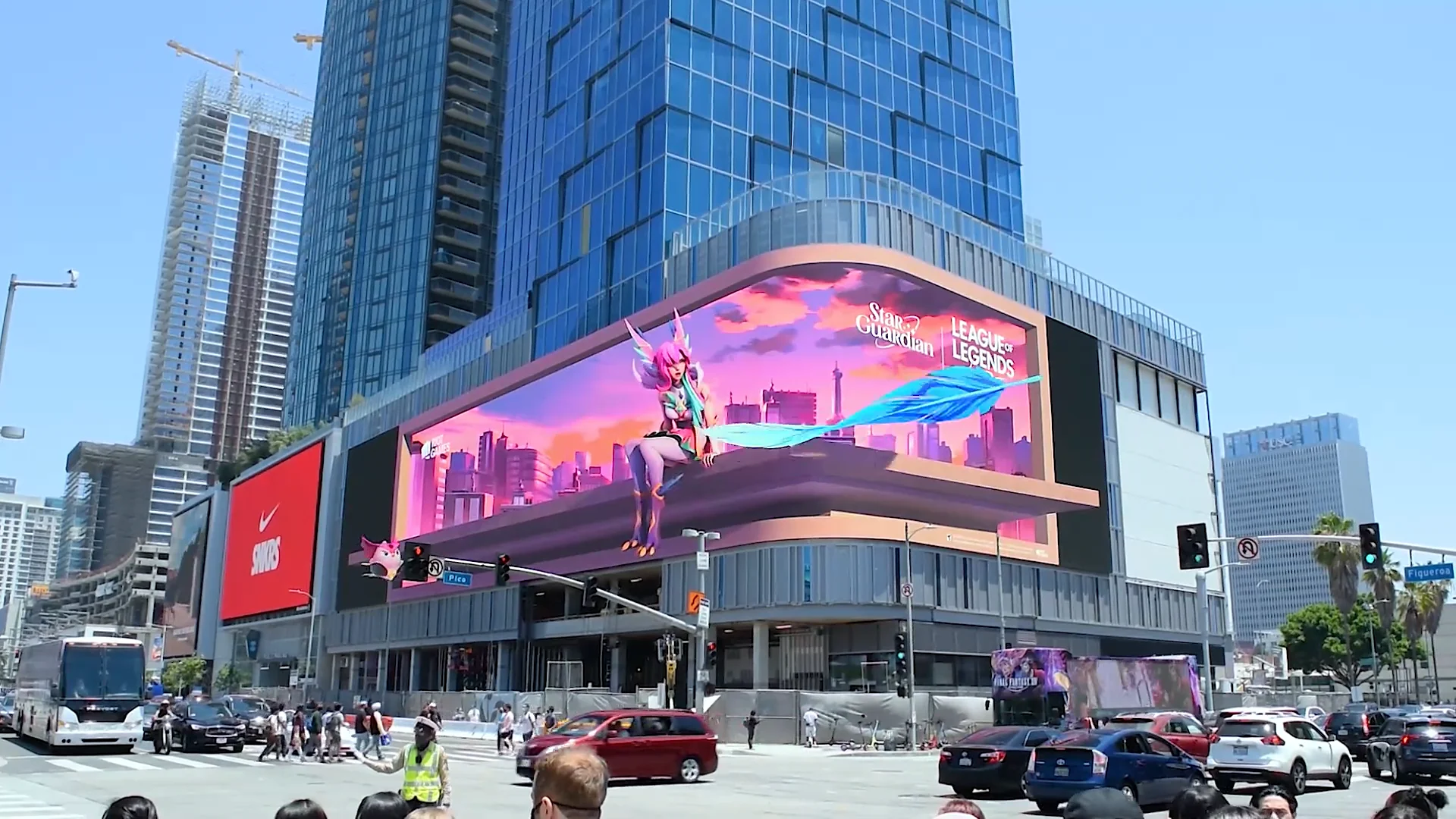
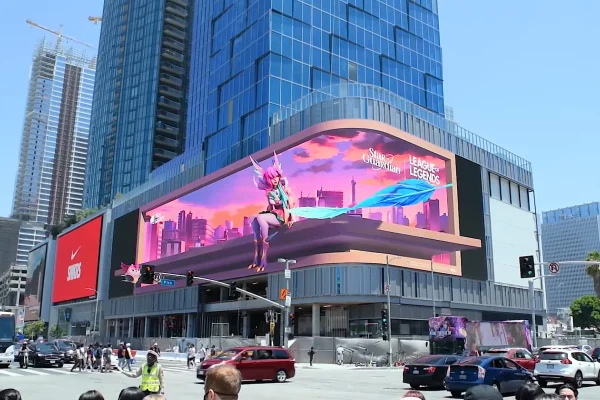
India has officially entered the era of anamorphic “forced perspective” displays. Iconic locations like DLF CyberHub and major intersections in Mumbai now feature screens where products seem to “pop out” of the frame. These spectacles drive massive organic reach as commuters film the ads and share them on social media—effectively turning a physical ad into a viral digital campaign.
Data & Analytics: Moving Beyond “Vanity Metrics”
Historically, outdoor advertising was plagued by a lack of measurable ROI. You knew people saw your board, but you didn’t know who they were. In 2026, AI-integrated vision sensors and mobile-location data have solved this puzzle.
-
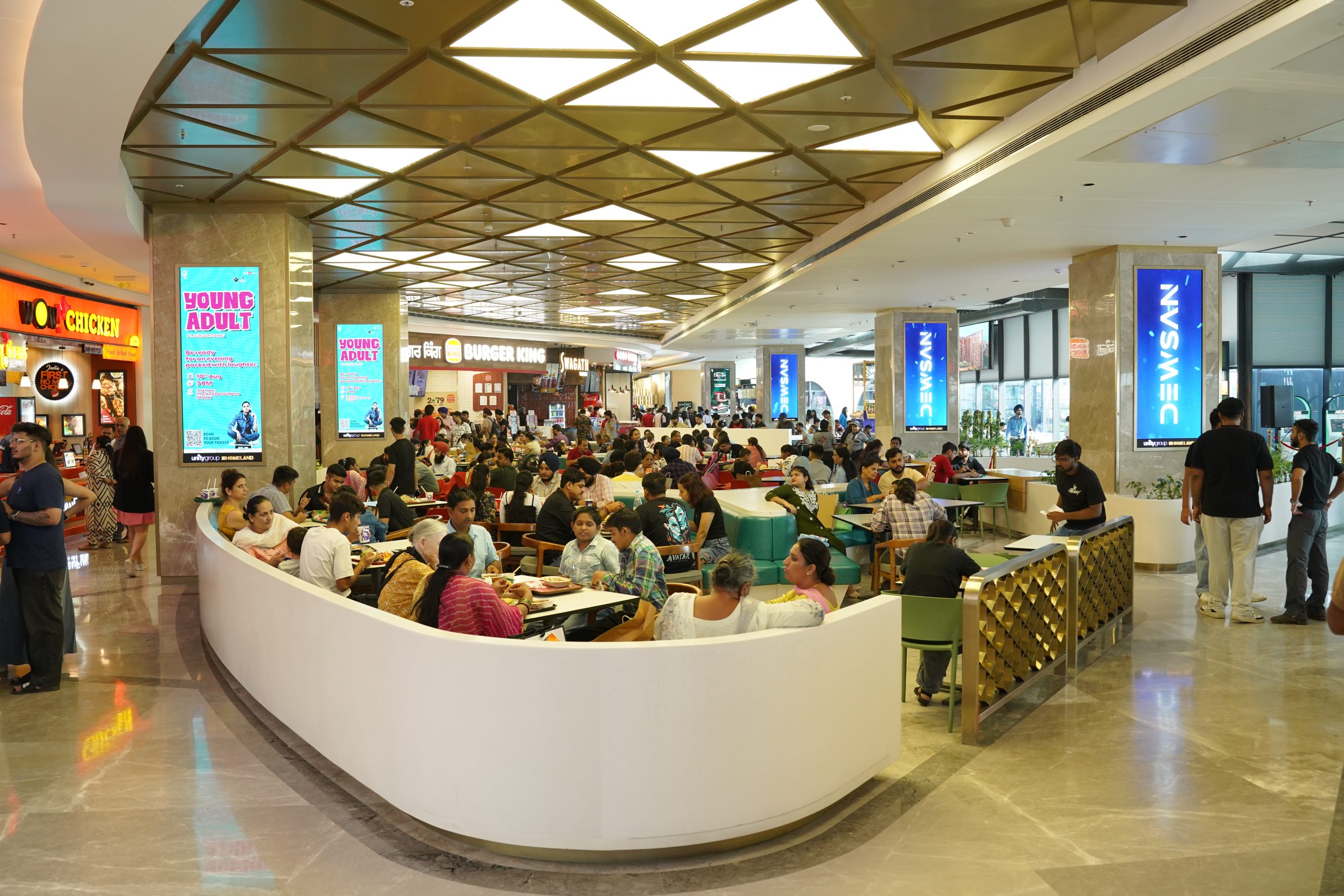
Audience Insights: Modern DOOH networks in India now provide data on footfall density, dwell time, and even the demographic skew of the crowd in real-time.
-
Retargeting: If a consumer spends 30 seconds looking at a DOOH screen in a mall, brands can now use geo-fencing to deliver a follow-up coupon to that person’s smartphone via programmatic mobile ads. This creates a seamless “O2O” (Offline-to-Online) journey.
The Regional Frontier: Karnataka and Punjab
While Mumbai and Delhi lead in volume, regional markets are showing the most sophisticated growth.
-
Karnataka: Bengaluru remains the innovation hub. Recent regulatory updates—such as the Karnataka Municipalities and Certain Other Laws (Amendment) Bill—are helping formalize the industry, providing clearer frameworks for digital media operators to expand while contributing to urban aesthetics.
-
Punjab: High-impact outdoor marketing in Punjab is leveraging the state’s massive transit economy. Large-format digital screens along highways and near major retail hubs are becoming the go-to for luxury, automotive, and travel sectors looking to tap into high-net-worth rural and urban audiences.
Challenges on the Horizon
Despite the momentum, the Indian DOOH sector faces hurdles that brands must navigate:
-
Fragmentation: The industry is still split between dozens of local vendors, making “one-click” national buys difficult (though pDOOH platforms are bridging this gap).
-
Power & Connectivity: Maintaining high-uptime for premium 4K screens in diverse climatic conditions requires significant investment in hardware and green energy solutions.
-
Regulatory Hurdles: Each state has its own bylaws regarding brightness levels, animation speeds, and public safety, requiring a localized approach to creative content.
Conclusion: The DOOH Strategy for 2026
To succeed in India’s DOOH space today, brands must move away from “looping” a TV commercial on a billboard. Success requires contextual creativity.
Whether it is a luxury fragrance brand launching at Changi-style airport galleries or a local fintech startup using pDOOH to target morning commuters, the goal is the same: to be a part of the consumer’s environment, not an interruption to it.
The future of advertising in India is bright, digital, and—most importantly—unskippable.