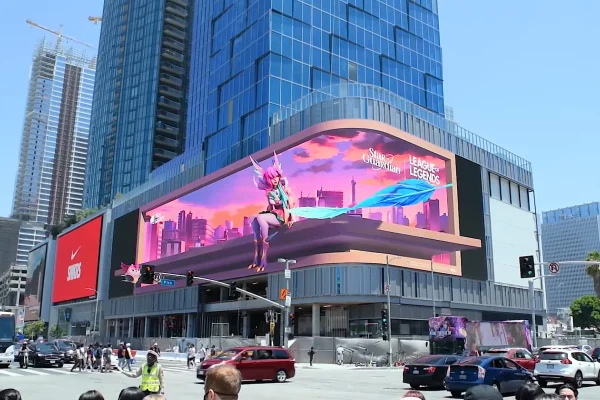

How to Incorporate OOH Advertising Into a Digital Campaign Successfully
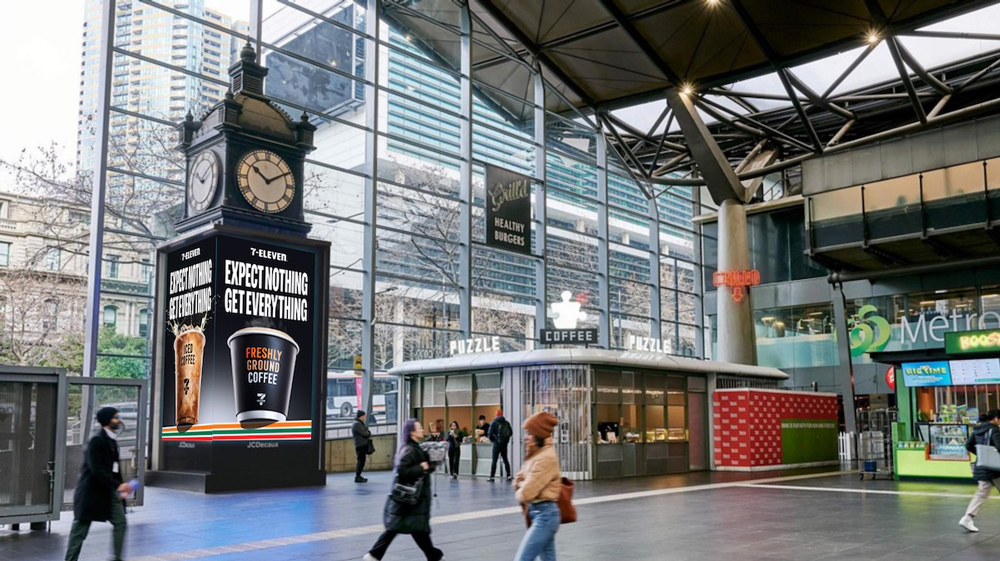
In today’s marketing landscape, brands are no longer choosing between digital advertising and Out-of-Home (OOH) media. The smartest campaigns are blending both worlds together. From digital billboards and transit ads to mobile retargeting and social amplification, OOH advertising has evolved into a powerful extension of digital marketing campaigns. As consumer attention becomes harder to capture online alone, marketers are rediscovering the impact of real-world visibility. A strategically placed billboard, interactive DOOH screen, or transit campaign can create the kind of emotional and visual connection that digital ads often struggle to achieve on their own.
The real magic happens when OOH becomes part of a larger digital ecosystem.
Why OOH Advertising Still Matters in the Digital Era
People spend hours online every day, but they also spend a large portion of their lives outside their homes—commuting, shopping, traveling, attending events, and exploring cities. OOH advertising meets consumers in those moments when they are highly alert and engaged with their surroundings. Unlike online ads that can be skipped or blocked, OOH ads are unavoidable, highly visible, and often memorable. Digital screens in malls, airports, highways, metro stations, and city centers now allow brands to run dynamic and data-driven campaigns in real time. This is why brands across industries—from retail and automotive to entertainment and technology—are integrating OOH into broader digital strategies.
Start With a Unified Campaign Goal
One of the biggest mistakes brands make is treating OOH as a standalone branding activity. Modern campaigns work best when every channel supports the same objective.
Before launching your campaign, define your core goal:
- Brand awareness
- Website traffic
- App downloads
- Product launch visibility
- Event promotion
- Lead generation
- Social engagement
- Retail footfall
Your OOH messaging, creative design, QR codes, landing pages, social ads, and search campaigns should all support the same customer journey. For example, if your objective is app installs, your billboard should encourage immediate action with a QR code or short URL, while your digital ads continue retargeting users who interacted with the campaign.
Combine OOH With Mobile Advertising
One of the most effective ways to integrate OOH into digital campaigns is through mobile retargeting.
When users pass through areas where your OOH ads are displayed, brands can later serve them relevant mobile ads through geofencing and location-based marketing technologies.
This creates a multi-touchpoint experience:
- Consumer sees the billboard
- Consumer later receives a mobile or social media ad
- Consumer visits the website or downloads the app
- Brand tracks engagement and conversions
This strategy significantly improves brand recall because consumers feel familiar with the brand before they even click the digital ad.
Use QR Codes for Instant Engagement
QR codes have made a major comeback, especially after smartphone adoption accelerated contactless experiences.
Adding a QR code to OOH creatives bridges the gap between offline visibility and digital action.
Consumers can instantly:
- Visit your website
- Claim offers
- Watch product demos
- Download apps
- Access event registrations
- Follow social media pages
- Participate in contests
The key is keeping the destination mobile-friendly and simple. Long loading times or confusing landing pages reduce conversion rates quickly.
Synchronize OOH With Social Media Campaigns
Some of the most viral campaigns today start outdoors and explode online. When people encounter creative or interactive OOH ads, they naturally photograph and share them on platforms like Instagram, TikTok, LinkedIn, and X. Brands can encourage this behavior by:
- Creating visually striking installations
- Using branded hashtags
- Launching user-generated content challenges
- Featuring live social feeds on DOOH screens
- Running influencer collaborations tied to OOH activations
A single creative billboard can generate millions of digital impressions when amplified through social sharing.
Use Programmatic DOOH for Real-Time Campaign Optimization
Programmatic Digital Out-of-Home (DOOH) has transformed how advertisers buy and manage outdoor media.
Instead of booking static placements for weeks, brands can now purchase ad inventory dynamically based on:
- Weather conditions
- Audience demographics
- Traffic patterns
- Time of day
- Live events
- Location data
For example:
- A coffee brand can display ads during cold mornings
- Food delivery apps can run ads during lunch hours
- Retail brands can promote flash sales near shopping districts
This level of automation makes OOH behave more like digital advertising while maintaining its massive visual impact.
Create Consistent Creative Across All Channels
Consumers should instantly recognize your campaign whether they see it on a billboard, YouTube ad, Instagram Reel, or Google Display banner.
Consistency builds trust and improves campaign recall.
Your campaign should maintain:
- Similar color palette
- Consistent messaging
- Unified CTA
- Same typography style
- Recognizable brand identity
However, creatives should still be optimized for each platform. Billboard messaging needs to be short and bold, while digital ads can provide deeper storytelling.
Measure OOH Performance With Digital Metrics
Modern OOH campaigns are far more measurable than traditional advertising.
Brands can now track campaign effectiveness using:
- QR code scans
- Website traffic spikes
- Geo-lift analysis
- Mobile device exposure data
- App installs
- Store visits
- Social mentions
- Search volume increases
When combined with analytics platforms, marketers gain a clearer understanding of how outdoor exposure contributes to digital conversions. This data-driven approach is helping OOH regain popularity among performance-focused marketers.
Integrate OOH Into Event and Experiential Marketing
OOH works exceptionally well for live events, product launches, concerts, sports sponsorships, and experiential campaigns.
Brands can dominate key locations around venues using:
- Transit advertising
- Digital billboards
- Interactive kiosks
- Projection mapping
- Street activations
At the same time, digital campaigns can support these efforts through:
- Live streaming
- Influencer content
- Real-time social updates
- Paid social amplification
- Event hashtags
This creates a seamless online-to-offline experience for audiences.
The Future of OOH and Digital Integration
The future of advertising is not offline versus online—it is integrated media experiences. Artificial intelligence, data analytics, programmatic technology, and smart city infrastructure are making OOH more targeted, interactive, and measurable than ever before. Brands that successfully combine physical visibility with digital engagement will build stronger customer connections in an increasingly crowded media environment. Consumers may forget another display ad in their feed, but a powerful billboard combined with a smart digital strategy can leave a lasting impression.
Final Thoughts
Incorporating OOH advertising into a digital campaign is no longer just a branding exercise. It is a strategic way to amplify visibility, improve recall, and drive measurable digital engagement. The strongest campaigns today connect the physical and digital worlds seamlessly. Whether through QR codes, mobile retargeting, programmatic DOOH, or social amplification, OOH advertising has become an essential part of modern omnichannel marketing. For brands looking to stand out in 2026 and beyond, integrating OOH with digital marketing is not optional—it is becoming a competitive advantage.